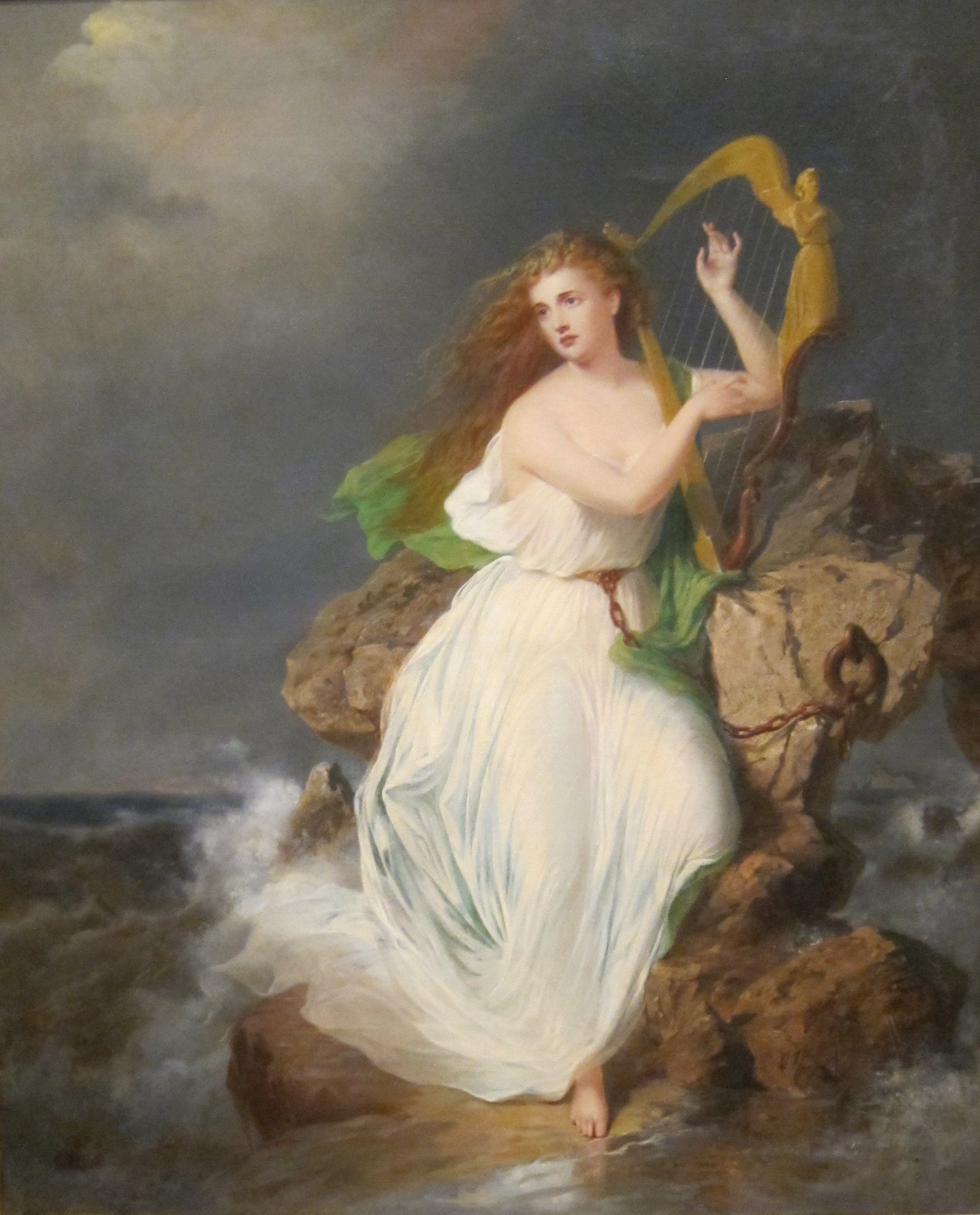
Ériu, often referred to as one of the most important figures in Irish mythology, is a goddess associated with the land of Ireland itself. Her name is the origin of the modern name for Ireland, “Éire.” Ériu is celebrated not only for her divine nature but also for her connection to the earth and its people. She represents the spirit of the land and its rich history. The tales surrounding Ériu reflect the deep cultural roots and beliefs of the ancient Irish, showcasing her significance in the pantheon of Irish deities. In this article, we will explore the various aspects of Ériu, including her origins, her role in mythology, and her enduring legacy in Irish culture.
Origins of Ériu
The origins of Ériu can be traced back to the ancient Tuatha Dé Danann, a mythical race of beings in Irish mythology who were believed to be the gods and goddesses of Ireland. Ériu is often depicted as one of the three primary goddesses of this race, alongside her sisters, Banba and Fódla. Together, they are known as the “three queens of Ireland.” Each sister is associated with a different aspect of the land, but Ériu is primarily recognized for her role as the personification of the island itself.
 Étaín
ÉtaínÉriu’s name is thought to derive from the Old Irish word “Éri,” which means “to be” or “to exist.” This etymology highlights her fundamental connection to the very essence of Ireland. In many ancient texts, Ériu is portrayed as a wise and powerful figure, deeply connected to the natural world. She is often described as a guardian of the land, watching over its people and ensuring their prosperity. The stories surrounding her origin emphasize her role as a protector and nurturer of the Irish landscape.
Ériu in Irish Mythology
In the context of Irish mythology, Ériu plays a significant role in various tales and legends. One of the most notable stories involves the arrival of the Milesians, a group of people who sought to conquer Ireland. According to the myth, the Milesians were met by Ériu and her sisters, who represented the spirit of the land. The sisters were determined to defend their home against the invaders. Ériu, in particular, was known for her fierce determination and strength, qualities that made her a formidable opponent.
During the encounter, Ériu challenged the Milesians to prove their worthiness to claim the land. In a series of trials, the Milesians demonstrated their bravery and skill, ultimately earning Ériu’s respect. Impressed by their courage, Ériu agreed to share the land with them. In a gesture of goodwill, she asked that the island be named after her, which is why Ireland is called Éire to this day. This story not only highlights Ériu’s significance but also reflects the themes of struggle and cooperation that are prevalent in Irish mythology.
 Dubthach Dóeltenga
Symbolism of Ériu
Ériu is rich in symbolism, representing various aspects of the Irish landscape and culture. One of her most prominent symbols is the green hills of Ireland, which embody her connection to the earth. The lush greenery of the land is often seen as a reflection of her nurturing spirit. In addition to the hills, Ériu is also associated with rivers, lakes, and other natural bodies of water, further emphasizing her role as a guardian of the environment.
Moreover, Ériu symbolizes fertility and abundance, qualities that were vital to the ancient Irish people. Agriculture played a crucial role in their survival, and Ériu’s presence in their myths served as a reminder of the importance of respecting the land. Her connection to fertility is also linked to the changing seasons, as she is believed to influence the cycles of nature. This connection reinforces the idea that Ériu is not just a distant goddess, but an integral part of the everyday lives of the Irish people.
Ériu’s Legacy in Irish Culture
Ériu’s influence extends far beyond ancient myths and legends. Her legacy can be seen in various aspects of modern Irish culture, including literature, art, and music. Many contemporary artists draw inspiration from Ériu, creating works that celebrate her spirit and connection to the land. The imagery of Ériu often appears in paintings, sculptures, and other artistic expressions that seek to capture the beauty and essence of Ireland.
 Dubh Lacha
In literature, Ériu is frequently referenced in poems and stories that explore themes of identity and belonging. Writers use her character to evoke a sense of pride in Irish heritage, reminding readers of the deep historical roots that connect them to the land. Her presence in modern storytelling serves as a bridge between the past and the present, allowing new generations to engage with the rich tapestry of Irish mythology.
Ériu in Modern Spirituality
In recent years, there has been a resurgence of interest in pagan spirituality and the ancient practices of the Celts. Ériu has become a prominent figure in this movement, representing the connection between spirituality and nature. Many modern practitioners seek to honor Ériu by celebrating the cycles of the earth and the changing seasons. Rituals and ceremonies are often dedicated to her, emphasizing the importance of gratitude for the land and its resources.
In addition to rituals, many people find inspiration in Ériu’s stories and teachings. Her emphasis on the interconnectedness of all living beings resonates with those who strive for a more sustainable and harmonious way of life. By looking to Ériu as a source of wisdom, individuals can cultivate a deeper appreciation for the environment and their place within it. This modern interpretation of Ériu showcases her enduring relevance and the timeless lessons she imparts.
Ériu and the Otherworld
In Irish mythology, the concept of the Otherworld is a significant theme. Ériu is often associated with this mystical realm, which is believed to be a place of beauty and abundance, existing parallel to the mortal world. The Otherworld is populated by various supernatural beings, including the Tuatha Dé Danann, and serves as a space where the boundaries between life and death are blurred. Ériu’s connection to the Otherworld highlights her role as a bridge between the physical and spiritual realms.
In many stories, Ériu is depicted as a guide for souls transitioning between the worlds. Her presence in the Otherworld emphasizes her nurturing nature, as she provides comfort and support to those who have passed on. This aspect of Ériu’s character underscores the belief that death is not an end but a continuation of existence in a different form. By viewing Ériu as a protector of both the land and the souls of the departed, we can appreciate the depth of her significance in Irish mythology.
Ériu in Festivals and Celebrations
Ériu’s influence is also felt in various Irish festivals and celebrations, many of which honor the changing seasons and the cycles of nature. One of the most notable festivals is Lughnasadh, which marks the beginning of the harvest season. During this time, communities come together to celebrate the bounty of the land and express gratitude for the blessings they have received. Ériu is often invoked during these festivities, as people recognize her role in nurturing the earth and providing for its inhabitants.
Another significant celebration is Imbolc, which occurs in early February and marks the halfway point between winter and spring. This festival is dedicated to the goddess Brigid but also honors Ériu as a symbol of renewal and rebirth. Rituals during Imbolc often include lighting candles and making offerings to the earth, reflecting the hope for a fruitful growing season. Ériu’s presence in these celebrations highlights the interconnectedness of the land, the seasons, and the divine.
Ériu in Folklore and Oral Traditions
Folklore plays a crucial role in preserving the stories and teachings of Ériu. Many tales were passed down orally through generations, with storytellers sharing her legends in local communities. These stories often served as a means of educating younger generations about their cultural heritage and the values associated with Ériu. The oral tradition allowed for a dynamic exchange of ideas and interpretations, ensuring that Ériu remained a vibrant figure in the collective consciousness of the Irish people.
In addition to storytelling, songs and chants dedicated to Ériu have also been an essential part of Irish folklore. These musical expressions often celebrate her beauty, strength, and connection to the land. As with the stories, songs serve to reinforce the cultural significance of Ériu and keep her memory alive in the hearts of the people. The blending of music and mythology creates a rich tapestry of cultural expression that continues to resonate in contemporary Irish society.
The Modern Interpretation of Ériu
In today’s world, Ériu is often interpreted through various lenses, including feminist perspectives and environmentalism. Many contemporary thinkers view her as a symbol of female empowerment, representing the strength and resilience of women throughout history. Ériu’s character serves as a reminder of the vital role women have played in shaping the cultural and spiritual landscape of Ireland. This modern interpretation invites discussions about gender roles and the importance of recognizing women’s contributions to society.
Furthermore, Ériu’s connection to the earth aligns with the growing movement towards environmental awareness and sustainability. In an era marked by ecological challenges, Ériu’s legacy encourages individuals to foster a deeper relationship with the natural world. Her teachings inspire a commitment to protecting the environment and promoting practices that honor the earth. This modern interpretation of Ériu not only revitalizes interest in Irish mythology but also emphasizes the importance of caring for our planet.
Ériu in Popular Culture
Ériu’s influence has also made its way into popular culture, appearing in various forms of media such as books, films, and video games. Many authors draw upon her rich mythology to create compelling narratives that resonate with audiences. Her character often embodies themes of strength, connection to nature, and the importance of heritage. This resurgence of interest in Ériu reflects a broader fascination with mythology and the enduring power of ancient stories.
In the realm of film and television, Ériu’s character has been adapted into various stories that explore the complexities of her identity and her role in Irish culture. These adaptations often aim to present Ériu as a relatable figure, bridging the gap between ancient myths and contemporary experiences. By reimagining her in modern contexts, creators continue to keep her spirit alive and relevant for new generations.
Ériu and Nature Conservation
As the world grapples with pressing environmental issues, Ériu’s legacy has become a source of inspiration for nature conservation efforts. Many organizations and initiatives draw upon her teachings to promote sustainable practices and a deeper respect for the earth. By honoring Ériu, individuals and communities are reminded of their responsibility to protect the land and its resources for future generations.
Ériu’s emphasis on the interconnectedness of all living beings encourages a holistic approach to conservation. This perspective recognizes that the health of the environment is intricately tied to the well-being of communities. By fostering a sense of stewardship for the land, people can work towards creating a more sustainable and equitable future. Ériu’s teachings serve as a guiding force in these efforts, reminding us of the importance of nurturing our relationship with the earth.
Ériu, as a central figure in Irish mythology, continues to inspire and resonate with people today. Her legacy is woven into the fabric of Irish culture, serving as a reminder of the deep connection between the land, its people, and the divine. Through her stories, symbolism, and modern interpretations, Ériu remains a powerful and relevant figure, encouraging us to honor the earth and embrace our cultural heritage.