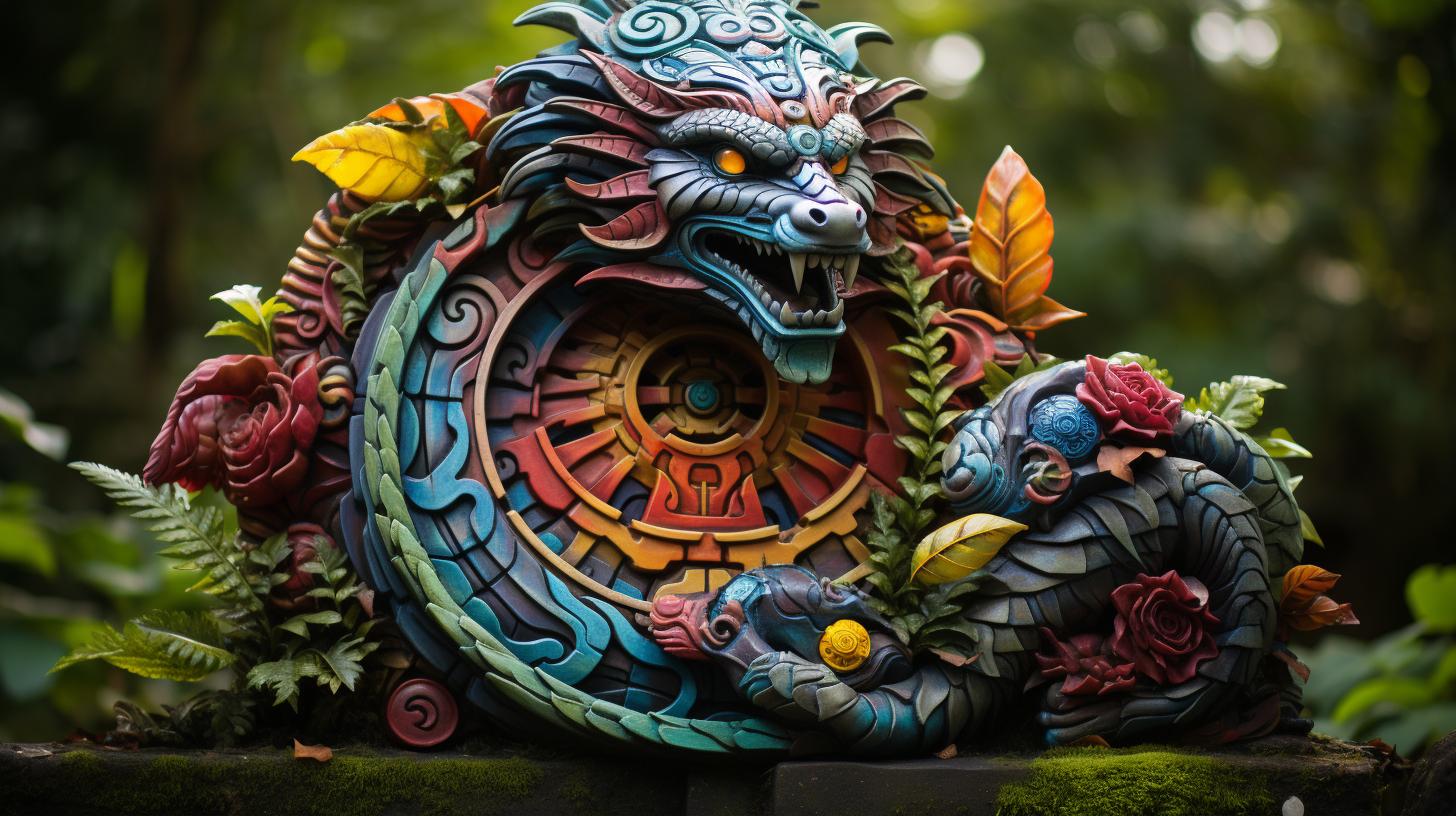
Chiccan is a significant figure in Maya mythology, representing the serpent and its powerful symbolism in the ancient culture. The Maya civilization, known for its rich traditions and beliefs, revered various deities and mythological figures, each embodying different aspects of life, nature, and the cosmos. Chiccan, as a serpent god, is often associated with fertility, agriculture, and the underworld. His presence in the mythology illustrates the deep connection the Maya had with the natural world and their understanding of life cycles.
The Symbolism of Chiccan
In Maya culture, serpents are complex symbols that can represent both life and death. Chiccan embodies this duality, serving as a reminder of the cycles of nature. Serpents, including Chiccan, were often associated with the rain and crops, as they were believed to bring fertility to the land. The ability of serpents to shed their skin also symbolizes renewal and transformation, which are key themes in Maya spirituality. The importance of agriculture in Maya society cannot be overstated, and Chiccan’s role in ensuring a bountiful harvest was vital for the survival of their communities.
Chiccan is also linked to the underworld, a place of mystery and fear in Maya beliefs. The underworld was seen as a realm where souls journeyed after death, and serpents were believed to be guides in this transition. This connection adds another layer to Chiccan’s character, as he not only brings life through fertility but also plays a role in the afterlife. The serpent’s ability to navigate both land and water further emphasizes its significance in the Maya worldview, representing the connection between the earthly realm and the spiritual.
Chiccan in Maya Cosmology
Maya cosmology is a rich tapestry of beliefs about the universe, creation, and the deities that inhabit it. Chiccan holds a unique place in this cosmology, often depicted in various forms in Maya art and iconography. He is frequently illustrated as a feathered serpent, showcasing the blending of earthly and celestial elements. This imagery signifies the connection between the sky and the earth, as well as the dual nature of existence.
 Chacmool
According to the Maya creation myth, the world was formed from the chaos of the underworld, with Chiccan playing a pivotal role in this process. His serpentine form represents the flow of energy and life that permeates the universe. The feathers associated with him symbolize the sky and the divine, further enhancing his status as a powerful deity. In many depictions, Chiccan is shown entwined with other gods, highlighting the interconnectedness of all beings in the Maya belief system.
Chiccan and Agriculture
Agriculture was the backbone of Maya civilization, and Chiccan was revered as a deity who ensured the success of their crops. The Maya relied heavily on the cultivation of maize, beans, and squash, which were known as the “three sisters.” These crops were not only vital for sustenance but also held deep cultural significance. Chiccan’s association with fertility made him a central figure in agricultural rituals and ceremonies, where the Maya would seek his blessings for a fruitful harvest.
Rituals dedicated to Chiccan often involved offerings of food, flowers, and incense. These offerings were made to invoke his favor and ensure that the crops would thrive. The Maya believed that by honoring Chiccan, they could maintain harmony with nature and secure the well-being of their community. Festivals celebrating the agricultural cycle were also common, with vibrant displays of music, dance, and food that honored Chiccan and the earth’s bounty.
 Chac Xib Chac
Chiccan in Rituals and Ceremonies
The significance of Chiccan in Maya rituals cannot be understated. He was often invoked during planting and harvesting seasons, where the community would gather to perform sacred ceremonies. These rituals were essential for expressing gratitude and seeking guidance from the serpent god. The Maya understood the delicate balance of nature and believed that their actions could influence the success of their crops.
- Planting Rituals: These ceremonies often involved offerings to Chiccan before the sowing of seeds. The Maya would perform specific chants and dances to honor the deity, asking for his assistance in ensuring the growth of the plants.
- Harvest Festivals: Celebrations were held at the end of the harvest season, where the community would come together to give thanks to Chiccan. These festivals included feasting, music, and storytelling, reinforcing the cultural importance of agriculture.
- Seasonal Ceremonies: Throughout the year, the Maya held various ceremonies that acknowledged the changing seasons and their impact on agriculture. Chiccan was often at the center of these events, symbolizing the cyclical nature of life.
The rituals associated with Chiccan not only reinforced the agricultural practices of the Maya but also strengthened community bonds. These gatherings served as a reminder of the interconnectedness of all living beings and the importance of respecting the natural world.
Chiccan in Mythological Stories
Mythological stories about Chiccan are rich with symbolism and teach important lessons about life, death, and the balance of nature. One common theme is the journey of the soul, where Chiccan is depicted as a guide for the deceased. These stories often illustrate the challenges faced in the underworld and the importance of navigating this realm with the help of the serpent god.
In some narratives, Chiccan is portrayed as a trickster figure, using his cunning to overcome obstacles and challenges. This aspect of his character emphasizes the idea that wisdom and adaptability are crucial for survival. The stories often highlight the relationship between humans and the gods, reminding the Maya of their responsibilities to honor and respect the deities.
Key Myths Involving Chiccan
Several key myths featuring Chiccan illustrate his importance in Maya mythology. These stories often serve as moral lessons or cautionary tales, reflecting the values of the Maya civilization.
- The Tale of the Two Brothers: In this myth, Chiccan aids two brothers on their journey through the underworld. He teaches them how to navigate the treacherous landscape and face the challenges that arise. This story emphasizes the importance of wisdom and the need for guidance in difficult times.
- The Birth of Maize: Another popular story involves Chiccan’s role in the creation of maize. According to the myth, he sacrifices himself to provide sustenance for humanity, showcasing the theme of selflessness and the connection between life and death.
- The Dance of Renewal: This myth tells of a ceremonial dance that honors Chiccan, symbolizing the cyclical nature of life. The dance is performed during the changing seasons, reinforcing the idea that the balance of nature must be respected and celebrated.
These myths not only entertain but also serve as a means of preserving the cultural identity of the Maya. Through storytelling, the values and beliefs associated with Chiccan are passed down through generations, ensuring that his legacy endures.
Chiccan in Modern Culture
Despite the decline of the Maya civilization, the influence of Chiccan and other mythological figures continues to resonate in modern culture. Many descendants of the Maya still honor their ancestral traditions, incorporating elements of their mythology into contemporary practices. This cultural revival showcases the enduring significance of Chiccan and the rich heritage of the Maya people.
In recent years, there has been a growing interest in Maya mythology among scholars and enthusiasts. This resurgence has led to a renewed appreciation for the stories and symbols associated with Chiccan. Art, literature, and even popular media often draw inspiration from these ancient tales, highlighting the relevance of Maya mythology in today’s world.
Chiccan in Art and Literature
The artistic representations of Chiccan are abundant in Maya art. From intricate carvings on temples to vibrant murals, the serpent god is depicted in various forms that reflect his significance in the culture. Artists often use symbols associated with Chiccan, such as feathers and maize, to convey deeper meanings in their work.
- Murals: Many ancient murals depict Chiccan in ceremonial contexts, showcasing his role in rituals and the agricultural cycle. These artworks provide valuable insights into the beliefs and practices of the Maya.
- Pottery: Ceramics often feature images of Chiccan, illustrating the serpent’s importance in daily life and spirituality. These pieces serve as both functional objects and artistic expressions of cultural identity.
- Contemporary Art: Modern artists continue to draw inspiration from Chiccan, creating works that reinterpret his symbolism for contemporary audiences. This fusion of ancient and modern reflects the ongoing relevance of Maya mythology.
Literature also plays a crucial role in preserving the stories of Chiccan. Authors often explore themes of nature, spirituality, and identity through narratives that incorporate elements of Maya mythology. By weaving these stories into their work, they contribute to the broader understanding of Maya culture and its enduring legacy.
Chiccan is a powerful figure in Maya mythology, representing the intricate connections between life, death, and the natural world. His symbolism as a serpent god emphasizes the importance of agriculture, fertility, and the afterlife in Maya beliefs. Through rituals, stories, and artistic representations, Chiccan’s legacy continues to inspire and resonate within modern culture, ensuring that the rich heritage of the Maya civilization endures for future generations.