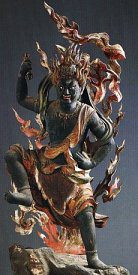
In the realm of Buddhist mythology, the concept of Gongen holds significant importance, particularly within the context of Japanese Buddhism. Gongen refers to the manifestation of Buddhist deities in various forms, often integrating local kami (spirits or gods) from Shinto beliefs. This unique blend of Buddhist and Shinto elements illustrates the syncretic nature of religious practices in Japan. Gongen serves as a bridge between these two faiths, allowing followers to venerate deities that embody both Buddhist and indigenous qualities. Understanding Gongen requires exploring its origins, its role in Japanese spirituality, and its impact on religious practices.
Origins of Gongen
The term Gongen is derived from the Japanese word for “manifestation” or “incarnation.” It signifies the process by which a Buddhist deity takes on a physical form to interact with the world. This concept emerged during the Heian period (794-1185) when Buddhism was becoming more integrated into Japanese culture. The adaptation of local kami into the Buddhist pantheon was a crucial step in this process. The result was a rich tapestry of beliefs that catered to the spiritual needs of the people, allowing them to connect with deities they already revered.
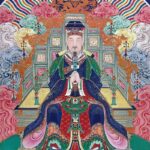 Gong De Tian
One of the most notable examples of Gongen is the deity Fudo Myoo, who is often depicted as a fierce protector. Fudo Myoo is a manifestation of the historical Buddha, Shakyamuni, and is revered for his ability to ward off evil and guide practitioners on their spiritual journeys. This blending of deities not only reflects the adaptability of Buddhism but also highlights the importance of local beliefs in shaping religious practices. Gongen serves as a reminder of the fluidity of spirituality, where different traditions can coexist and enrich one another.
The Role of Gongen in Japanese Buddhism
Gongen plays a crucial role in the religious landscape of Japan. It allows practitioners to experience the divine in a more personal and relatable way. By worshiping Gongen, individuals can connect with the deities that resonate with their lives and cultural backgrounds. This personal connection is essential in fostering a sense of belonging and community among practitioners. Temples dedicated to Gongen often become places of pilgrimage, where devotees seek blessings and guidance.
In many cases, Gongen is associated with specific locations or natural features. For example, a mountain may be regarded as the home of a particular Gongen, attracting worshippers who believe in the protective and healing powers of the deity. This geographical association not only enhances the spiritual significance of these sites but also promotes a deeper appreciation for nature. The worship of Gongen encourages individuals to find sacredness in their surroundings, fostering a harmonious relationship between humanity and the environment.
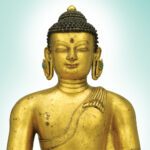 Gautama
Common Gongen Deities
- Fudo Myoo: The immovable one, known for his fierce nature and protective qualities.
- Kannon: The bodhisattva of compassion, often manifested as a nurturing figure.
- Jizo: The protector of travelers and children, revered for his benevolence.
- Amida Buddha: The embodiment of infinite light and life, often associated with salvation.
Each of these deities exemplifies the characteristics of Gongen, embodying both Buddhist teachings and local spiritual beliefs. For instance, Kannon, often depicted as a gentle and compassionate figure, resonates with the maternal instincts of many worshippers. This duality of purpose not only deepens the spiritual experience but also reflects the diverse needs of the community. The presence of these deities in various forms allows practitioners to approach their spirituality from different angles, catering to their personal beliefs and experiences.
Gongen in Rituals and Practices
The worship of Gongen is intricately woven into various rituals and practices within Japanese Buddhism. These rituals often include offerings, prayers, and ceremonies that honor the deities and seek their blessings. The rituals are designed to create a connection between the worshippers and the divine, facilitating a deeper spiritual experience. For many, participating in these practices is a way to express gratitude and seek guidance in their daily lives.
One common ritual involves making offerings to Gongen, which can include food, flowers, and incense. These offerings symbolize respect and devotion, serving as a tangible expression of the worshipper’s faith. Additionally, chanting specific sutras or prayers dedicated to Gongen is a prevalent practice. These chants not only invoke the presence of the deities but also serve as a form of meditation, helping practitioners focus their minds and hearts on their spiritual goals.
 Gaki
GakiSignificance of Pilgrimage
- Spiritual renewal and reflection
- Community building among devotees
- Connection with nature and sacred spaces
Pilgrimages to Gongen sites are a significant aspect of Japanese Buddhist practice. These journeys allow individuals to seek spiritual renewal and reflection. Many pilgrims embark on these journeys to deepen their faith and experience the sacredness of the locations associated with Gongen. The act of pilgrimage itself becomes a spiritual practice, offering time for contemplation and connection with the divine.
Gongen and Nature
Nature holds a special place in the worship of Gongen. Many Gongen deities are associated with natural elements such as mountains, rivers, and forests. This connection emphasizes the belief that the divine is present in all aspects of the natural world. Worshipping Gongen in these natural settings fosters a sense of reverence for the environment and encourages individuals to protect and cherish their surroundings.
The integration of nature into the worship of Gongen also highlights the importance of mindfulness and presence. Practitioners are encouraged to be aware of their surroundings and appreciate the beauty of the world. This practice not only enhances spiritual awareness but also promotes a sense of peace and tranquility. Engaging with nature while honoring Gongen can lead to transformative experiences that deepen one’s connection to both the divine and the environment.
Environmental Awareness
- Promoting sustainability and conservation
- Encouraging mindfulness in daily life
- Fostering a sense of stewardship for the Earth
The worship of Gongen often encourages a sense of environmental awareness among practitioners. Many temples and pilgrimage sites are involved in sustainability efforts, promoting conservation and responsible stewardship of natural resources. This alignment with environmental values resonates with the teachings of Buddhism, which emphasize compassion and interconnectedness. By recognizing the divine presence in nature, practitioners are motivated to protect the environment and live in harmony with all living beings.
Gongen in Art and Culture
The influence of Gongen extends beyond religious practices into the realms of art and culture. Various artistic representations of Gongen deities can be found in traditional paintings, sculptures, and temple architecture. These artworks not only serve as expressions of devotion but also reflect the cultural heritage and values of the communities that create them. Through art, the stories and teachings associated with Gongen are preserved and shared with future generations.
Many festivals and celebrations in Japan also honor Gongen, showcasing the vibrant cultural expressions associated with these deities. These events often include traditional music, dance, and theatrical performances that tell the stories of Gongen and their significance in the lives of the people. Such cultural practices strengthen community bonds and foster a shared sense of identity among participants.
Artistic Representations of Gongen
- Statues and sculptures depicting Gongen deities
- Paintings illustrating Gongen stories and teachings
- Traditional performances celebrating Gongen in festivals
The artistic representations of Gongen serve as visual reminders of the divine presence in everyday life. They inspire awe and reverence, encouraging individuals to reflect on their spiritual journeys. By integrating Gongen into art and culture, practitioners can engage with their faith in creative and meaningful ways. This connection between spirituality and creativity enriches the cultural landscape of Japan, highlighting the enduring legacy of Gongen in both religious and artistic contexts.
The Future of Gongen Worship
As Japan continues to evolve, so too does the worship of Gongen. Modern challenges, such as urbanization and globalization, have influenced the way people engage with their spirituality. Many practitioners are finding new ways to connect with Gongen, often blending traditional practices with contemporary approaches. This adaptability is a testament to the resilience of Buddhist beliefs and their ability to resonate with the lives of modern individuals.
In recent years, there has been a growing interest in environmental issues and social justice, which has led to a renewed focus on the teachings of Gongen. Many practitioners are integrating these concerns into their spiritual practices, emphasizing the importance of compassion and stewardship. This shift reflects a broader trend within Buddhism to address contemporary challenges while remaining rooted in traditional beliefs.
Adapting to Modern Challenges
- Incorporating technology into spiritual practices
- Engaging with global issues through a Buddhist lens
- Fostering interfaith dialogue and understanding
The future of Gongen worship will likely involve adapting to modern challenges while maintaining the core values of compassion and interconnectedness. By embracing technology and engaging with global issues, practitioners can find new ways to express their faith and connect with others. This adaptability ensures that the teachings of Gongen remain relevant and impactful in an ever-changing world.
As the landscape of spirituality continues to evolve, the significance of Gongen in Japanese Buddhism will endure. Its role as a bridge between different traditions and its emphasis on personal connection with the divine will continue to resonate with practitioners. By honoring Gongen, individuals can navigate their spiritual journeys with guidance, compassion, and a deep appreciation for the sacredness of life.