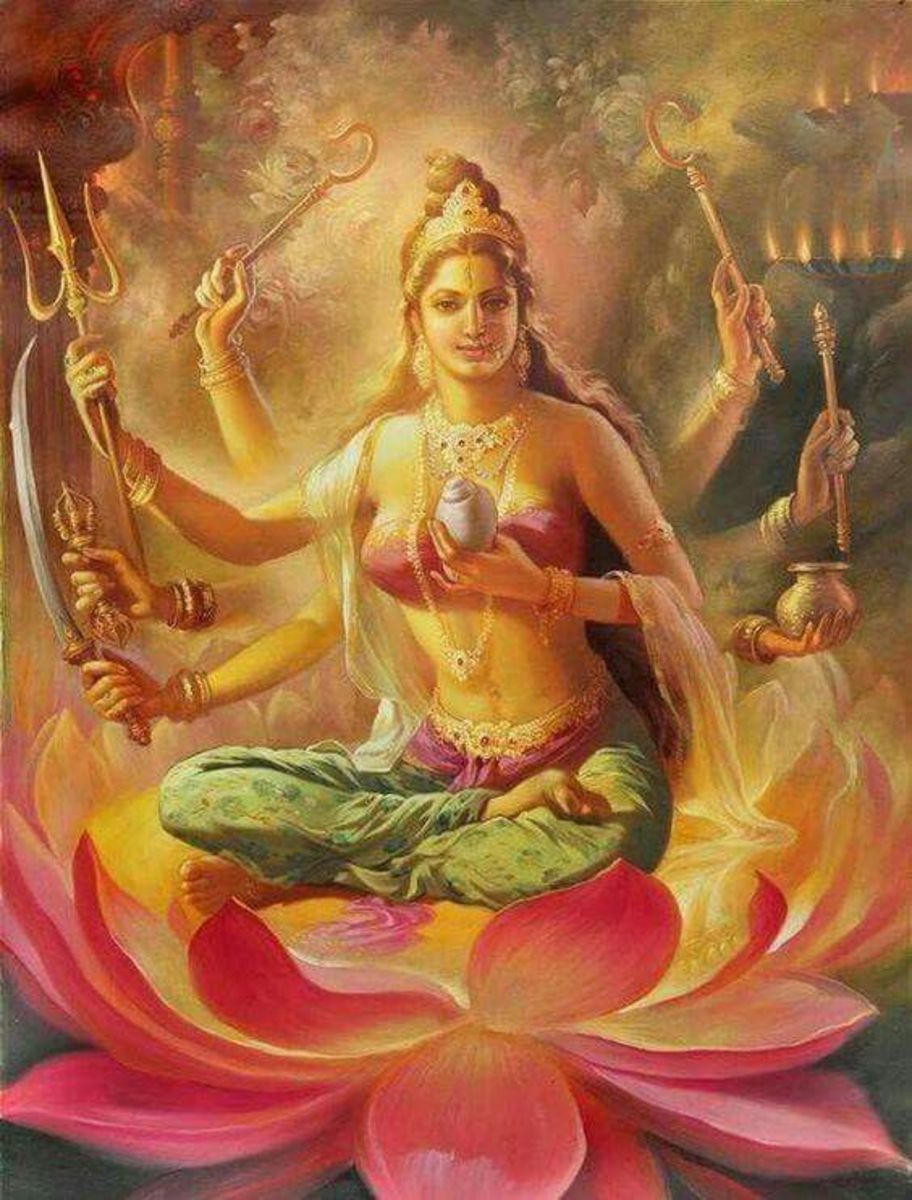
Shakti is a central concept in Hindu mythology, representing the divine feminine energy and power. It is often associated with the goddess Durga, who embodies strength, protection, and the ability to overcome evil. Shakti is not just a singular entity; it manifests in various forms and goddesses, each representing different aspects of this powerful energy. The significance of Shakti in Hinduism is profound, as it illustrates the balance between masculine and feminine energies, and highlights the essential role of women in both the spiritual and material worlds.
Origins of Shakti
The concept of Shakti has its roots in ancient Hindu scriptures and texts, such as the Vedas and the Upanishads. These texts explore the duality of existence, emphasizing that every force has a corresponding energy. In the Vedic tradition, the term ‘Shakti’ signifies power, energy, and strength. The Tantras, which are a set of scriptures focused on spiritual practices, further elaborate on Shakti, detailing rituals and worship dedicated to the divine feminine.
 Sakata
Shakti is often linked to the cosmic energy that creates and sustains the universe. In many creation myths, Shakti is depicted as the primal energy that gives birth to the cosmos. This energy is sometimes personified as the goddess Parvati, who is the consort of Lord Shiva. Their union symbolizes the balance between Shiva, representing consciousness, and Shakti, representing energy. Together, they illustrate the harmony necessary for creation and existence.
Forms of Shakti
Shakti manifests in various forms, each representing different qualities and powers. Some of the most prominent forms of Shakti include Durga, Kali, Saraswati, and Lakshmi. Each goddess has her unique attributes and significance in Hindu mythology. Understanding these forms is essential to grasp the complete essence of Shakti.
Durga
Durga is one of the most revered forms of Shakti. She is often depicted riding a lion or tiger, symbolizing her strength and courage. Durga is known for her fierce battle against the buffalo demon Mahishasura, representing the triumph of good over evil. The festival of Navaratri celebrates Durga’s victory, emphasizing the importance of feminine power in overcoming challenges.
 Sahadeva
Kali
Kali, another fierce aspect of Shakti, represents the destructive side of energy. She is often portrayed with a dark complexion, wearing a garland of skulls. Kali embodies transformation and liberation, helping to destroy ignorance and ego. While she may appear fearsome, her ultimate goal is to protect her devotees and guide them toward enlightenment.
Saraswati
Saraswati represents the intellectual aspect of Shakti. She is the goddess of knowledge, music, and art. Often depicted playing the veena, a musical instrument, Saraswati symbolizes the pursuit of wisdom and creativity. Her presence is essential for learning and artistic expression, reminding us of the importance of knowledge in our lives.
Lakshmi
In contrast to the fierce aspects of Shakti, Lakshmi represents abundance and prosperity. She is often depicted with gold coins and surrounded by lotus flowers, symbolizing wealth and purity. Lakshmi is worshipped during the festival of Diwali, where devotees seek her blessings for prosperity and success in their endeavors.
 Sagara
Shakti in Daily Life
The influence of Shakti extends beyond mythology and religious practices; it is also deeply embedded in daily life. Many people incorporate the worship of Shakti into their everyday routines, seeking her blessings for strength, wisdom, and prosperity. Rituals and prayers dedicated to various forms of Shakti are common in Hindu households.
- Morning prayers to Durga for strength and protection.
- Offering of sweets and flowers to Lakshmi for prosperity.
- Learning and creativity sessions dedicated to Saraswati.
- Reflecting on personal growth and transformation inspired by Kali.
Additionally, the concept of Shakti encourages individuals to embrace their own inner power. Women, in particular, are inspired by the various forms of Shakti to recognize their strength and capabilities. This empowerment fosters a sense of confidence and resilience, essential for navigating the challenges of life.
Shakti in Philosophy
Shakti is not only a religious concept but also a philosophical one. It encourages the understanding of the interconnectedness of all beings and the balance of energies within the universe. In many philosophical discussions, Shakti is viewed as the dynamic force that drives creation, preservation, and destruction. This cyclical nature of existence highlights the importance of both Shakti and its counterpart, Shiva.
The philosophical texts, such as the Shakta philosophy, emphasize the worship of Shakti as the ultimate reality. According to this philosophy, recognizing the divine feminine energy within oneself leads to a deeper understanding of existence. This realization can transform one’s life, leading to a sense of purpose and connection to the universe.
Festivals Celebrating Shakti
Several festivals in Hindu culture celebrate Shakti and her various forms. These festivals are not only religious events but also cultural celebrations that bring communities together. They highlight the importance of feminine energy and the role of women in society. The following are some notable festivals dedicated to Shakti:
- Navaratri: A nine-night festival dedicated to the worship of Durga, celebrated with dance, music, and rituals.
- Durga Puja: A major festival in West Bengal, celebrating the arrival of Durga and her victory over evil.
- Diwali: The festival of lights, where Lakshmi is worshipped for wealth and prosperity.
- Vasant Panchami: A festival dedicated to Saraswati, celebrating knowledge and creativity.
Each of these festivals showcases the diverse aspects of Shakti and allows devotees to connect with the divine feminine. The celebrations often include rituals, music, dance, and community gatherings, fostering a sense of unity and devotion.
Shakti in Art and Literature
The influence of Shakti extends to art and literature, where her representation has inspired countless works. Artists and writers have explored the themes of feminine power, strength, and resilience through various mediums. From traditional paintings depicting the goddesses to contemporary literature that highlights women’s experiences, Shakti’s presence is pervasive.
In classical Indian art, goddesses like Durga and Kali are often depicted in dynamic poses, showcasing their strength and energy. These representations serve not only as religious icons but also as symbols of empowerment. Literature, on the other hand, often incorporates stories of these goddesses, emphasizing their role in the lives of devotees and the broader narrative of good versus evil.
Modern Interpretations of Shakti
In contemporary society, the concept of Shakti has evolved, taking on new meanings and interpretations. Many modern movements focus on women’s empowerment, drawing inspiration from the idea of Shakti. Feminists and social activists often invoke the power of Shakti to advocate for women’s rights and equality.
This modern interpretation encourages women to embrace their strength and challenge societal norms. The idea of Shakti serves as a reminder that women possess inherent power, which can be harnessed to bring about positive change. As such, Shakti becomes a symbol of resistance against oppression and a celebration of feminine energy in all its forms.
Global Influence of Shakti
The concept of Shakti is not limited to India; it has found resonance in various cultures around the world. The idea of divine feminine energy exists in many traditions, often symbolizing strength, fertility, and creativity. This cross-cultural connection highlights the universal appeal of the concept of Shakti.
In Western cultures, the rise of feminist spirituality has drawn parallels to the Hindu concept of Shakti. Many women have embraced the idea of divine feminine energy as a source of empowerment. Workshops, retreats, and literature focusing on feminine power often reference Shakti, demonstrating its global influence.
Shakti and Meditation
Meditation practices often incorporate the concept of Shakti, helping individuals connect with their inner energy. Various forms of meditation focus on harnessing this energy for personal growth and transformation. Practices such as Shakti meditation encourage participants to tap into their feminine energy, fostering a sense of empowerment and self-awareness.
Through meditation, individuals can cultivate a deeper understanding of their own strengths and abilities. This connection to Shakti can lead to enhanced creativity, emotional resilience, and a greater sense of purpose. Many practitioners report feeling more balanced and empowered after engaging in Shakti-based meditation.
The concept of Shakti is rich and multifaceted, encompassing various aspects of feminine energy and power. From its origins in ancient scriptures to its modern interpretations, Shakti continues to inspire and empower individuals across cultures. The reverence for Shakti in Hindu mythology highlights the importance of the divine feminine and its role in the balance of existence. Through worship, philosophy, art, and personal practice, the essence of Shakti remains a vital force in the lives of many, encouraging a deeper connection to one’s inner power and the world around us.