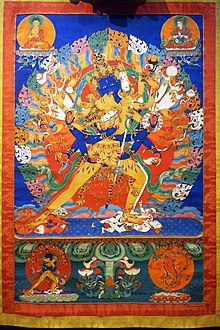
The Kalachakra is a significant concept in Buddhist mythology that represents the idea of time and cycles. The term “Kalachakra” translates to “Wheel of Time” in Sanskrit. This concept encompasses various aspects of life, including cosmology, astrology, and the cycles of existence. It is essential to understand that Kalachakra is not merely an abstract idea; it is deeply rooted in the teachings of Buddhism and plays a crucial role in the spiritual practice of many Buddhists around the world.
The Origin of Kalachakra
The origins of the Kalachakra teachings can be traced back to ancient India. According to tradition, these teachings were revealed by the Buddha himself during his time in the land of Shambhala, a mythical kingdom said to be hidden in the Himalayas. The teachings were later transmitted to various disciples, who helped spread them throughout the Buddhist world. This transmission highlights the significance of Kalachakra as a means of understanding the nature of reality and the path to enlightenment.
 Juni Shinsho
Kalachakra is often associated with the Tantric tradition of Buddhism, which emphasizes the importance of meditation and ritual practices. These teachings provide practitioners with a framework for understanding the interplay between time, space, and consciousness. The Kalachakra Tantra, one of the most important texts in this tradition, outlines the various aspects of these teachings and serves as a guide for practitioners seeking spiritual growth.
The Symbolism of the Kalachakra
The Kalachakra is often depicted as a wheel, symbolizing the cyclical nature of existence. This wheel consists of several components, each representing different aspects of life and the universe. The outer rim of the wheel represents the universe, while the inner spokes symbolize the various paths to enlightenment. The center of the wheel is often depicted as a deity, representing the ultimate goal of the spiritual journey.
One of the most important symbols associated with the Kalachakra is the Kalachakra deity itself. This deity is often portrayed with multiple faces and arms, symbolizing the multifaceted nature of reality. The different aspects of the Kalachakra deity represent various qualities, such as wisdom, compassion, and power. By meditating on this deity, practitioners seek to cultivate these qualities within themselves and move closer to enlightenment.
 Ju-o
Ju-oThe Practice of Kalachakra
Practicing Kalachakra involves a combination of meditation, ritual, and study. One of the central practices is the visualization of the Kalachakra mandala, which is a symbolic representation of the universe. This mandala serves as a focal point for meditation and helps practitioners to connect with the teachings of Kalachakra on a deeper level. During meditation, practitioners visualize themselves within the mandala, allowing them to experience the interconnectedness of all beings.
Another important aspect of Kalachakra practice is the recitation of mantras. Mantras are sacred sounds or phrases that are believed to have transformative power. The Kalachakra mantra, known as “Om Ah Hum,” is often recited to invoke the qualities of the Kalachakra deity. By repeating this mantra, practitioners aim to purify their minds and cultivate positive qualities that lead to spiritual growth.
The Kalachakra Initiation
One of the most significant events in the practice of Kalachakra is the Kalachakra initiation. This initiation is a special ceremony led by a qualified teacher, usually a high-ranking lama or spiritual leader. During this event, participants receive teachings and blessings related to the Kalachakra. The initiation is seen as a transformative experience, providing practitioners with the tools they need to engage in Kalachakra practice effectively.
 Miyolangsangma
The initiation process typically involves several stages, including teachings on the Kalachakra philosophy, meditation practices, and the importance of ethics in spiritual practice. Participants are often encouraged to make commitments to uphold ethical conduct and engage in compassionate actions in their daily lives. This commitment is crucial, as it helps to create a supportive environment for spiritual growth.
The Role of Kalachakra in Tibetan Buddhism
In Tibetan Buddhism, the Kalachakra teachings hold a particularly prominent place. The Tibetan tradition has preserved and expanded upon the original teachings, incorporating them into various aspects of their spiritual practice. The Kalachakra has become a central theme in Tibetan Buddhist rituals, art, and philosophy, reflecting its significance within this tradition.
Tibetan Buddhism views the Kalachakra as a means of understanding the interconnectedness of all beings. The teachings emphasize that all phenomena arise in dependence on various causes and conditions, highlighting the importance of compassion and wisdom in the spiritual journey. This perspective encourages practitioners to cultivate a sense of interconnectedness with others, fostering a deep sense of compassion and empathy.
Kalachakra in Modern Times
In recent years, the Kalachakra teachings have gained popularity beyond the traditional Buddhist communities. Many people from diverse backgrounds are drawn to the teachings for their insights into the nature of time, existence, and consciousness. The Kalachakra has become a bridge for dialogue between different cultures and spiritual traditions, promoting understanding and harmony.
High-profile events, such as the Kalachakra initiation led by the Dalai Lama, have attracted thousands of participants from around the world. These gatherings provide a unique opportunity for individuals to engage with the teachings and connect with others who share a similar interest in spirituality. The emphasis on compassion and mindfulness resonates with many people, making the Kalachakra relevant in contemporary society.
The Connection Between Kalachakra and Science
The teachings of Kalachakra also invite interesting discussions about the relationship between Buddhism and modern science. The concepts of time and reality explored in Kalachakra resonate with contemporary scientific inquiries into the nature of the universe. Many scientists and spiritual seekers find common ground in the understanding that reality is not as fixed as it may seem.
For example, quantum physics challenges traditional notions of time and space, suggesting that our understanding of reality is much more complex than previously thought. This aligns with the Kalachakra teachings, which emphasize the impermanence and interdependence of all phenomena. Such connections foster a dialogue between science and spirituality, encouraging individuals to explore the deeper meanings of existence.
The Importance of Compassion in Kalachakra
At the heart of Kalachakra teachings is the principle of compassion. Practitioners are encouraged to cultivate compassion for all sentient beings as a fundamental aspect of their spiritual journey. This compassion is not limited to personal relationships; it extends to all beings, recognizing the interconnectedness of life. By developing compassion, practitioners can transform their minds and create a more harmonious world.
The practice of compassion involves recognizing the suffering of others and taking steps to alleviate it. This can manifest in various ways, such as engaging in acts of kindness, volunteering, or simply offering a listening ear to someone in need. The teachings of Kalachakra remind practitioners that compassion is not merely an emotion; it is an active practice that requires intention and effort.
Kalachakra and the Concept of Enlightenment
The ultimate goal of the Kalachakra teachings is to achieve enlightenment, a state of perfect wisdom and compassion. Enlightenment is understood as the realization of the true nature of reality, free from ignorance and delusion. The Kalachakra teachings provide a roadmap for practitioners seeking to navigate the complexities of existence and reach this state of awakening.
Through the practices of meditation, ethical conduct, and the cultivation of wisdom, individuals can gradually move closer to enlightenment. The teachings emphasize that enlightenment is not an unattainable ideal; rather, it is a potential within every individual. By engaging with the Kalachakra teachings, practitioners can unlock this potential and experience profound transformation in their lives.
The Global Impact of Kalachakra
The influence of Kalachakra extends far beyond its origins in India and Tibet. Today, the teachings are embraced by individuals and communities worldwide, fostering a greater understanding of Buddhism and its principles. The Kalachakra has become a symbol of peace and harmony, promoting dialogue and cooperation among diverse cultures and religions.
Many organizations and communities have incorporated Kalachakra teachings into their practices, emphasizing the importance of compassion, mindfulness, and interconnectedness. This global impact reflects the timeless relevance of Kalachakra and its ability to inspire individuals from all walks of life to engage in meaningful spiritual practices.
The Future of Kalachakra
As we look to the future, the teachings of Kalachakra continue to evolve and adapt to the changing world. The emphasis on compassion and interconnectedness resonates with contemporary challenges, such as climate change and social inequality. By applying the principles of Kalachakra, individuals and communities can work towards creating a more just and compassionate world.
The future of Kalachakra also involves the ongoing preservation and dissemination of its teachings. As interest in Buddhism grows, it is essential to ensure that the teachings remain accessible to future generations. This includes translating texts, training teachers, and creating supportive environments for practice. By doing so, the wisdom of Kalachakra can continue to inspire individuals on their spiritual journeys for years to come.
Conclusion: The Timeless Wisdom of Kalachakra
The Kalachakra teachings offer profound insights into the nature of existence, time, and consciousness. By engaging with these teachings, individuals can cultivate compassion, wisdom, and a deeper understanding of their interconnectedness with all beings. The timeless wisdom of Kalachakra serves as a guiding light for those seeking spiritual growth and transformation in an ever-changing world.