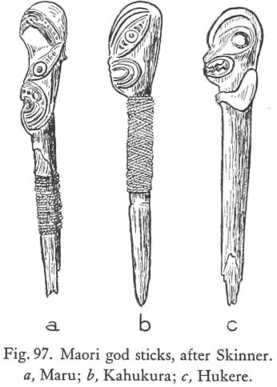
In the rich tapestry of Maori mythology, the story of Hukere stands out as a significant narrative that embodies themes of love, sacrifice, and transformation. Hukere is often associated with the natural world, symbolizing the connection between the spiritual and physical realms. His story is not just a tale but a reflection of the values and beliefs held by the Maori people, providing insight into their understanding of life, death, and the universe.
The Origins of Hukere
Hukere is believed to have originated from the ancient Maori gods, emerging from the primal chaos of the universe. According to legend, he was born from the union of the earth and sky, representing the balance between these two powerful forces. His birth was marked by the arrival of the first light, which illuminated the world and signified the beginning of life as the Maori knew it. This moment was crucial, as it established Hukere as a pivotal figure in the creation narrative, symbolizing hope and new beginnings.
 Hine-uri
The story of Hukere also intertwines with the creation of the natural world. It is said that he walked among the mountains and rivers, learning from the land and its inhabitants. Through his travels, he developed a deep understanding of nature and its rhythms, which later informed his actions and decisions. His relationship with the environment showcases the Maori belief in the interconnectedness of all living things, emphasizing that every creature and element has its own role and purpose.
The Characteristics of Hukere
Hukere is often depicted as a handsome and strong figure, embodying the qualities of a warrior and a lover. His physical appearance is described in various ways, but he is commonly portrayed with long flowing hair, symbolizing his connection to the winds and the skies. This connection grants him the ability to traverse great distances, both physically and spiritually. His eyes are said to reflect the depths of the ocean, hinting at his emotional complexity and capacity for love.
 Hine-titama
Beyond his physical attributes, Hukere possesses several supernatural abilities that enhance his role in Maori mythology. He is often associated with wisdom and insight, allowing him to see beyond the surface of things. This ability is particularly important in his interactions with other characters in the myths, as he often serves as a mediator or guide. His deep understanding of the world enables him to navigate complex situations, helping others find their path.
The Story of Hukere and the Great Flood
One of the most famous tales involving Hukere is the story of the Great Flood, which is a significant event in Maori mythology. According to the legend, the world was once filled with wickedness and greed, prompting the gods to cleanse the earth. Hukere, witnessing the suffering of the innocent, felt a deep sense of compassion and sought to intervene. He decided to build a great ark to save those who were pure of heart.
As the floodwaters began to rise, Hukere gathered the creatures of the land and sky, urging them to seek refuge in his ark. His ability to communicate with animals played a crucial role in this endeavor, as he was able to convince them to join him. The ark became a symbol of hope, a sanctuary for those who wished to escape the impending doom. This part of the story highlights Hukere’s leadership qualities and his commitment to protecting life.
 Hine-te-ngaru-moana
Key Elements of the Flood Story
- The Call to Action: Hukere’s compassion drives him to save the innocent.
- The Construction of the Ark: A symbol of hope and refuge.
- The Gathering of Creatures: Demonstrates his ability to connect with all living beings.
- The Aftermath: A new beginning for the world, reflecting the themes of renewal and rebirth.
As the flood raged on, Hukere’s ark floated above the turbulent waters, providing safety to its inhabitants. Days turned into weeks, and the world outside transformed into a vast ocean. During this time, Hukere taught the creatures about resilience and the importance of unity. He encouraged them to share their stories and wisdom, fostering a sense of community that would be vital for their survival. This period of reflection and learning would shape the future of the world once the floodwaters receded.
The Return to Dry Land
Eventually, the floodwaters began to subside, revealing the land that had been hidden for so long. Hukere and the creatures emerged from the ark, stepping onto the newly formed earth. This moment was significant, as it marked the beginning of a new era for both the creatures and the world itself. The landscape had changed, but it was now filled with potential and promise. Hukere’s leadership during the flood had ensured the survival of many species, creating a diverse and thriving ecosystem.
Upon their return, Hukere took it upon himself to teach the creatures how to adapt to their new environment. He guided them in building homes and finding food, emphasizing the importance of living in harmony with nature. His teachings focused on respecting the land and its resources, instilling a sense of responsibility among the creatures. This aspect of the story highlights the Maori belief in the importance of stewardship and sustainability, reinforcing the idea that humans must care for the earth.
The Legacy of Hukere
The legacy of Hukere extends beyond his immediate actions during the Great Flood. He is often remembered as a symbol of compassion, leadership, and resilience. His story serves as a reminder of the importance of community and the strength that comes from unity. In Maori culture, his narrative is often shared through oral traditions, emphasizing the value of storytelling as a means of preserving history and imparting wisdom.
Furthermore, Hukere’s tale continues to inspire contemporary Maori art, literature, and performance. Artists draw upon his story to create works that reflect the ongoing relationship between the Maori people and their environment. Through these creative expressions, Hukere’s legacy is kept alive, reminding future generations of the lessons learned from his experiences. This cultural continuity is vital for maintaining a sense of identity and connection to the past.
Hukere in Modern Culture
In recent years, there has been a resurgence of interest in Maori mythology, with figures like Hukere becoming more prominent in popular culture. Books, films, and theatrical productions have started to explore these ancient stories, bringing them to new audiences. This modern interpretation often highlights the universal themes found in Hukere’s narrative, such as the struggle against adversity and the importance of protecting the environment.
Moreover, educational programs focused on Maori culture and mythology have begun to incorporate Hukere’s story as a means of teaching about Maori values and beliefs. Schools and community organizations are recognizing the significance of these narratives in promoting cultural understanding and respect. By sharing Hukere’s story, they aim to foster a greater appreciation for the rich heritage of the Maori people.
Conclusion of the Narrative
The tale of Hukere remains a vital part of Maori mythology, encapsulating the essence of their worldview. Through his story, we learn about the importance of love, sacrifice, and the interconnectedness of all life. Hukere’s legacy continues to resonate today, serving as a beacon of hope and a reminder of the responsibilities we hold towards each other and the world around us. His narrative is a powerful testament to the enduring nature of myth and its ability to inspire and educate across generations.