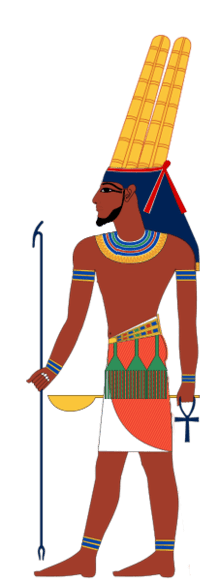
Sopdu is a significant figure in Egyptian mythology, known primarily as a god associated with the desert and the eastern horizon. He is often depicted as a man with the head of a jackal or a desert fox. His role in the pantheon reflects the importance of the desert landscape in ancient Egyptian culture, symbolizing both danger and mystery. Sopdu’s connections to the sun and the horizon further highlight the significance of these elements in Egyptian spirituality and daily life.
The Origins of Sopdu
The origins of Sopdu can be traced back to the early dynastic period of ancient Egypt. He was revered in various regions, particularly in the eastern Nile Delta. His worship likely stemmed from the ancient Egyptians’ need to explain the natural world around them, including the harshness of the desert. As a deity, Sopdu represents the unpredictability of nature and the dangers that lurked beyond the fertile banks of the Nile.
In the ancient Egyptian belief system, gods were often tied to specific geographical features. Sopdu’s association with the desert reflects the Egyptians’ understanding of their environment. The desert was not just a barren wasteland; it was a place filled with life and danger. Sopdu was believed to protect travelers crossing these treacherous lands, providing a sense of security amidst the unknown.
Symbolism and Iconography
Sopdu is often depicted in various forms of art and iconography. Artists frequently portrayed him as a man with the head of a jackal, a symbol of protection and loyalty. The jackal is also a creature commonly associated with the afterlife, linking Sopdu to the ideas of death and rebirth. His imagery often includes elements of the sun, as he was also connected to solar deities.
 Serket
One of the most prominent symbols associated with Sopdu is the desert itself. The vast, arid landscapes of Egypt serve as a backdrop to his stories and myths. The sun disc is another important symbol, representing his role in the daily cycle of life and death. Sopdu embodies the duality of life: the nurturing aspects of the Nile contrasted with the harsh realities of the desert.
Sopdu in Egyptian Religion
Sopdu was an important figure in ancient Egyptian religion, particularly in the context of the solar cults. He was often worshipped alongside other sun deities, such as Ra and Horus. His role in the pantheon was not just limited to the desert; he was also seen as a guardian of the sun’s journey across the sky. This aspect of his character highlights the Egyptians’ deep understanding of astronomy and their reliance on celestial bodies for navigation and timekeeping.
His worship involved various rituals and offerings, aimed at appeasing the god and ensuring safe passage through the desert. Travelers and traders would often invoke Sopdu’s name before embarking on long journeys, seeking his protection against the perils of the unknown. The importance of Sopdu in the religious practices of ancient Egyptians illustrates the deep connection they had with their environment and the deities they believed governed it.
 Seker
SekerSopdu’s Family and Relationships
Sopdu is often linked with several other deities in the Egyptian pantheon, forming a complex web of relationships that reflects the interconnectedness of their roles. One of the most notable connections is with the goddess Isis, who represents motherhood and fertility. Their relationship signifies the balance between life and death, nurturing and danger. In many myths, Isis is depicted as a protective figure, complementing Sopdu’s role as a guardian of travelers.
Another important relationship is with the god Osiris, the ruler of the afterlife. Sopdu’s association with the desert and the horizon complements Osiris’s role in the cycle of life and death. Together, they symbolize the journey of the soul through the afterlife, navigating both the dangers of the desert and the blessings of the Nile. These relationships highlight the complexity of Egyptian mythology, where gods often had overlapping roles and responsibilities.
Legends and Myths Involving Sopdu
Many legends feature Sopdu, illustrating his importance in Egyptian mythology. One popular myth tells the story of his journey across the desert to rescue a lost traveler. In this tale, Sopdu transforms into a guide, leading the traveler safely through the treacherous sands. This story emphasizes his role as a protector and guardian of those who dare to traverse the harsh landscapes of Egypt.
Another myth involves Sopdu’s connection to the sun. According to this legend, he is tasked with ensuring that the sun rises each day, marking the beginning of a new cycle. His journey across the horizon symbolizes the eternal battle between light and darkness, a recurring theme in Egyptian mythology. These stories serve not only to entertain but also to impart valuable lessons about the importance of respect for nature and the gods.
Sopdu’s Influence on Modern Culture
The influence of Sopdu extends beyond ancient Egypt and into modern culture. Many aspects of Egyptian mythology, including the stories of Sopdu, have been reinterpreted in literature, film, and art. Contemporary artists often draw inspiration from ancient Egyptian themes, showcasing the enduring legacy of these myths. Sopdu’s imagery, particularly his jackal-headed form, continues to captivate audiences around the world.
In recent years, there has been a resurgence of interest in Egyptian mythology, leading to a renewed exploration of figures like Sopdu. Books, movies, and video games often feature elements of ancient Egyptian culture, introducing new generations to these rich stories. This cultural revival highlights the timeless appeal of mythology and its ability to resonate with contemporary audiences.
The Role of Sopdu in Ancient Egyptian Society
Sopdu played a vital role in the daily lives of ancient Egyptians. His influence extended beyond the spiritual realm and into practical aspects of society. For traders and travelers, invoking Sopdu’s name was a common practice before embarking on long journeys through the desert. This belief in his protective powers reflects the deep connection between religion and daily life in ancient Egypt.
Moreover, Sopdu’s association with the desert made him a symbol of resilience. The harsh environment surrounding the Nile was both a challenge and a source of strength for the ancient Egyptians. They learned to navigate the difficulties posed by the desert, and Sopdu became a representation of their ability to adapt and survive. His presence in their mythology served as a reminder of the importance of courage and perseverance in the face of adversity.
Sopdu in Archaeological Findings
Archaeological discoveries have shed light on the worship of Sopdu and his significance in ancient Egyptian culture. Temples and shrines dedicated to him have been unearthed, providing insight into the rituals and practices associated with his veneration. These sites often contain inscriptions and artwork depicting Sopdu, illustrating his role in the religious life of ancient Egyptians.
Artifacts such as amulets and statues have also been found, showcasing the importance of Sopdu in the lives of individuals. These objects were often used as protective charms, believed to carry the god’s blessings. The presence of Sopdu’s imagery in these artifacts highlights the enduring belief in his power and influence, even in the afterlife.
The Legacy of Sopdu
The legacy of Sopdu endures through the centuries, reminding us of the rich tapestry of Egyptian mythology. His stories and symbolism continue to inspire modern interpretations of ancient culture. Scholars and enthusiasts alike study his role in the pantheon, seeking to understand the complexities of his character and the lessons embedded in his myths.
In contemporary discussions about mythology and culture, Sopdu serves as a reminder of the enduring power of storytelling. His presence in the narratives of ancient Egypt highlights the importance of understanding our relationship with the environment and the forces that govern our lives. As we explore the myths of the past, figures like Sopdu remind us of the timeless nature of these stories and their relevance in today’s world.