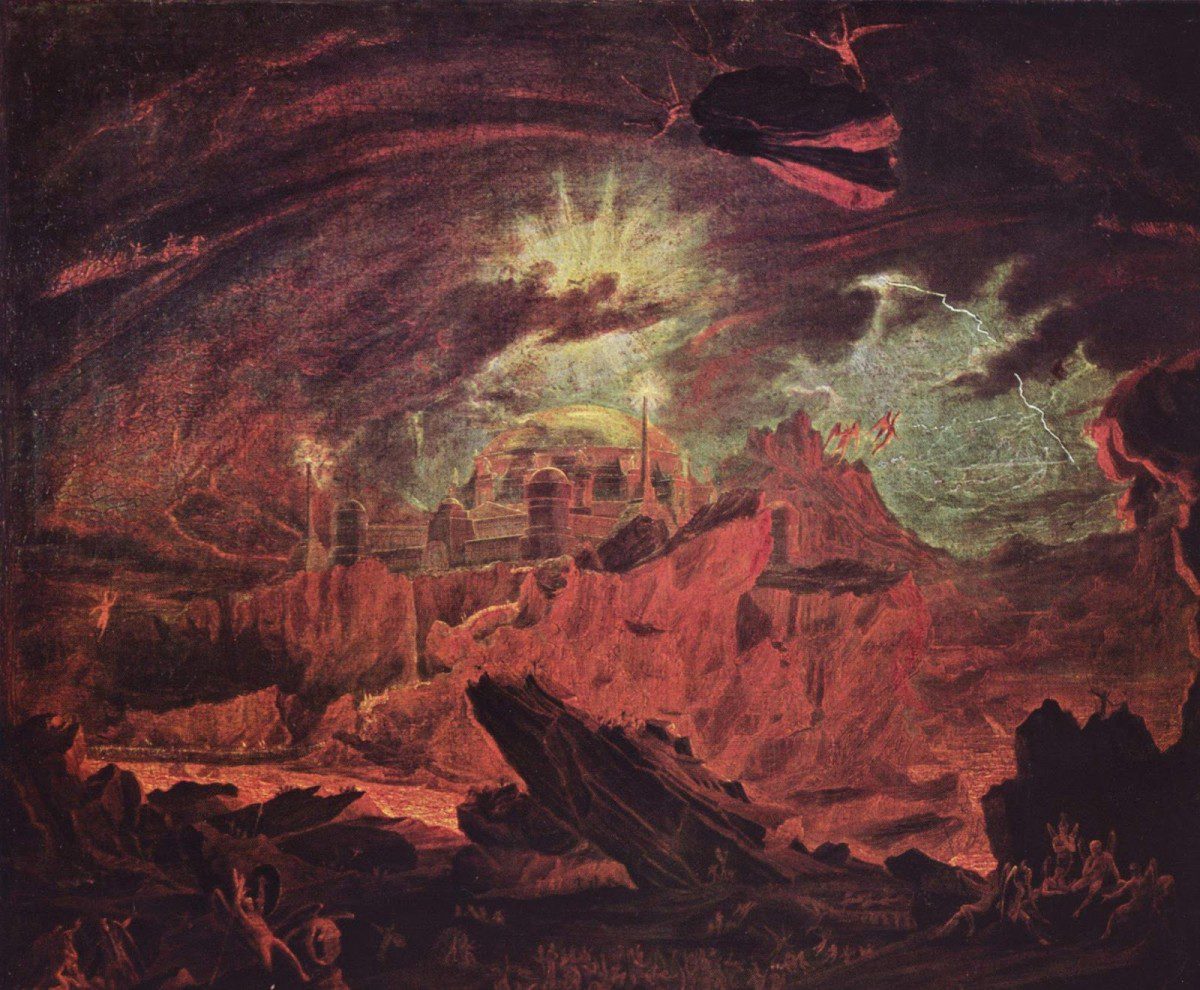
Tartarus is a significant element in Greek mythology, often regarded as a deep abyss used as a dungeon of torment for the wicked and as a prison for the Titans. In ancient texts, it is described as a place located far below the surface of the Earth, even deeper than Hades, the realm of the dead. Tartarus is not merely a geographical location; it represents a concept of punishment and retribution for those who have committed grave offenses against the gods or humanity. The ancient Greeks believed that this place was reserved for the most heinous souls, where they would suffer eternal punishment.
Geographical Significance of Tartarus
In the realm of Greek cosmology, Tartarus is often depicted as a vast pit, shrouded in darkness and despair. This abyss is said to be as far beneath the Earth as the Earth is below the heavens. The Geography of Tartarus is crucial to understanding its role in myth. It is not just a physical location but a representation of the consequences of one’s actions. The ancients believed that this was a place where the laws of morality were enforced by the gods, serving as a stark reminder of the consequences of hubris and evil deeds.
 Taygete
According to Hesiod, a prominent figure in ancient Greek literature, Tartarus is surrounded by a bronze wall and is home to numerous imprisoned beings. It is a dark and dreadful place, filled with echoes of the tormented souls who reside there. The geography of Tartarus emphasizes its inescapability; once a soul enters, it is trapped forever, highlighting the idea that one cannot escape the consequences of their actions.
Mythological Figures Associated with Tartarus
Tartarus is home to several significant mythological figures who are often mentioned in various ancient texts. One of the most notable is Chronos, the personification of time, who was imprisoned there after being overthrown by his son Zeus. This act symbolizes the cyclical nature of time and power, illustrating how even the mightiest can fall from grace and be subjected to punishment.
 Telchines
Another important figure associated with Tartarus is Prometheus, the Titan who stole fire from the gods and gave it to humanity. As punishment for his transgression, Zeus condemned him to suffer in Tartarus, where an eagle would eat his liver every day, only for it to regenerate overnight. This myth illustrates themes of sacrifice, rebellion, and the harsh realities of divine justice.
Other Notable Inhabitants
- Atlas: The Titan condemned to hold up the sky.
- Typhon: A monstrous giant who challenged Zeus and was imprisoned in Tartarus.
- Sisyphus: A king punished to roll a boulder uphill for eternity.
These figures, among others, serve to underline the moral lessons that Greek mythology aimed to impart. The fates of these characters reflect the consequences of defiance against divine authority, reinforcing the belief that no one is above the law, not even the gods themselves.
The Role of Tartarus in Greek Religion
Tartarus played a vital role in ancient Greek religion, serving as a significant aspect of their understanding of justice and morality. The Greeks believed that the gods were not only powerful but also just, and Tartarus was a manifestation of this justice. It was a place where souls faced the repercussions of their earthly actions, reinforcing the belief that one’s deeds would ultimately determine their fate in the afterlife.
 Terpsichore
The rituals and practices surrounding death and the afterlife often included references to Tartarus. The Greeks believed that proper burial and honoring the dead were crucial to ensuring that souls found peace in the afterlife, whether that meant resting in Elysium or facing punishment in Tartarus. This belief system reflects the interconnectedness of life, death, and morality in Greek culture.
Literary References to Tartarus
Tartarus is mentioned in several key ancient texts, providing insight into its significance within Greek mythology. In Hesiod’s “Theogony,” Tartarus is described as a primordial entity, alongside Gaia and Eros. This highlights its importance in the Greek cosmological framework, where it is seen as one of the foundational elements of the universe.
Another significant literary reference comes from Homer’s “Iliad,” where Tartarus is described as a place of punishment for those who have angered the gods. This epic poem emphasizes the consequences of hubris and the importance of reverence towards the divine. Such references in literature underscore the cultural and religious significance of Tartarus in ancient Greek society.
Modern Interpretations of Tartarus
- Contemporary literature often references Tartarus to symbolize despair and punishment.
- Modern films and media use Tartarus as a metaphor for personal struggles and the consequences of one’s actions.
- Video games and fantasy literature often incorporate elements of Tartarus in their narratives, showcasing its lasting impact on storytelling.
The interpretations of Tartarus have evolved over time, but its essence as a place of punishment and moral reckoning remains intact. In contemporary culture, Tartarus continues to be a powerful symbol of the consequences of one’s actions, resonating with audiences and serving as a reminder of the age-old lessons embedded in Greek mythology.
The Symbolism of Tartarus
Tartarus symbolizes various themes that are central to Greek mythology, including punishment, justice, and morality. The very existence of Tartarus serves as a warning to mortals about the repercussions of their actions. It reflects the belief that the gods are always watching and that wrongdoing will not go unpunished. This notion of divine justice is crucial to understanding the moral framework of ancient Greek society.
Moreover, Tartarus represents the concept of fear and consequences. The stories of those who are condemned to Tartarus serve as cautionary tales, warning individuals against pride and disobedience. By instilling fear of punishment, the myths surrounding Tartarus encourage people to live virtuous lives and uphold the values of their society.
Conclusion of Tartarus in Cultural Context
The concept of Tartarus transcends its mythological roots, influencing various aspects of modern culture. Its depiction as a place of punishment resonates with contemporary themes of justice and morality. The stories of those who inhabit Tartarus serve as reminders of the importance of accountability and the impact of one’s choices. Through literature, art, and popular culture, Tartarus continues to be a powerful symbol that captures the imagination and reinforces the timeless lessons of Greek mythology.