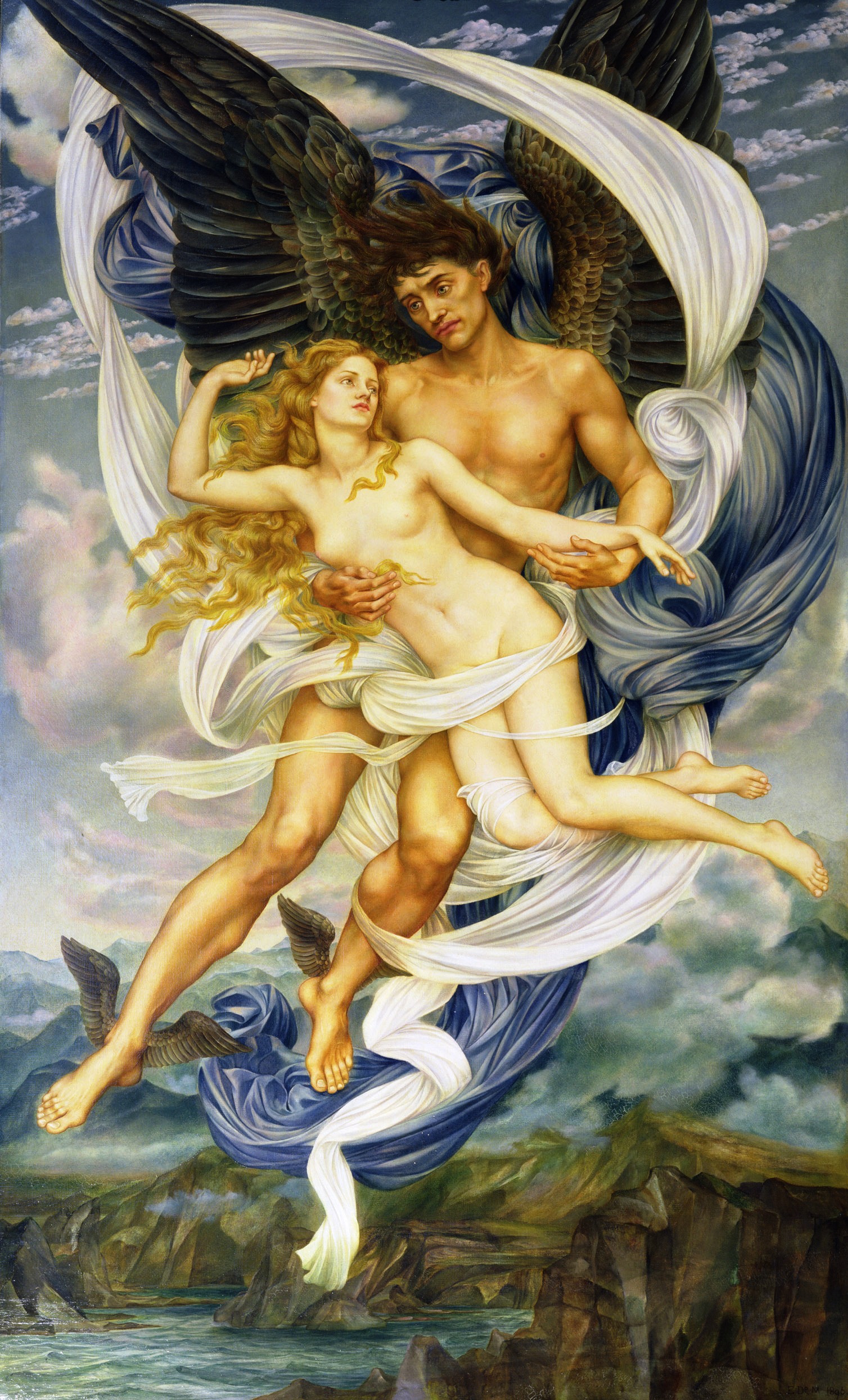
In the vast tapestry of Greek mythology, many figures stand out for their unique stories and connections to the gods. One such figure is Oreithyia, a character whose tale intertwines themes of love, conflict, and transformation. Oreithyia is often depicted as a beautiful and strong figure, representing the winds and the mountainous regions of Greece. Her story is not just about her identity but also about her relationships and the cultural significance she holds within the mythological canon.
The Origins of Oreithyia
Oreithyia, also known as the daughter of King Erechtheus of Athens, is a significant figure in Athenian mythology. She is often described as a personification of the cold winds that sweep through the mountains. According to myth, Oreithyia was renowned for her beauty, which attracted many suitors. Her father, however, was protective and wished for her to remain safe within the city of Athens. This protective nature of Erechtheus set the stage for a dramatic encounter that would change Oreithyia’s life forever.
 Orion
OrionHer story begins with the arrival of Boreas, the god of the North Wind. Boreas was captivated by Oreithyia’s beauty and was determined to win her love. He came to Athens in a storm, demonstrating his power and presence. His fierce nature and godly allure made him an intriguing figure, but Oreithyia’s heart was not easily swayed. The tension between Boreas and Oreithyia’s father created a backdrop of conflict, as Erechtheus was wary of the wind god’s intentions.
The Abduction of Oreithyia
The turning point in Oreithyia’s story is marked by her abduction by Boreas. One day, while Oreithyia was playing near the banks of the river Ilissos, Boreas seized the opportunity to capture her. In a whirlwind of wind and power, he swept her away to his home in the far north. This act of abduction, while violent, was also seen as a demonstration of Boreas’s love for Oreithyia. Many ancient texts suggest that Boreas was genuinely enamored with her, and his actions were fueled by a desire to make her his bride.
 Orpheus
Despite the nature of the abduction, Oreithyia eventually came to accept her fate. In her new home, she was treated with honor and respect. Boreas provided for her, and together they had several children, including Zetes and Calais, who would later play significant roles in other myths, such as the quest for the Golden Fleece. Oreithyia’s transformation from a princess of Athens to the queen of the winds illustrates her adaptability and strength in the face of adversity.
Life in the northern realms with Boreas was different from Oreithyia’s previous existence in Athens. The landscape was rugged and wild, contrasting sharply with the orderly life she had known. Boreas, as the god of the North Wind, represented not only the cold but also the untamed aspects of nature. Oreithyia learned to embrace this new life, becoming a symbol of resilience and strength. She adapted to her surroundings, showcasing her ability to thrive despite the challenges posed by her new environment.
In her new role, Oreithyia became associated with the winds, embodying their swift and unpredictable nature. She was often depicted alongside Boreas, symbolizing their union and the balance between love and power. Together, they represented a harmonious relationship between humanity and the forces of nature. The couple was also linked to the changing seasons, with Oreithyia embodying the transition from winter to spring, reflecting the cycle of life and rebirth.
 Orthrus
The Children of Oreithyia
Oreithyia and Boreas had several children, each of whom played a role in various myths. Their sons, Zetes and Calais, were known as the Boreads, and they were celebrated for their bravery and strength. The Boreads became notable figures in Greek mythology, particularly for their involvement in the Argonauts’ quest for the Golden Fleece. Their connection to their mother, Oreithyia, is significant, as it illustrates how her lineage continued to influence Greek heroes and their adventures.
In addition to Zetes and Calais, Oreithyia was also said to have had daughters, who were often associated with the winds and the mountains. These daughters contributed to the rich tapestry of mythological stories, representing the beauty and ferocity of nature. The legacy of Oreithyia lived on through her children, who embodied the traits of both their parents, showcasing the power of love and the impact of divine heritage.
The Symbolism of Oreithyia
Oreithyia is not only a character in Greek mythology but also a symbol of various themes. One of the most prominent themes is the idea of transformation. Her journey from a princess to the queen of the winds represents the changes individuals undergo in life. This transformation resonates with many, illustrating that change, while often daunting, can lead to new beginnings and opportunities.
Furthermore, Oreithyia embodies the concept of balance. Her relationship with Boreas showcases the duality of nature, where love and power coexist. This balance is crucial in understanding the dynamics of relationships in mythology, as it reflects the complexities of human emotions. Oreithyia’s story encourages a deeper appreciation of the forces that shape our lives, reminding us that both beauty and chaos can exist simultaneously.
Oreithyia in Art and Literature
Throughout history, Oreithyia has been depicted in various forms of art and literature. In ancient Greece, she was often portrayed in pottery and sculptures, highlighting her beauty and strength. Artists sought to capture the essence of her character, illustrating her connection to the winds and the mountains. These depictions served not only as representations of her physical form but also as reflections of the cultural values of the time.
In literature, Oreithyia’s story has been referenced by numerous poets and playwrights. Her abduction by Boreas has been interpreted in various ways, often symbolizing the tension between love and violence. Poets have drawn upon her tale to explore themes of desire, loss, and transformation, highlighting the emotional depth of her character. Oreithyia’s legacy continues to inspire modern interpretations, as her story resonates with contemporary audiences seeking to understand the complexities of love and identity.
Modern Interpretations of Oreithyia
In contemporary culture, Oreithyia’s story has found new life in various forms. From literature to film, her character has been reimagined to reflect modern themes and issues. Writers often explore her journey as a metaphor for personal growth and empowerment, drawing parallels between her experiences and those of individuals today. This recontextualization allows audiences to connect with her story on a deeper level, making it relevant in today’s society.
Moreover, Oreithyia’s symbolism as a representation of nature and the elements resonates with environmental themes prevalent in modern discourse. As discussions about climate change and the environment become increasingly urgent, Oreithyia’s connection to the winds and mountains serves as a reminder of the beauty and power of nature. Her legacy encourages a greater appreciation for the natural world and the importance of protecting it for future generations.
The Cultural Impact of Oreithyia
The impact of Oreithyia extends beyond mythology; she has influenced various aspects of culture and society. In Athens, her story was celebrated through festivals and rituals, reflecting the city’s reverence for its mythological figures. These celebrations often involved music, dance, and theatrical performances that honored Oreithyia and her connection to the winds. Such cultural practices helped to reinforce the importance of mythology in shaping communal identity.
Additionally, Oreithyia’s narrative has been utilized in educational contexts, teaching lessons about resilience, adaptability, and the complexities of love. Her story serves as a powerful tool for discussing broader themes within Greek mythology and their relevance to human experiences. By examining Oreithyia’s life, individuals can gain insights into the values and beliefs that shaped ancient Greek society, fostering a deeper understanding of cultural heritage.
Oreithyia in Comparative Mythology
When examining Oreithyia in the context of comparative mythology, intriguing parallels can be drawn between her story and those of other mythological figures across different cultures. For instance, her abduction by Boreas bears similarities to the tales of other goddesses who were taken by powerful beings. These narratives often explore themes of love, power dynamics, and the struggle for autonomy, reflecting universal human experiences.
In Norse mythology, for example, the tale of Freya shares common elements with Oreithyia’s story. Freya, the goddess of love and war, is often depicted as being pursued by powerful figures, showcasing the interplay between desire and control. Such comparisons highlight the recurring motifs found in mythology, emphasizing the shared cultural themes that transcend individual traditions. Through these lenses, Oreithyia’s story gains further depth and significance within the broader scope of human storytelling.
The Legacy of Oreithyia
Oreithyia’s legacy continues to resonate in various fields, from literature to environmental advocacy. Her story serves as a reminder of the importance of adaptability and resilience in the face of challenges. In a world that is constantly changing, Oreithyia’s journey encourages individuals to embrace transformation and seek strength in their experiences. This message is particularly relevant in today’s society, where change is a constant and adaptability is essential for growth.
Furthermore, the cultural impact of Oreithyia is evident in the ongoing exploration of her story in academic and artistic circles. Scholars continue to analyze her character and its implications, contributing to the rich discourse surrounding Greek mythology. As new interpretations emerge, Oreithyia’s story remains a vital part of the mythological landscape, inspiring generations to reflect on the complexities of love, power, and identity.