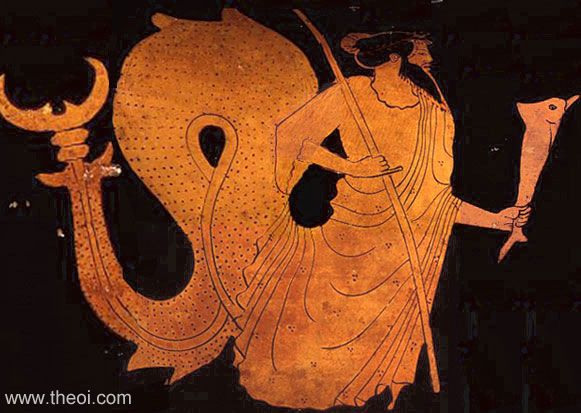
Nereus is a fascinating figure in Greek mythology, often referred to as the “Old Man of the Sea.” He is known for his wisdom, gentleness, and ability to change his shape at will. Nereus is the son of Gaia (Earth) and Pontus (the Sea), making him a primordial deity. Unlike many of the more violent gods of Olympus, Nereus represents a more tranquil aspect of the sea. His character and stories highlight the ancient Greeks’ deep connection with the ocean and their understanding of its many moods and mysteries.
Origins of Nereus
Nereus is often considered one of the earliest sea deities in Greek mythology. His lineage connects him directly to both the Earth and the Sea, symbolizing the balance between land and water. He is described as having a gentle and benevolent nature, which is quite different from many of his fellow deities. Nereus is sometimes depicted with a long beard, reminiscent of a wise elder, and often carries a trident, emphasizing his dominion over the sea.
 Nike
NikeAs a primordial being, Nereus is a part of the creation myths of the ancient Greeks. He is one of the many children of Gaia and Pontus, and his siblings include various other sea deities and monsters. His role in the pantheon of Greek gods is significant, as he serves as a bridge between the chaotic forces of nature and the more organized structure of the Olympian gods. This connection reflects the ancient Greeks’ respect for the natural world and its powers.
Nereus and His Offspring
Nereus is the father of the Nereids, a group of fifty sea nymphs who are often depicted as beautiful maidens. Each of the Nereids has her own unique personality and attributes, embodying different aspects of the sea. Some of the most well-known Nereids include Thetis, who is the mother of Achilles, and Amphitrite, who becomes the wife of Poseidon, the god of the sea. The Nereids are often associated with helping sailors and guiding them through treacherous waters.
- Thetis: Known for her beauty and wisdom, she plays a crucial role in the Trojan War.
- Amphitrite: The queen of the sea, she represents the nurturing aspect of the ocean.
- Galatea: Famous for her love story with the mortal Acis, highlighting the interaction between gods and humans.
The Nereids often assist heroes and mortals in their quests, showcasing their benevolent nature. They are often depicted riding dolphins or other sea creatures, symbolizing their connection to the ocean. The stories of Nereus and his daughters reflect the ancient Greeks’ view of the sea as a powerful but also nurturing force in their lives.
 Niobe
NiobeThe Characteristics of Nereus
Nereus is often characterized by his wisdom and his ability to foresee the future. He is known for his truthfulness and reliability, making him a trusted figure among the gods and mortals alike. Unlike other deities who are often driven by emotions or desires, Nereus embodies a calm and steady presence. This quality makes him a valuable ally to heroes who seek guidance and knowledge.
Another significant aspect of Nereus’s character is his ability to shape-shift. This power allows him to transform into various forms, which he often uses to evade those who seek to capture or harm him. This ability symbolizes the unpredictable nature of the sea, which can be both calm and tempestuous. Nereus’s shape-shifting also reflects the ancient Greeks’ understanding of the ocean’s many faces, emphasizing the need for respect and caution when navigating its waters.
Nereus in Literature and Art
Nereus has been a subject of various works of art and literature throughout history. In ancient Greek poetry, he is often mentioned in the context of the sea and its mysteries. One of the most notable references to Nereus is in Homer’s “Iliad,” where he is described as a wise figure who possesses knowledge of the past and future. His insights are sought after by both gods and mortals, further emphasizing his importance in the mythological landscape.
 Nyx
NyxIn visual art, Nereus is frequently depicted in sculptures and paintings. Artists often portray him with his daughters, the Nereids, showcasing their beauty and grace. These artworks serve not only as representations of mythological stories but also as reflections of the ancient Greeks’ admiration for the sea and its deities. The serene expressions on Nereus and his daughters convey a sense of peace, contrasting with the chaotic and often violent depictions of other gods.
The Role of Nereus in Greek Mythology
Nereus plays a crucial role in the broader context of Greek mythology. His character represents the sea’s dual nature—both nurturing and destructive. As a father to the Nereids, he embodies the protective aspect of the ocean, guiding and aiding those who respect its power. However, his ability to shape-shift also serves as a reminder of the sea’s unpredictable nature, highlighting the need for caution and reverence.
In various myths, Nereus is sought out by heroes for his wisdom and guidance. For instance, Heracles (Hercules) is known to have consulted Nereus during his labors. This interaction illustrates the importance of wisdom and knowledge in overcoming challenges. Nereus’s role as a guide and protector reinforces the idea that seeking help from the wise is a noble pursuit.
Nereus and Modern Interpretations
In modern times, Nereus continues to inspire artists, writers, and filmmakers. His character has been reinterpreted in various ways, often emphasizing his wisdom and connection to the sea. Contemporary literature may explore themes of environmentalism and the importance of preserving our oceans, drawing parallels between Nereus’s gentle nature and the need for respect towards marine life.
Moreover, Nereus’s shape-shifting ability has been embraced in modern storytelling, often symbolizing the fluidity of identity and the complexities of human nature. This aspect of his character resonates with contemporary audiences, who may see parallels in their own lives and the challenges of navigating personal transformations.
Nereus in Popular Culture
Nereus has found his way into popular culture, appearing in various forms of media. He has been featured in movies, television shows, and video games, often portrayed as a wise and benevolent figure. His character serves as a reminder of the ancient Greeks’ reverence for the sea and its mysteries. In some adaptations, Nereus is depicted as a mentor or guide, helping protagonists on their journeys.
Additionally, Nereus’s daughters, the Nereids, have also captured the imagination of modern audiences. They are often portrayed as strong and independent characters, reflecting contemporary values of empowerment and resilience. This evolution of Nereus’s character and his offspring demonstrates the enduring legacy of Greek mythology and its relevance in today’s world.
The Legacy of Nereus
The legacy of Nereus extends beyond mythology; it serves as a reminder of the ancient Greeks’ deep connection to the sea. His character represents the balance between power and gentleness, chaos and tranquility. As a symbol of wisdom and guidance, Nereus continues to resonate with those who seek knowledge and understanding in their lives.
In the context of environmental awareness, Nereus’s story can inspire a deeper appreciation for the ocean and its ecosystems. His character encourages us to reflect on our relationship with nature and the importance of protecting our planet’s waters. The ancient Greeks recognized the sea as a powerful force, and Nereus embodies the respect and reverence that such a force deserves.
Nereus in Academic Studies
Nereus has been the subject of academic studies exploring his role in Greek mythology and literature. Scholars often analyze his character in relation to other sea deities and the broader themes of nature and human interaction within Greek myths. These studies highlight the significance of Nereus as a figure who embodies both the nurturing and unpredictable aspects of the sea.
Additionally, the character of Nereus is examined in the context of ancient Greek society and its values. His wisdom and gentle nature reflect the qualities that were admired in leaders and mentors. By studying Nereus, scholars gain insights into the cultural and philosophical beliefs of the ancient Greeks, shedding light on how they understood their world.
Nereus in Comparative Mythology
In comparative mythology, Nereus can be likened to other water deities from different cultures. Many civilizations have their own representations of sea gods who embody wisdom, change, and the duality of nature. For example, the Roman god Neptune shares similarities with Nereus, as both are associated with the sea and possess attributes of power and control over water.
These comparisons reveal universal themes present in human storytelling, highlighting the importance of water as a life-giving and destructive force. Nereus, with his unique characteristics, serves as a valuable figure in understanding how different cultures perceive and relate to the natural world, particularly the oceans.
Nereus stands as a compelling figure in Greek mythology, embodying wisdom, transformation, and the complex relationship humans have with the sea. His stories and attributes continue to resonate with audiences today, reflecting timeless themes of guidance, respect for nature, and the pursuit of knowledge. Through Nereus, we gain insight into the ancient Greeks’ understanding of the world and their reverence for the mysteries of the ocean.