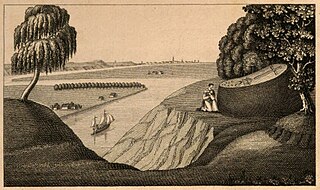
In Lithuanian mythology, the figure of Raugo Žemėpatis holds a significant place as a deity associated with the earth and its various elements. This figure is often revered as a protector of the land, agriculture, and the natural world. In understanding Raugo Žemėpatis, it is essential to explore his characteristics, roles, and the cultural context in which he is worshipped. The ancient Lithuanian people had a profound connection with nature, and their deities often embodied aspects of the earth, making Raugo Žemėpatis a vital part of their spiritual landscape.
Origins and Historical Context
The origins of Raugo Žemėpatis can be traced back to the early beliefs of the Baltic tribes that inhabited the region now known as Lithuania. These tribes had a rich tapestry of myths and legends, many of which revolved around the natural elements and the cycles of life. Raugo Žemėpatis is believed to have emerged from these ancient beliefs as a manifestation of the earth’s power and fertility. The name itself reflects his association with the land, as “Žemė” means earth in Lithuanian.
 Rasa
RasaHistorically, Lithuanian society was agrarian, relying heavily on the cycles of nature for survival. This dependence on the earth fostered a deep respect for the land and its spirits. As a result, Raugo Žemėpatis became an essential figure in agricultural rituals and celebrations. Farmers would invoke his name during planting and harvesting seasons, seeking his blessings for a bountiful yield. The connection between Raugo Žemėpatis and agriculture highlights the importance of nature in the daily lives of the Lithuanian people.
Characteristics of Raugo Žemėpatis
Raugo Žemėpatis is often depicted as a wise and benevolent figure, embodying the strength and resilience of the earth. He is characterized by his close relationship with the soil, plants, and all living things that rely on the earth for sustenance. This deity is not only a guardian of agriculture but also a symbol of fertility and growth. The ancient Lithuanians believed that Raugo Žemėpatis had the power to influence the fertility of the land and the health of crops.
 Ragutis
In addition to his agricultural associations, Raugo Žemėpatis is also linked to the seasons and their cyclical nature. He represents the changing of the seasons, reminding the people of the importance of harmony with nature. His presence is felt in the blossoming of flowers in spring, the ripening of fruits in summer, the harvest in autumn, and the dormancy of winter. This cyclical understanding of life is a crucial aspect of Lithuanian mythology, reflecting the balance between human activities and the natural world.
Rituals and Worship
The worship of Raugo Žemėpatis involved various rituals and ceremonies aimed at honoring the earth and seeking his favor. One of the most important times for these rituals was during the planting season. Farmers would gather to perform rites that included offerings of food, drink, and sometimes even animal sacrifices. These offerings were made to ensure that Raugo Žemėpatis would bless the land with fertility and protect the crops from pests and diseases.
Another significant ritual was the harvest festival, where communities would come together to celebrate the bounty of the land. This festival was marked by feasting, singing, and dancing, all dedicated to Raugo Žemėpatis. The people would express their gratitude for the harvest and seek continued blessings for future seasons. During these celebrations, it was common for participants to share stories and songs that honored the earth and its spirits, reinforcing the community’s bond with nature.
 Ragutiene
Symbols and Iconography
Raugo Žemėpatis is often represented through various symbols that reflect his connection to the earth. One of the most prominent symbols is the sheaf of wheat, which signifies the harvest and abundance. This symbol serves as a reminder of the importance of agriculture in Lithuanian culture and the blessings of Raugo Žemėpatis. Additionally, other symbols such as soil, plants, and water are often associated with him, emphasizing his role as a guardian of the natural world.
In traditional Lithuanian art, depictions of Raugo Žemėpatis may include elements of nature, such as trees, rivers, and fields. These artistic representations highlight his connection to the land and serve as a reminder of the deep respect the ancient Lithuanians had for their environment. The use of natural motifs in art and storytelling further solidifies Raugo Žemėpatis’s place in the cultural consciousness of the Lithuanian people.
Modern Interpretations and Influence
In contemporary Lithuania, the figure of Raugo Žemėpatis continues to influence cultural practices and beliefs. As the world becomes more industrialized, there is a growing movement to reconnect with traditional values and respect for nature. Many Lithuanians are turning to their ancient roots, seeking to understand the wisdom of their ancestors. This revival of interest in Lithuanian mythology has brought Raugo Žemėpatis back into the spotlight, inspiring new generations to appreciate the importance of the earth and its resources.
Moreover, modern celebrations often incorporate elements of traditional rituals dedicated to Raugo Žemėpatis. Festivals that celebrate the changing seasons and the harvest are increasingly popular, allowing people to express their gratitude for the earth’s gifts. These events not only honor the deity but also serve as a reminder of the need to live in harmony with nature. Through these practices, the legacy of Raugo Žemėpatis endures, reminding people of the interconnectedness of all living things.
Raugo Žemėpatis in Literature and Folklore
The stories and legends surrounding Raugo Žemėpatis are an integral part of Lithuanian folklore. Many tales depict him as a wise figure who imparts knowledge about the earth and its cycles. These stories often emphasize the importance of respecting nature and living in harmony with the environment. Through these narratives, the values and teachings associated with Raugo Žemėpatis are passed down from generation to generation, ensuring that the lessons of the past continue to resonate in modern times.
In literature, Raugo Žemėpatis is sometimes referenced in poetry and prose that celebrate the beauty of the Lithuanian landscape. Writers draw inspiration from the natural world, using the figure of Raugo Žemėpatis as a symbol of the earth’s power and resilience. This literary connection reinforces the cultural significance of the deity and highlights the enduring relationship between the people and their land.
Environmental Significance
The teachings of Raugo Žemėpatis hold great relevance in today’s context of environmental awareness. As the world faces challenges such as climate change and ecological degradation, the lessons from Lithuanian mythology become increasingly important. Raugo Žemėpatis embodies the idea of stewardship over the land, reminding people of their responsibility to protect and preserve the environment. This perspective encourages individuals and communities to adopt sustainable practices and to recognize the intrinsic value of nature.
Moreover, the rituals and customs associated with Raugo Žemėpatis serve as a reminder of the importance of community in environmental stewardship. Collaborative efforts to care for the land reflect the ancient Lithuanian belief in the interconnectedness of all living things. By embracing these values, modern society can foster a deeper understanding of the relationship between humanity and the earth, paving the way for a more sustainable future.
Raugo Žemėpatis stands as a powerful symbol of the Lithuanian connection to the earth and its resources. Through his characteristics, rituals, and cultural significance, he embodies the values of respect, gratitude, and harmony with nature. As modern society grapples with environmental challenges, the teachings of Raugo Žemėpatis remind us of the importance of caring for our planet and recognizing the sacredness of the earth. By honoring this ancient deity, we can foster a deeper appreciation for the natural world and work towards a sustainable future for generations to come.