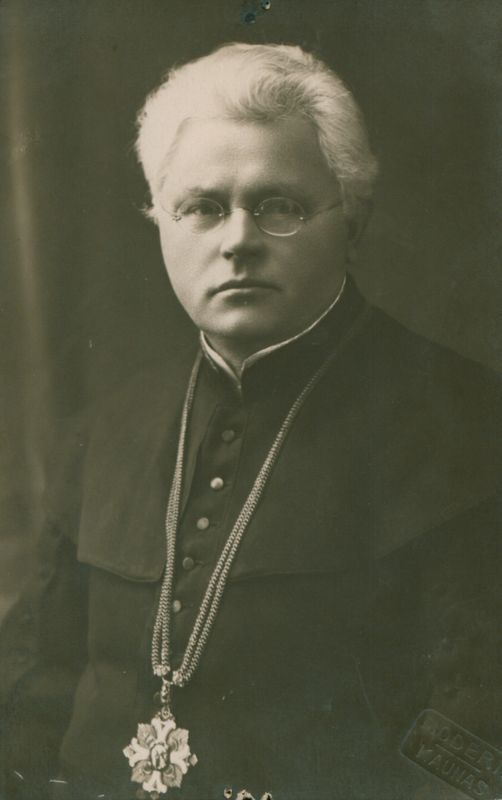
Vaižgantas is a significant figure in Lithuanian mythology, known for his rich tapestry of stories and cultural importance. This mythical character embodies the qualities of a wise man and a protector of the people, often associated with the natural elements and the well-being of the community. Vaižgantas is not just a character but a symbol of Lithuanian heritage, representing the deep connection between the people and their environment. His tales are filled with moral lessons, emphasizing the importance of wisdom, strength, and community.
Origins of Vaižgantas
The origins of Vaižgantas can be traced back to ancient times when Lithuanian mythology was rich with gods, spirits, and legendary heroes. Vaižgantas is often depicted as a figure who emerged from the forest, a place filled with mystery and magic. In many stories, he is said to be a guardian of the forest, protecting the animals and plants that inhabit it. His name itself is believed to derive from the word ‘vaižgantas’, which translates to ‘the one who is wise’. This name reflects his role as a teacher and a guide for the people.
 Sietynas
Vaižgantas’ character is often compared to other mythological figures in different cultures, such as Prometheus in Greek mythology. Just as Prometheus brought fire to humanity, Vaižgantas is seen as a bringer of knowledge and understanding. His stories often involve him teaching the people how to live in harmony with nature, emphasizing the importance of respecting the earth and its resources. This connection to nature is a central theme in many Lithuanian myths, showcasing the deep-rooted beliefs of the Lithuanian people.
Characteristics of Vaižgantas
Vaižgantas is portrayed as a wise and benevolent figure, often depicted with a long beard and a deep gaze that reflects his understanding of the world. His physical appearance symbolizes his connection to the earth and the elements. In many tales, he possesses supernatural abilities that allow him to communicate with animals and control natural forces. This connection to nature not only highlights his role as a protector but also as a mediator between the human world and the spirit realm.
 Saule
SauleIn addition to his wisdom, Vaižgantas is also characterized by his strength and bravery. He is often seen facing challenges that threaten the community, whether it be mythical beasts or natural disasters. His courage inspires the people to stand up against adversity, reinforcing the idea that strength comes from unity and cooperation. Vaižgantas teaches that true power lies not in physical strength alone but in the strength of character and the bonds of community.
Vaižgantas in Folklore
The tales of Vaižgantas are passed down through generations, often told around campfires or during community gatherings. These stories serve not only as entertainment but also as moral lessons for the younger generations. One popular tale involves Vaižgantas saving a village from a terrible drought by calling upon the rain spirits. Through his wisdom, he teaches the villagers the importance of respecting nature and the consequences of their actions.
Another well-known story features Vaižgantas confronting a fierce dragon that threatens the livestock of the village. With his cunning and bravery, he devises a plan to outsmart the dragon, showcasing the idea that intelligence can often overcome brute force. These stories are rich with symbolism and are designed to instill values such as bravery, wisdom, and the importance of living in harmony with nature.
 Šilinytis
Vaižgantas and Nature
Vaižgantas has a profound connection to nature, which is evident in many of his stories. He is often depicted as a protector of the forest, the rivers, and all living creatures. This relationship reflects the ancient Lithuanian belief that humans are not separate from nature but are an integral part of it. Vaižgantas teaches that the health of the environment directly affects the well-being of the community.
Many rituals and traditions in Lithuania are dedicated to honoring Vaižgantas and the natural world. People would often leave offerings in the forest or near rivers to seek his blessings for a good harvest or protection from disasters. These practices highlight the reverence that Lithuanians have for nature and the belief that Vaižgantas watches over them. This connection is crucial, as it fosters a sense of responsibility towards the environment, encouraging sustainable practices and respect for the earth.
Vaižgantas in Modern Culture
In contemporary Lithuania, Vaižgantas continues to be a symbol of cultural pride and identity. His stories are celebrated in various forms of art, including literature, theater, and visual arts. Many modern artists draw inspiration from Vaižgantas, using his image and tales to explore themes of nature, wisdom, and community. This resurgence of interest in Vaižgantas reflects a growing appreciation for Lithuanian mythology and its relevance in today’s world.
Schools and educational programs also incorporate the tales of Vaižgantas into their curricula, teaching children about their cultural heritage. This not only helps preserve the stories but also instills a sense of pride in their identity as Lithuanians. Through storytelling, the values embodied by Vaižgantas—such as respect for nature and the importance of community—are passed down to future generations.
The Legacy of Vaižgantas
Vaižgantas represents more than just a mythical figure; he embodies the spirit of the Lithuanian people. His legacy is one of wisdom, strength, and a deep connection to nature. As Lithuania continues to evolve in the modern world, the stories of Vaižgantas serve as a reminder of the importance of cultural heritage and the lessons that can be learned from the past. His tales encourage individuals to reflect on their relationship with the environment and the community, fostering a sense of responsibility and stewardship.
The impact of Vaižgantas is also seen in various festivals and celebrations across Lithuania. These events often feature storytelling, music, and dance, bringing communities together to honor their shared heritage. Through these gatherings, the stories of Vaižgantas remain alive, reinforcing the values of unity and respect for nature. The legacy of Vaižgantas continues to inspire and guide the Lithuanian people, reminding them of their roots and the wisdom that can be found in their mythology.
Vaižgantas is a vital part of Lithuanian mythology, serving as a bridge between the past and present. His stories not only entertain but also educate, instilling important values that resonate with the community. As Lithuania navigates the challenges of modern life, the teachings of Vaižgantas remain relevant, encouraging a harmonious relationship with nature and each other. Through his enduring legacy, Vaižgantas continues to inspire generations, ensuring that the wisdom of the past is never forgotten.