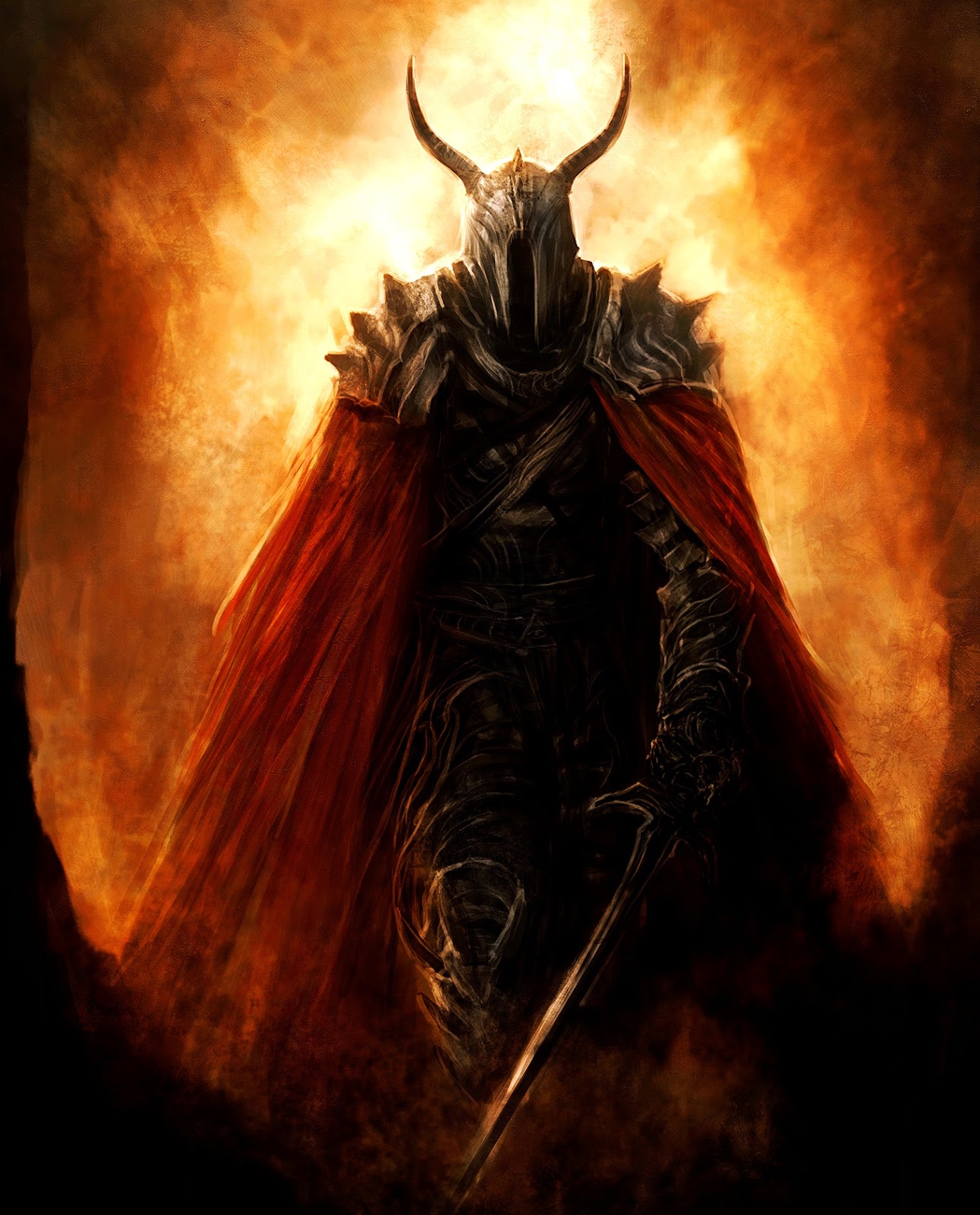
In the realm of Greek mythology, the concept of Moros holds significant importance. Moros is often depicted as a personification of doom or fate, representing the inevitable end that awaits all mortals. His presence in mythological stories serves as a reminder of the inescapable nature of destiny and the role of fate in human life. Unlike many other deities in the Greek pantheon, Moros is not celebrated or revered; instead, he embodies a darker aspect of existence that people often fear. His character invites exploration into themes of mortality, destiny, and the human condition.
The Origins of Moros
The origins of Moros can be traced back to ancient Greek literature and texts, where he is sometimes described as the son of Nyx, the goddess of night. In various accounts, Nyx represents the dark and mysterious forces of the universe, and Moros is one of her many offspring. This lineage is significant as it places Moros within the context of primordial deities, suggesting that he is an integral part of the cosmic order. His existence highlights the belief that doom is not merely a random occurrence but rather an essential aspect of the natural world, governed by divine forces.
 Morpheus
Moros is often associated with other figures in mythology, such as Thanatos, the personification of death, and Hypnos, the personification of sleep. Together, these deities represent the various facets of mortality and the inevitable fate that all beings must confront. The interconnectedness of these figures emphasizes the complexity of human existence and the inevitability of facing one’s fate. In this way, Moros serves as a reminder that, while life may be filled with choices, the ultimate outcome remains beyond human control.
Moros in Literature
Moros appears in several ancient texts, contributing to the rich tapestry of Greek mythology. One notable reference can be found in Hesiod’s works, where he is mentioned alongside other primordial beings. In these texts, Moros is portrayed as a force that cannot be ignored, underscoring the idea that every individual has a predetermined fate. This notion is a recurring theme in Greek literature, where characters often struggle against their destinies, only to find that their efforts are futile.
Another significant reference to Moros can be found in Virgil’s “Aeneid,” where he is depicted as a harbinger of doom. In this context, Moros serves as a reminder of the consequences of human actions and the idea that one’s fate is often a result of their choices. This portrayal reinforces the belief that while individuals may attempt to alter their paths, they remain subject to the overarching influence of fate, which Moros embodies.
 Olympus
Symbolism of Moros
The symbolism of Moros is multifaceted, representing various aspects of the human experience. Primarily, he symbolizes the concept of inevitability, reminding individuals that no matter how hard they try to evade their destinies, certain outcomes are unavoidable. This aspect of Moros serves as a sobering reminder of the limitations of human agency and the forces that govern life. His presence in mythology often evokes feelings of dread and resignation, prompting individuals to reflect on their choices and the consequences that follow.
- Inevitability: Moros represents the inescapable nature of fate.
- Mortality: He serves as a reminder of the transitory nature of life.
- Choice vs. Fate: Moros highlights the tension between human choices and predetermined outcomes.
Additionally, Moros can be seen as a symbol of mortality. In a world where life is often celebrated, Moros serves as a counterbalance, reminding individuals of their finite existence. This duality encourages a deeper understanding of life and death, prompting individuals to appreciate their time and make meaningful choices. By confronting the reality of mortality, people may find a sense of purpose and urgency in their actions, ultimately leading to a more fulfilling existence.
Moros and Human Existence
 Muses
MusesThe presence of Moros in Greek mythology invites contemplation on the nature of human existence. His character embodies the struggle between free will and fate, a theme that resonates throughout various mythological tales. Many Greek heroes face the dilemma of trying to change their destinies, often leading to tragic outcomes. This struggle reflects a universal aspect of the human experience, where individuals grapple with their choices while being aware of the larger forces at play.
For instance, in the story of Oedipus, the protagonist attempts to escape the prophecy that foretells his tragic fate. Despite his efforts, Oedipus ultimately fulfills the prophecy, illustrating the powerful influence of Moros and fate. This narrative serves as a cautionary tale, reminding individuals of the limitations of human agency in the face of predetermined outcomes. Such stories highlight the tension between aspiration and resignation, encouraging readers to reflect on their paths and the forces that shape their lives.
Moros in Art and Culture
The figure of Moros has also found its way into various forms of art and culture, further solidifying his presence in the collective consciousness. Artists throughout history have depicted Moros in paintings, sculptures, and literature, often portraying him as a shadowy figure embodying despair and inevitability. These artistic representations capture the essence of Moros, inviting viewers to engage with the themes of fate and mortality.
In modern culture, Moros continues to influence various narratives, often appearing in literature, film, and theater. His character serves as a reminder of the darker aspects of existence, prompting audiences to reflect on their lives and the choices they make. By incorporating Moros into contemporary storytelling, creators explore the timeless themes of fate, mortality, and the human condition, ensuring that his legacy endures.
Moros and Other Mythological Figures
Moros does not exist in isolation; rather, he is interconnected with other mythological figures, each contributing to the overarching themes of fate and mortality. One of the most notable figures associated with Moros is Clotho, one of the Moirae or Fates, who spins the thread of life. Clotho’s role in weaving the thread symbolizes the beginning of life, while Moros represents the inevitable end. This relationship highlights the cyclical nature of existence, where every beginning ultimately leads to an end.
Another significant figure is Atropos, another Fate who cuts the thread of life. This act of severing the thread serves as a metaphor for death, reinforcing Moros’s association with doom and the finality of existence. Together, these figures illustrate the intricate web of fate that governs human lives, emphasizing the idea that while individuals may navigate their paths, the ultimate outcome remains predetermined.
Moros stands as a powerful symbol within Greek mythology, embodying the themes of doom, fate, and mortality. His presence serves as a reminder of the inescapable nature of destiny and the complexities of the human experience. Through various literary and artistic representations, Moros continues to influence contemporary narratives, inviting reflection on the choices individuals make and the forces that shape their lives. As we explore the character of Moros, we gain a deeper understanding of the delicate balance between free will and fate, ultimately enriching our appreciation of the human condition.