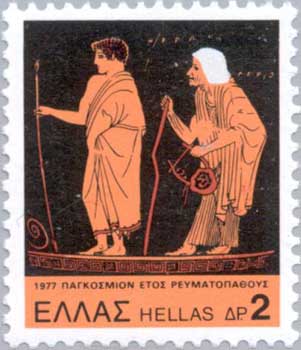
In Greek mythology, Linus is a figure that holds significant importance, particularly in the context of music and poetry. He is often depicted as a talented musician, credited with the invention of the lyre. This stringed instrument played a crucial role in ancient Greek culture, symbolizing harmony and artistic expression. Linus is often associated with various myths and legends, showcasing the interplay between music, learning, and the divine. His story reflects the broader themes of Greek mythology, where human endeavors in art and knowledge are frequently intertwined with the will of the gods.
Origins and Family Background
The origins of Linus are steeped in mythological tradition, with different sources offering varying accounts of his parentage. According to some myths, Linus is the son of Apollo, the god of music, poetry, and the arts. This connection to Apollo not only highlights Linus’s musical talents but also places him within the larger narrative of divine influence over human creativity. Other accounts suggest that Linus is the offspring of Calliope, the Muse of epic poetry, which further emphasizes his ties to the arts. These familial connections establish Linus as a figure deeply rooted in the artistic heritage of ancient Greece.
 Maia
MaiaAdditionally, Linus is sometimes linked to the famous hero Heracles (Hercules), as some stories suggest that he was a teacher to Heracles in the art of music. This relationship underscores the idea that even the mightiest heroes in Greek mythology had to learn and cultivate their skills. The interaction between Linus and Heracles exemplifies the balance between strength and intellect, a common theme in Greek myths where heroes often seek wisdom alongside their physical prowess.
Linus in Myth and Legend
Linus’s story is not just about his musical talents; it also encompasses themes of tragedy and loss. In one popular myth, Linus is killed by his own student, Heracles, during a lesson. The reasons for this tragic event vary across different retellings, but the essence remains the same: it serves as a poignant reminder of the fragility of life and the consequences of human emotions. This incident highlights the tension between teacher and student, where the pursuit of knowledge can lead to unforeseen outcomes. Linus’s death is often viewed as a symbol of the sacrifices made in the pursuit of greatness.
Following his death, Linus is remembered in various ways within the mythological framework. He is often celebrated through songs and stories, ensuring that his legacy lives on despite his tragic end. In some versions of the myth, he is associated with the Linus song, a type of lament sung in his honor. These songs often reflect themes of mourning and remembrance, capturing the essence of loss while also celebrating the beauty of Linus’s musical contributions. The act of singing these songs serves as a way for the community to come together, fostering a sense of unity through shared grief.
 Maiandros
Linus and Music
The figure of Linus is deeply intertwined with the world of music in ancient Greece. As a skilled musician, he is credited with the development of the lyre, an instrument that became synonymous with Greek culture. The lyre was not just a musical tool; it represented the harmonious relationship between humans and the divine. In many ways, Linus embodies the idea that music is a form of communication that transcends the ordinary, allowing individuals to connect with higher ideals and emotions.
In Greek society, music played a vital role in various aspects of life, from religious ceremonies to social gatherings. The lyre, as a central instrument, was often used in storytelling and performance, making it a critical component of cultural expression. Linus’s contributions to music are seen as foundational, influencing not only his contemporaries but also future generations of musicians and poets. His legacy in music is celebrated in various artistic forms, including literature, theater, and visual arts, showcasing the enduring impact of his creativity.
Influence on Other Mythological Figures
Linus’s influence extends beyond his own story, impacting other mythological figures in significant ways. One notable figure is Orpheus, who is often considered the greatest musician in Greek mythology. Orpheus’s ability to charm all living things with his music can be seen as a direct reflection of the legacy left by Linus. The connection between these two figures illustrates the continuity of musical tradition in Greek culture, where the skills of one generation are built upon by the next.
 Meliae
- Orpheus: Known for his enchanting music, Orpheus is often compared to Linus as a symbol of musical excellence.
- Heracles: Linus’s tragic death at the hands of Heracles serves as a cautionary tale about the complexities of mentorship.
- Apollo: As Linus’s divine father, Apollo represents the ideal of artistic achievement and the pursuit of beauty.
Moreover, Linus’s role as a teacher underscores the importance of mentorship in the arts. His relationship with Heracles serves as a reminder that the journey to mastery often involves challenges and conflicts. This dynamic is echoed in many myths, where the guidance of a mentor is crucial for the development of heroes and artists alike. The stories surrounding Linus highlight the idea that knowledge is not merely passed down but is also shaped by personal experiences and relationships.
Linus in Literature and Art
Linus’s legacy is preserved not only in oral traditions but also in various forms of literature and art. Ancient poets and playwrights often referenced Linus, using his story to convey deeper themes of loss, love, and the power of music. His tragic fate serves as a poignant backdrop for exploring the complexities of human emotions, making him a compelling character in the annals of Greek mythology.
In literary works, Linus is sometimes portrayed as a symbol of the artist’s struggle. His tragic end raises questions about the cost of creativity and the sacrifices that artists make in their pursuit of greatness. This theme resonates with many modern interpretations of the artistic process, where the line between inspiration and despair can be thin. Through Linus, writers and artists find a rich source of material to explore the dualities of life, creativity, and mortality.
Visual Representations
In addition to literature, Linus has been depicted in various visual arts throughout history. Artists often choose to portray him with a lyre, emphasizing his connection to music and the arts. These representations capture the essence of Linus as a figure who embodies the beauty and tragedy of human existence. The lyre serves as a visual symbol of harmony, creativity, and the enduring legacy of Linus in the cultural memory of ancient Greece.
- Statues: Many statues depict Linus holding a lyre, showcasing his role as a musician.
- Paintings: Artists have created numerous paintings illustrating scenes from Linus’s life, often highlighting his tragic fate.
- Pottery: Ancient Greek pottery often features images of Linus, linking him to the daily life and rituals of the time.
These visual representations not only celebrate Linus’s artistic contributions but also serve as a reminder of the cultural significance of music in ancient Greek society. By immortalizing Linus in art, creators ensure that his story continues to inspire future generations, reinforcing the idea that art is a timeless expression of the human experience.
The Linus Song and Cultural Significance
The Linus song holds a special place in Greek cultural traditions, representing both mourning and celebration. This song, often sung in memory of Linus, reflects the deep emotional connections that music can evoke. The act of singing serves as a communal expression of grief, allowing individuals to come together to honor the memory of a beloved figure. In this way, the Linus song transcends individual loss, becoming a collective ritual that reinforces social bonds.
The cultural significance of the Linus song extends beyond mere remembrance. It is a testament to the power of music as a means of communication and connection. In ancient Greece, music was an essential part of daily life, used in various ceremonies and celebrations. The Linus song exemplifies how music can articulate complex emotions, serving as a bridge between the past and present. Through this song, the legacy of Linus continues to resonate, reminding individuals of the importance of artistic expression in navigating the human experience.
Modern Interpretations
In contemporary times, the story of Linus has inspired various interpretations across different artistic mediums. Musicians, poets, and writers draw upon his narrative to explore themes of creativity, loss, and the transformative power of art. Modern adaptations often highlight the dualities present in Linus’s life, emphasizing the balance between joy and sorrow that characterizes the artistic journey.
- Music: Many modern musicians have created works inspired by Linus, incorporating themes from his story into their lyrics.
- Literature: Contemporary authors often reference Linus to explore the complexities of mentorship and artistic expression.
- Film: Linus’s story has been adapted into various films, showcasing his impact on popular culture.
These modern interpretations serve to keep the spirit of Linus alive, ensuring that his contributions to music and art are not forgotten. By reimagining his story, artists continue to explore the timeless themes of creativity, loss, and the enduring power of human expression.
Linus is a multifaceted figure in Greek mythology whose contributions to music and the arts have left an indelible mark on cultural history. His tragic story serves as a poignant reminder of the complexities of the human experience, illustrating the interplay between creativity, mentorship, and loss. Through the lens of Linus, we gain insight into the enduring significance of art and its ability to connect individuals across time and space. His legacy continues to inspire and resonate, reminding us of the power of music to transcend the ordinary and touch the depths of the human soul.