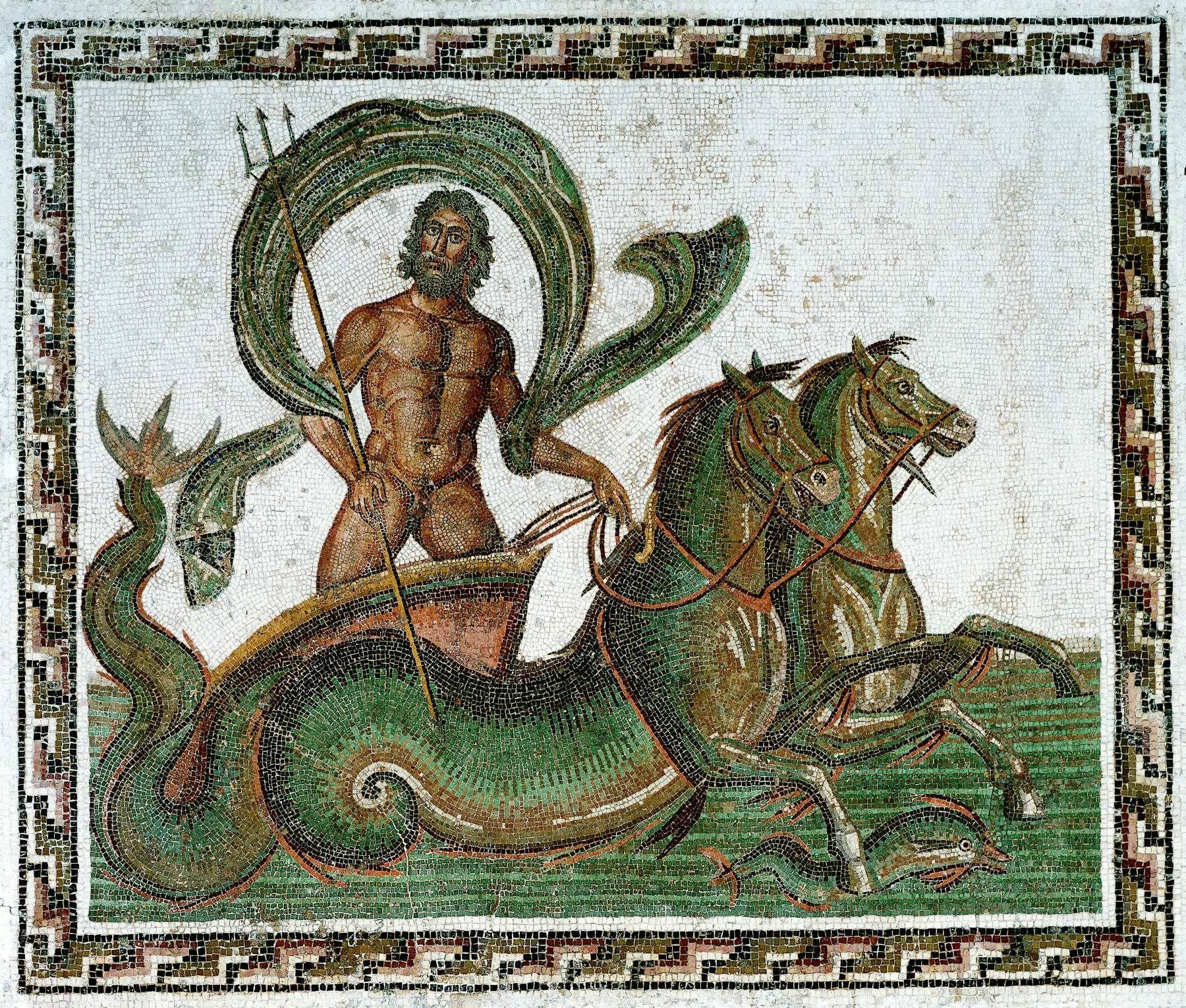
In Roman mythology, Neptune is known as the god of the sea, water, and horses. He is one of the major deities in the Roman pantheon and is often equated with the Greek god Poseidon. Neptune is depicted as a powerful figure who wields a trident, a three-pronged spear that symbolizes his dominion over the waters. His role as a sea god made him a significant figure for sailors and those who relied on the ocean for their livelihood. His influence extended beyond the sea; he was also associated with freshwater and horses, which were seen as vital to Roman society.
The Origins of Neptune
The origins of Neptune can be traced back to early Roman religion, where he was initially a lesser deity associated with freshwater. Over time, as the Romans came into contact with Greek culture, Neptune’s character evolved. He adopted many attributes of the Greek Poseidon, including his association with the ocean and his role as a god of horses. This transition marked the beginning of Neptune’s prominence in Roman mythology. His name is derived from the Latin word “neptunus,” which is linked to the Indo-European root *nep, meaning “to flow.” This etymology reflects his connection to water and fluidity.
 Nona
NonaNeptune’s emergence as a principal god was influenced by the Romans’ growing naval power and their reliance on the sea for trade and warfare. As the Romans expanded their empire, they recognized the importance of a strong deity to protect their maritime endeavors. Thus, Neptune’s status was elevated, and he became one of the twelve major gods of the Roman pantheon. His significance was further solidified through various temples and festivals dedicated to him, which highlighted his importance in both religious and civic life.
Symbols and Attributes
Neptune is often represented with several symbols that highlight his power and domain over the sea. The most notable of these is the trident, a three-pronged spear that signifies his ability to control the waters. This weapon is not just a tool for fishing or combat; it is a symbol of his authority over the oceans and all that dwell within them. The trident has become one of the most recognizable symbols of Neptune and is frequently depicted in art and literature.
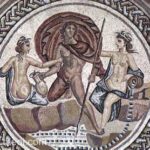 Nymphs-
In addition to the trident, Neptune is also associated with horses, which further emphasizes his dual role as a god of the sea and of equine creatures. The Romans believed that Neptune could create horses from the waves, and this ability was celebrated in various myths. He is often depicted riding a chariot pulled by magnificent horses, showcasing his mastery over both the sea and land. This connection to horses also made him a patron of horse racing, which was a popular sport in ancient Rome.
Myths and Legends
Numerous myths and legends surround Neptune, illustrating his character and the values of Roman society. One of the most famous stories involves the contest between Neptune and the goddess Minerva for the patronage of the city of Athens. According to the myth, both deities offered gifts to the citizens of Athens. Neptune struck the ground with his trident and produced a saltwater spring, symbolizing naval power. However, the citizens preferred Minerva’s gift of the olive tree, which provided food, oil, and wood. This story reflects the Roman appreciation for wisdom and agriculture over mere military might.
Another popular myth involves Neptune’s romantic escapades. He was known for his numerous love affairs with both goddesses and mortal women. One such story tells of his pursuit of the beautiful nymph Amphitrite, who initially fled from his advances. To win her love, Neptune sent out a dolphin to find her, and upon her return, she became his wife. This tale emphasizes Neptune’s passion and determination, traits that were admired by the Romans. The dolphin, as a symbol of Neptune’s love, also represents the harmony between man and the sea.
 Ops
OpsNeptune in Art and Culture
Neptune has been a popular subject in art and literature throughout history. Ancient Roman sculptures often depicted him as a majestic figure, complete with his trident and surrounded by marine creatures. These representations were not just for decoration; they served as reminders of his power and influence. Many Roman homes and public buildings featured mosaics and frescoes of Neptune, highlighting his importance in daily life.
In literature, Neptune appears in various works, including the epic poem “The Aeneid” by the Roman poet Virgil. In this poem, Neptune plays a crucial role in guiding and protecting the hero Aeneas on his journey to found Rome. The depiction of Neptune in literature often emphasizes his dual nature as both a protector and a formidable force of nature, embodying the unpredictability of the sea.
Festivals and Worship
The Romans held several festivals in honor of Neptune, which were important events in the Roman calendar. One of the most notable was the Neptunalia, celebrated on July 23rd. This festival was dedicated to Neptune and involved various rituals and celebrations to appease the god of the sea. During Neptunalia, people would gather at temples and altars to offer sacrifices, typically involving animals such as bulls and sheep. The festival included feasting, games, and even boat races, highlighting the connection between Neptune and the sea.
Another important festival was the Consualia, which celebrated Neptune’s role as a god of horses. This festival included horse races and games, showcasing the significance of equine creatures in Roman culture. The worship of Neptune was not limited to public festivals; many Romans also had personal altars in their homes to honor him, seeking his protection and favor in their maritime endeavors.
Neptune’s Influence on Modern Culture
Neptune’s legacy continues to influence modern culture in various ways. His image and symbolism are prevalent in art, literature, and even popular media. For example, many films and books featuring sea mythology draw inspiration from Neptune and his attributes. The character of Neptune often embodies themes of power, mystery, and the unpredictable nature of the ocean.
In addition to literature and film, Neptune’s influence can be seen in various place names and geographical features. Many bodies of water, such as rivers and lakes, are named after him, reflecting his enduring connection to the sea. Furthermore, the planet Neptune, discovered in the 19th century, was named in his honor, emphasizing the significance of this deity in both ancient and modern contexts.
Neptune in Astrology
In astrology, Neptune is associated with dreams, intuition, and the subconscious mind. It is considered a planet of inspiration and creativity, influencing artists, musicians, and writers. People born under the influence of Neptune are often seen as imaginative and sensitive, with a deep connection to their emotions. The planet is also linked to spirituality and the exploration of the unknown, encouraging individuals to seek deeper meanings in life.
Neptune’s astrological significance extends to its ruling over the zodiac sign Pisces. Those born under Pisces are believed to embody the qualities of Neptune, such as empathy, compassion, and a strong intuition. This connection to Neptune further solidifies the god’s influence on human creativity and emotional depth, making him a relevant figure even in contemporary discussions of personality and astrology.
Neptune remains a powerful symbol in both ancient and modern contexts. His dual role as the god of the sea and horses reflects the complexities of nature and the human experience. Through myths, art, and festivals, Neptune’s legacy continues to be celebrated, reminding us of the enduring power of mythology in shaping our understanding of the world.