
In Iroquois mythology, Gaoh is a significant figure known for his role in the creation and balance of the world. This deity is often depicted as a powerful being who has the ability to control various aspects of nature and life. Understanding Gaoh involves exploring the intricate beliefs of the Iroquois people, who are known for their rich cultural heritage and complex spiritual practices. The stories surrounding Gaoh not only illustrate the Iroquois understanding of the universe but also reflect their values and relationship with nature.
The Role of Gaoh in Iroquois Mythology
Gaoh is primarily recognized as a creator deity, embodying the forces of nature that shape the world. In the Iroquois belief system, Gaoh is often associated with the sky and is thought to influence weather patterns, agricultural cycles, and the overall health of the environment. This connection to nature underscores the Iroquois view that the natural world is alive and imbued with spiritual significance. Gaoh’s influence extends beyond just the physical realm; he also plays a crucial role in maintaining the balance between good and evil.
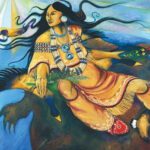 Dawn
DawnThe Iroquois people believed that Gaoh was responsible for creating both the earth and its inhabitants. According to various legends, he molded the first humans from the clay of the earth, breathing life into them. This act of creation signifies the intimate connection between Gaoh and humanity. The stories suggest that humans are not separate from nature but are an integral part of it, reflecting the Iroquois belief in the interconnectedness of all living things.
Symbolism and Attributes of Gaoh
Gaoh is often depicted with various symbols that represent his power and attributes. One of the most common symbols associated with Gaoh is the thunderbird. This majestic creature is believed to be a manifestation of Gaoh’s strength and authority over the skies. The thunderbird is also seen as a protector of the Iroquois people, warding off evil spirits and bringing rain to nourish the crops. The presence of the thunderbird in Iroquois mythology emphasizes the significance of birds in their culture, symbolizing freedom and spiritual connection.
Another important attribute of Gaoh is his connection to wisdom and knowledge. He is often portrayed as a wise figure who imparts guidance to those who seek it. This aspect of Gaoh’s character highlights the value the Iroquois placed on wisdom and the importance of seeking understanding in their lives. In various myths, characters who consult Gaoh or heed his advice often find themselves on a path to success and fulfillment.
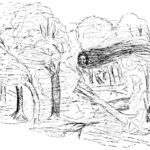 Flying Head
Gaoh and the Balance of Nature
The concept of balance is central to the Iroquois worldview, and Gaoh plays a vital role in maintaining this equilibrium. The Iroquois believe that every element of nature, from the smallest insect to the largest mountain, has its purpose and place within the grand scheme of life. Gaoh ensures that these elements coexist harmoniously, preventing chaos and destruction. This balance is not only physical but also spiritual, as Gaoh helps to mediate the relationship between humans and the natural world.
In Iroquois mythology, the forces of good and evil are often in constant conflict. Gaoh is seen as a stabilizing force, guiding the world towards harmony. The myths illustrate that when people stray from the path of balance, they may face dire consequences. For instance, if humans engage in excessive greed or exploitation of nature, Gaoh may respond by unleashing storms or droughts as a reminder of their responsibilities. This serves as a powerful lesson for the Iroquois, reinforcing the importance of living in accordance with nature.
Gaoh’s Influence on Agriculture
A significant aspect of Gaoh’s mythology is his connection to agriculture and the fertility of the land. The Iroquois people relied heavily on farming for their sustenance, and they believed that Gaoh’s blessings were essential for a bountiful harvest. Rituals and ceremonies were often held to honor Gaoh and to seek his favor for the growing season. These practices demonstrate the deep respect the Iroquois had for their environment and the deities they believed governed it.
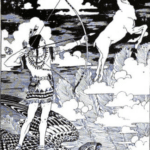 Sosondowah
One of the most important agricultural festivals among the Iroquois was the Green Corn Festival. During this time, the community would come together to celebrate the harvest and give thanks to Gaoh for his gifts. The festival included various rituals, feasting, and communal activities, emphasizing the collective nature of their relationship with the land. This celebration not only honored Gaoh but also reinforced social bonds within the community, highlighting the interconnectedness of culture, spirituality, and nature.
Legends and Stories of Gaoh
The mythology surrounding Gaoh is rich with stories that convey moral lessons and cultural values. One popular legend tells of how Gaoh created the first humans and taught them the importance of living in harmony with nature. According to the tale, Gaoh observed the struggles of his creations and decided to provide them with the tools they needed to thrive. He gifted them with seeds for planting, teaching them how to cultivate the land responsibly.
Another story highlights Gaoh’s role in restoring balance after a time of chaos. In this legend, the world was plunged into darkness due to the actions of a powerful evil spirit. The Iroquois people suffered greatly, facing famine and despair. In response, Gaoh descended from the heavens and confronted the evil spirit, engaging in a fierce battle. Ultimately, Gaoh triumphed, restoring light and balance to the world. This story emphasizes the themes of hope and resilience, showcasing Gaoh as a protector of the Iroquois people.
Gaoh in Modern Iroquois Culture
Even today, Gaoh continues to hold significance in the lives of many Iroquois people. His stories are passed down through generations, serving as a means of cultural preservation and education. The teachings associated with Gaoh remind the Iroquois of their deep connection to the land and the importance of respecting nature. In contemporary times, these values are more relevant than ever, as communities face environmental challenges and the consequences of climate change.
In addition to oral traditions, Gaoh’s influence can be seen in various forms of art, music, and literature within Iroquois culture. Artists often draw inspiration from the stories of Gaoh, creating works that celebrate the beauty of nature and the spiritual connection to the earth. These artistic expressions serve not only as a tribute to Gaoh but also as a means of educating others about Iroquois beliefs and values.
The Importance of Storytelling in Iroquois Culture
Storytelling is a vital aspect of Iroquois culture, serving as a way to transmit knowledge, values, and history. The tales of Gaoh are often shared during gatherings, ceremonies, and festivals, allowing community members to connect with their heritage. Through storytelling, the lessons associated with Gaoh become ingrained in the collective memory of the Iroquois people.
Moreover, storytelling fosters a sense of identity and belonging among the Iroquois. By sharing the legends of Gaoh, individuals reaffirm their connection to their ancestors and the natural world. This practice also encourages younger generations to engage with their cultural roots, ensuring that the teachings of Gaoh continue to resonate in the modern world.
Gaoh stands as a powerful figure in Iroquois mythology, representing the intricate relationship between humanity and nature. His role as a creator deity, protector, and source of wisdom underscores the values held by the Iroquois people. Through the stories and teachings associated with Gaoh, the Iroquois convey essential lessons about balance, respect for the environment, and the importance of community. As these stories are shared and celebrated, Gaoh’s legacy endures, reminding all of the profound connections that exist between the earth, its inhabitants, and the spiritual realm.