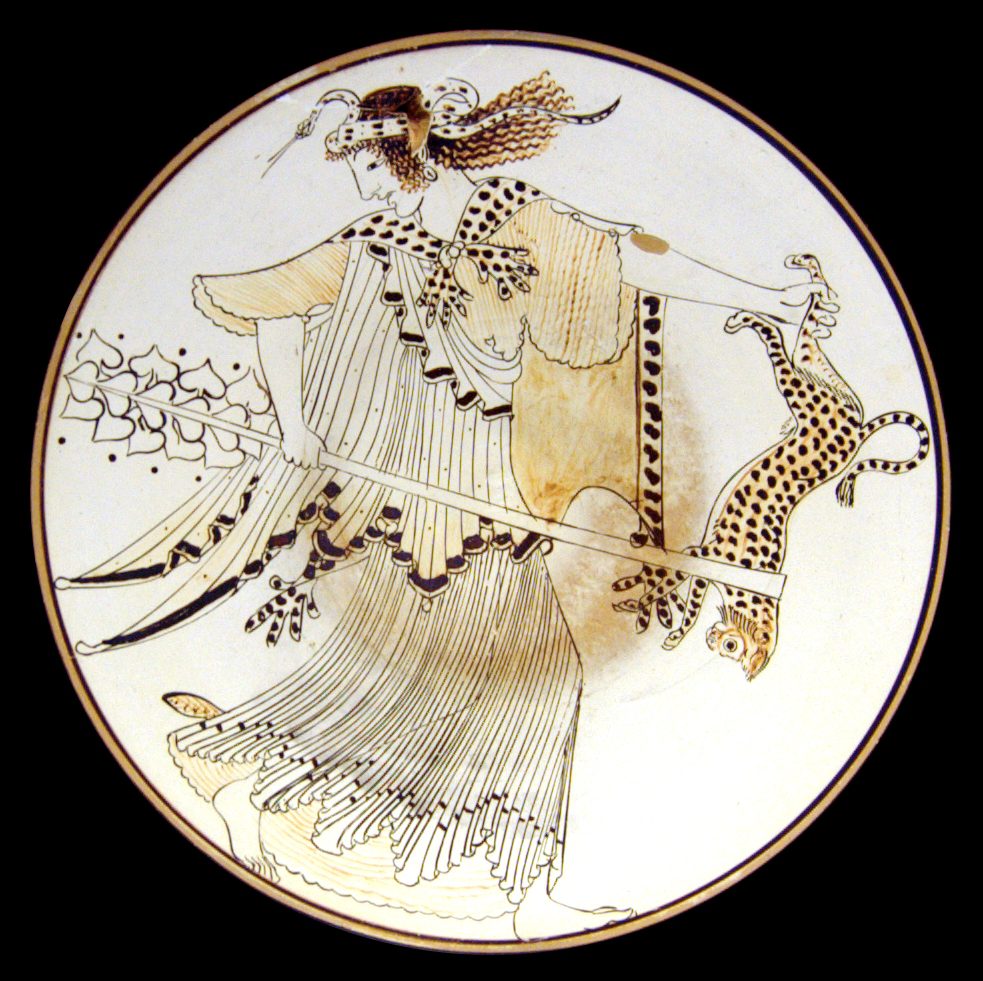
The Maenads, also known as the Thyiades, are fascinating figures in Greek mythology. They are often depicted as the female followers of Dionysus, the god of wine, fertility, and ritual madness. The Maenads are known for their ecstatic behavior and their connection to nature. They are frequently shown in art and literature as wild, frenzied women who partake in the Bacchanalia, which are festivals dedicated to Dionysus. This article explores the origins, characteristics, and cultural significance of the Maenads in ancient Greek society.
Origins of the Maenads
The origins of the Maenads can be traced back to ancient Greek religion and mythology. They are closely associated with the worship of Dionysus, who was a relatively late addition to the Greek pantheon. Dionysus represented not only wine but also the chaotic aspects of nature and the human psyche. The Maenads were believed to embody these qualities, participating in rituals that emphasized the duality of civilization and wildness. This connection to Dionysus was crucial in shaping their identity and role within Greek culture.
 Balius
According to myth, the Maenads were often depicted as being driven to madness by Dionysus. This madness was seen as a form of divine inspiration, allowing them to transcend the ordinary world. They were said to roam the mountains and forests, engaging in frenzied dances and rituals. The Maenads were sometimes described as having supernatural powers, which made them formidable figures in Greek mythology. Their origins reflect the importance of nature and the primal forces that were integral to ancient Greek beliefs.
Characteristics of the Maenads
The Maenads are characterized by their wild and ecstatic behavior, which is often depicted in ancient art. They are usually shown wearing flowing robes and adorned with ivy and grapevines, symbols of their connection to Dionysus. Their physical appearance often includes long, disheveled hair, and they are frequently portrayed carrying thyrsi, which are staff-like objects wrapped in ivy and topped with pine cones. This attire signifies their role as worshippers of the god of wine and fertility.
In addition to their appearance, the Maenads are known for their emotional intensity. They are depicted as being in a state of frenzy, embodying the concept of ekstasis, which means standing outside oneself. This state of being allowed them to experience a connection to the divine and to the natural world in a way that was both liberating and terrifying. Their frenzied dances and rituals often involved music, particularly the sounds of flutes and drums, which further enhanced their ecstatic experiences.
 Bellerophon
Symbolism of the Maenads
The Maenads symbolize several important themes in Greek mythology. One of the most significant is the idea of dualism. They represent the tension between civilization and nature, order and chaos. While Greek society valued reason and moderation, the Maenads embodied the wild and untamed aspects of human existence. This duality is central to the worship of Dionysus, who himself represents both the joy of wine and the darker aspects of intoxication and madness.
- Fertility: The Maenads are often associated with fertility and the life-giving aspects of nature. Their rituals were believed to promote agricultural abundance and ensure the fertility of the land.
- Transformation: The Maenads’ ability to enter a state of frenzy allows them to transform themselves and their surroundings. This theme of transformation is prevalent in many myths involving Dionysus.
- Freedom: The Maenads represent a form of freedom that is often at odds with societal norms. Their wildness challenges the constraints of civilization, allowing for a temporary escape from reality.
The Role of Maenads in Rituals
The Maenads played a central role in various rituals and festivals dedicated to Dionysus. These celebrations, known as the Bacchanalia, were marked by ecstatic dancing, music, and feasting. During these events, the Maenads would often perform rituals that involved sacrificing animals, which symbolized the life-death-rebirth cycle that was central to their worship. The rituals were intended to honor Dionysus and seek his favor for a bountiful harvest and fertility.
One of the most famous rituals associated with the Maenads is the Thysia, which involved the offering of sacrifices to the gods. The Maenads would gather in the wilderness, often on mountainsides, to engage in ecstatic dances and invoke the presence of Dionysus. This ritual emphasized their connection to nature and the wild, as they sought to experience the divine through their frenzied movements and communal celebrations. The Thysia was a time for the Maenads to release their inhibitions and embrace their wildness.
 Bia
BiaMaenads in Literature and Art
The Maenads have been a popular subject in ancient Greek literature and art. They appear in various works, including plays, poetry, and vase paintings. One of the most notable literary depictions of the Maenads is found in Euripides‘ play “The Bacchae.” In this tragedy, the Maenads, led by the character Agave, embody the themes of madness, vengeance, and divine retribution. The play explores the consequences of denying the power of the gods, particularly Dionysus, and highlights the dual nature of the Maenads as both nurturing and destructive forces.
In visual art, the Maenads are frequently depicted in dynamic poses, showcasing their ecstatic dances and wild abandon. Artists often used vibrant colors and flowing lines to capture the energy and movement associated with the Maenads. Vase paintings commonly show them in groups, dancing, playing musical instruments, or interacting with wild animals. These artistic representations reflect the cultural significance of the Maenads in ancient Greek society and their role in religious practices.
Influence on Later Cultures
The influence of the Maenads extends beyond ancient Greece. Their depiction of wildness and ecstasy has inspired various artistic and literary movements throughout history. In the Renaissance, artists and writers revisited the themes of Dionysian revelry, drawing parallels between the Maenads and the human experience of passion and madness. The idea of the ecstatic woman, as represented by the Maenads, can be seen in works of art that explore themes of liberation and the rejection of societal constraints.
- Romanticism: The Romantic movement embraced the idea of nature and emotion, often depicting figures reminiscent of the Maenads as symbols of freedom and passion.
- Modern Literature: Contemporary authors have drawn upon the imagery and symbolism of the Maenads to explore themes of femininity, power, and the complexities of human nature.
- Performance Art: The ecstatic rituals of the Maenads have influenced modern performance art, where artists seek to express primal emotions and challenge societal norms.
Maenads and Feminism
The Maenads have also been interpreted through a feminist lens, representing a form of female empowerment and liberation. In a patriarchal society, the Maenads symbolize women who reject societal constraints and embrace their wild, untamed nature. Their ecstatic behavior can be seen as a challenge to traditional gender roles, allowing women to express their desires and passions freely. This interpretation highlights the Maenads as figures of strength and autonomy, celebrating the power of femininity.
Modern feminist readings of the Maenads emphasize their role in challenging the status quo. They are often viewed as symbols of rebellion against male dominance and societal expectations. The Maenads’ connection to nature and the earth also aligns with contemporary feminist movements that advocate for environmental awareness and the reclamation of women’s connection to the natural world. This perspective fosters a deeper understanding of the Maenads as complex figures that embody both chaos and creation.
The Legacy of the Maenads
The legacy of the Maenads continues to resonate in modern culture. Their representation of wildness, ecstasy, and female empowerment has inspired various artistic expressions, from literature to visual arts. The themes associated with the Maenads, such as the duality of human nature and the celebration of life, remain relevant in contemporary discussions about identity and freedom. As society grapples with issues of gender and power, the Maenads serve as enduring symbols of the complexities of the human experience.
In recent years, the Maenads have also been referenced in popular culture, including films, music, and fashion. Their wild and liberated image has become a source of inspiration for artists seeking to explore themes of passion, rebellion, and femininity. This ongoing fascination with the Maenads reflects a broader cultural interest in the exploration of the self and the celebration of life’s primal forces.
Maenads in Popular Culture
The Maenads have made their mark in popular culture, appearing in various forms of media that explore their themes of ecstasy and wildness. They are often portrayed as figures of empowerment, representing the breaking of societal norms and the embrace of one’s true self. In literature, modern authors have drawn upon the imagery of the Maenads to create strong female characters who defy expectations and embrace their passions.
- Film: Several films have featured characters inspired by the Maenads, showcasing their wildness and emotional intensity.
- Music: Many songs reference the Maenads, using their imagery to convey themes of liberation and ecstatic experience.
- Fashion: The aesthetic associated with the Maenads, including flowing fabrics and nature-inspired designs, has influenced contemporary fashion trends.
the Maenads are rich and multifaceted figures in Greek mythology. Their wildness, ecstatic behavior, and connection to nature reflect important themes in ancient Greek culture and continue to inspire contemporary discussions about femininity, empowerment, and the human experience. As symbols of liberation and the primal forces of life, the Maenads remain relevant and powerful figures in both mythology and modern society.