
Ailill Mac Máta is a significant figure in Irish mythology, particularly within the context of the Táin Bó Cúailnge, or the Cattle Raid of Cooley. He is known as the king of Connacht and is often depicted as a strong and somewhat arrogant leader. Ailill’s character is complex; he embodies both the traits of a ruler who seeks power and a man who is deeply influenced by his relationships, especially with his wife, Queen Medb. The stories surrounding Ailill Mac Máta highlight themes of honor, conflict, and the dynamics of leadership in ancient Irish society.
The Role of Ailill in the Táin Bó Cúailnge
In the epic tale of the Táin Bó Cúailnge, Ailill Mac Máta plays a crucial role as the instigator of the conflict that leads to the raid on Ulster. He and Queen Medb desire to possess the prized brown bull of Cooley, which is owned by the people of Ulster. This bull symbolizes wealth and power, and Ailill’s ambition drives him to challenge Ulster’s warriors. The narrative illustrates how Ailill’s desire for the bull reflects his need to assert his dominance and validate his kingship, especially in comparison to Medb’s wealth.
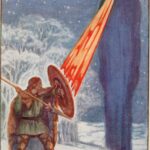 Ailill Olom
Ailill’s motivations are further complicated by his relationship with Medb. While he is a king in his own right, he often finds himself overshadowed by her formidable personality. Their partnership is marked by a balance of power, where Ailill seeks to prove his worthiness as a ruler. This tension is evident in their discussions and plans regarding the raid, as they navigate their ambitions and desires. Ailill’s character becomes a reflection of the struggle for power within their relationship, showcasing the dynamics of a royal couple in ancient Ireland.
Key Events Involving Ailill
- Ailill’s desire for the brown bull
- The conflict with the warriors of Ulster
- His relationship with Queen Medb
- Strategic planning for the raid
- Confrontations with Cú Chulainn
One of the most significant events in the Táin Bó Cúailnge is the moment Ailill and Medb decide to launch the raid. They gather an army, which includes many of the bravest warriors of Connacht. Ailill’s role as a leader is evident as he organizes the troops and prepares them for the challenges ahead. However, the raid is not merely a military endeavor; it is also a test of Ailill’s leadership skills and his ability to command respect among his peers. The narrative portrays Ailill as a capable leader, yet also as a man who is driven by his insecurities and his need to prove himself.
As the story progresses, Ailill encounters various challenges that test his resolve and leadership. One of the most notable confrontations is with the legendary hero Cú Chulainn, who defends Ulster against the invading forces. Cú Chulainn’s prowess in battle becomes a significant obstacle for Ailill and his army, forcing him to rethink his strategies. This aspect of the tale emphasizes the theme of heroism and the trials faced by leaders in times of conflict. Ailill’s interactions with Cú Chulainn also highlight the tension between personal ambition and the responsibilities of leadership.
 Ailill Ánglonnach
Ailill’s Relationships and Their Impact
The relationship between Ailill and Medb is a central theme in the Táin Bó Cúailnge. Medb is depicted as a powerful and ambitious queen, and her desires often drive the plot forward. Ailill’s role as her husband is both supportive and contentious. While he stands by her side, he also grapples with feelings of inadequacy, especially as Medb seeks to assert her own power. Their relationship is characterized by a blend of love, ambition, and rivalry, which adds depth to Ailill’s character.
Ailill’s interactions with Medb also reveal the societal norms of the time, particularly regarding gender roles and power dynamics. Medb is often portrayed as the more dominant figure, and Ailill’s need to validate his own authority leads to moments of tension between them. This dynamic serves as a commentary on the complexities of leadership and partnership in ancient Irish society. Ailill’s struggles to maintain his status as king while also supporting Medb’s ambitions reflect the challenges faced by many leaders.
Influence of Ailill’s Decisions
- His choice to engage in the cattle raid
- How his decisions affect the kingdom of Connacht
- The impact on Ulster’s warriors
- The consequences of his rivalry with Cú Chulainn
- The role of fate and prophecy in his actions
As Ailill makes critical decisions throughout the story, the consequences of his actions ripple through the narrative. His choice to engage in the cattle raid not only affects his own kingdom but also has far-reaching implications for Ulster and its warriors. The conflict leads to significant losses on both sides, highlighting the destructive nature of ambition and rivalry. Ailill’s decisions often lead to unforeseen consequences, which serve to illustrate the themes of fate and destiny in Irish mythology.
 Aífe
AífeMoreover, Ailill’s rivalry with Cú Chulainn becomes a focal point in the tale, as their encounters symbolize the clash between different ideals of heroism and leadership. Cú Chulainn’s fierce defense of Ulster contrasts with Ailill’s strategic yet ambitious approach. This rivalry is not merely personal; it reflects the larger conflicts between kingdoms and the struggle for power in ancient Ireland. Ailill’s decisions in this regard emphasize the notion that leadership is not just about making choices, but also about understanding the broader implications of those choices on one’s community and legacy.
The Legacy of Ailill Mac Máta
Ailill Mac Máta’s legacy is multifaceted, as he embodies the complexities of leadership, ambition, and relationships within the realm of Irish mythology. His story is not just about a king seeking power; it is also about the human experience of striving for recognition and respect. Ailill’s character serves as a reflection of the struggles faced by many leaders, both in myth and in reality. His interactions with Medb and Cú Chulainn illustrate the intricate balance between personal ambition and communal responsibility.
In the context of Irish mythology, Ailill represents the archetype of the ambitious leader whose desires lead to conflict. His legacy is preserved through the tales of the Táin Bó Cúailnge, where his actions continue to resonate with audiences. The themes of power, rivalry, and the consequences of one’s decisions remain relevant, offering valuable insights into the nature of leadership. Ailill’s story serves as a reminder of the complexities inherent in the pursuit of power and the importance of understanding the impact of one’s choices.
Ailill in Modern Culture
- Representations in literature
- Adaptations in film and theater
- The relevance of his story today
- Influence on contemporary discussions of leadership
- Symbolism in modern interpretations
In modern culture, Ailill Mac Máta continues to be a figure of interest, appearing in various forms of literature, film, and theater. His character has been adapted and reinterpreted to fit contemporary narratives, allowing audiences to engage with the themes of ambition and leadership in new ways. These adaptations often emphasize the timeless nature of his story, illustrating how the struggles for power and respect resonate with modern audiences.
The relevance of Ailill’s story today extends beyond mere entertainment; it invites discussions about leadership and the ethical implications of ambition. As leaders in various fields grapple with their own challenges, Ailill’s narrative serves as a cautionary tale about the potential consequences of unchecked ambition. The symbolism of Ailill’s character encourages reflection on the nature of leadership, highlighting the importance of balance, responsibility, and the impact of one’s decisions on others.