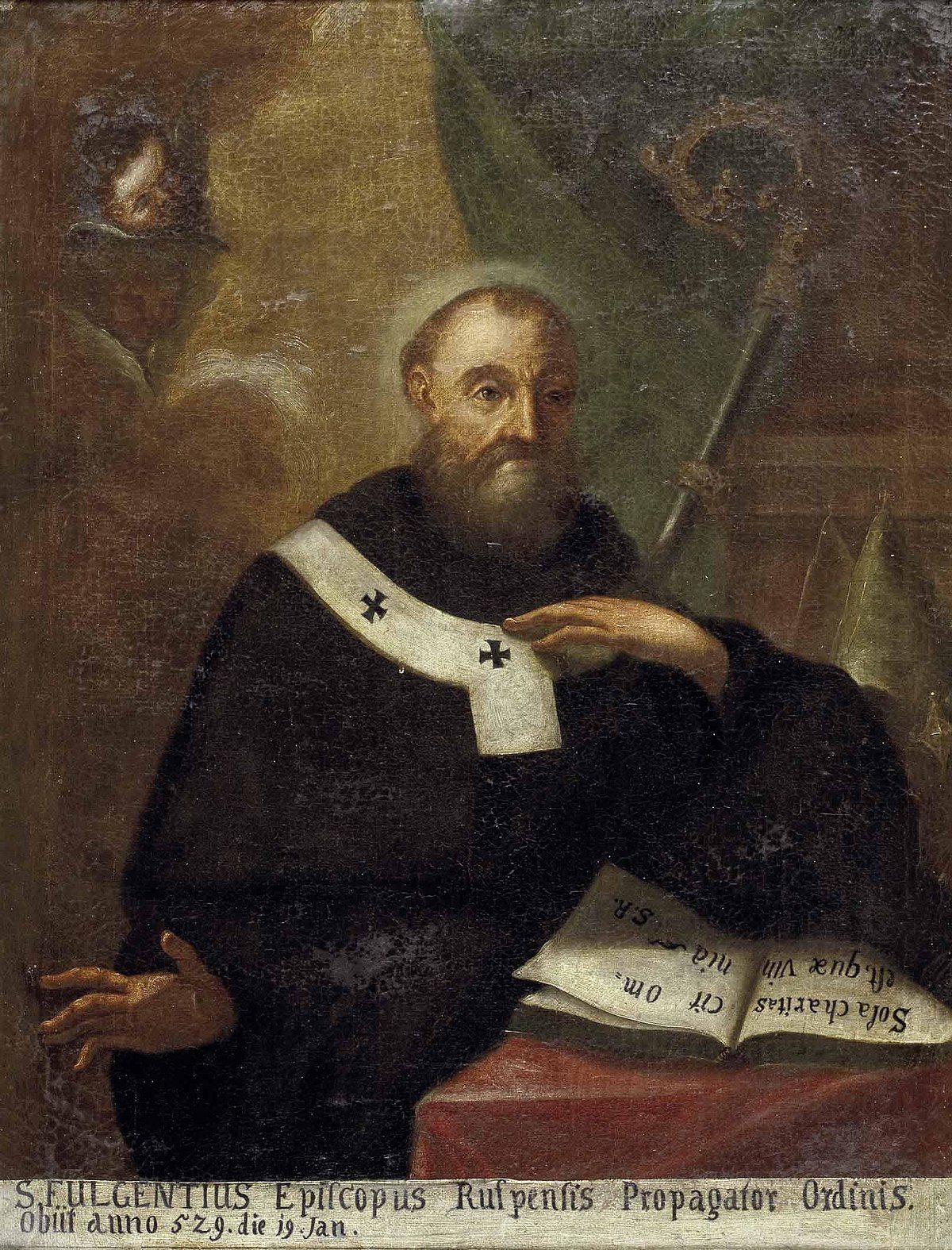
St. Fulgentius of Ruspe is a significant figure in Christian mythology and history, known for his deep theological insights and leadership within the Church during a turbulent period. He was born around the year 462 in North Africa, a region that was a melting pot of cultures and religious beliefs. His life and work were marked by a commitment to the Christian faith, particularly in the face of the challenges posed by the Arian heresy, which questioned the divinity of Christ. Fulgentius’ contributions to Christian doctrine and his role as a bishop are pivotal in understanding the evolution of early Christianity.
Early Life and Education
Fulgentius was born into a noble family, which provided him with access to a good education. He was likely exposed to various philosophical and religious teachings, which would later influence his theological writings. His early education included studies in rhetoric and philosophy, disciplines that were essential for anyone aspiring to become a leader in the Church. Fulgentius’ intellectual background equipped him with the tools to engage with the theological debates of his time effectively.
 St. Fulbert Of Chartres
After completing his education, Fulgentius experienced a profound religious conversion. This transformative moment led him to abandon his worldly pursuits and dedicate his life to monasticism. He joined a monastic community, where he deepened his understanding of Christian teachings and developed a strong spiritual life. His time in the monastery was crucial for shaping his future as a theologian and bishop. Fulgentius’ commitment to a monastic lifestyle was not just a personal choice; it reflected the growing trend of monasticism in the early Church, which emphasized a life of prayer, study, and community.
Becoming a Bishop
Fulgentius’ reputation as a learned and devout monk eventually led to his election as the Bishop of Ruspe, a position he accepted with humility and a sense of duty. As a bishop, he faced numerous challenges, including the spread of Arianism, which denied the full divinity of Jesus Christ. Fulgentius was staunchly opposed to Arianism, and he dedicated much of his episcopal ministry to combating this heresy. His theological writings, particularly his letters and treatises, were instrumental in articulating the orthodox Christian understanding of the nature of Christ.
His tenure as bishop was marked by significant pastoral care for his flock. Fulgentius was known for his ability to connect with the people, offering guidance and support during times of spiritual crisis. He emphasized the importance of the sacraments and the need for a strong, unified Church. Fulgentius’ leadership was characterized by a deep commitment to the teachings of the Church and a willingness to confront false doctrines. His efforts to promote orthodoxy contributed to the strengthening of the Christian community in North Africa.
 St. Frumentius
Theological Contributions
One of the most significant aspects of St. Fulgentius’ legacy is his theological writings. He produced a number of important works that addressed various theological issues of his time. His letters, in particular, are a rich source of information about early Christian thought and practice. Fulgentius wrote extensively on topics such as grace, free will, and the nature of the Church. His writings reflect a deep engagement with the Scriptures and the teachings of the early Church Fathers.
Fulgentius is often remembered for his strong emphasis on the concept of grace. He argued that human beings are entirely dependent on God’s grace for salvation. This idea was particularly important in the context of the theological debates surrounding free will and predestination. Fulgentius’ views on grace were influential in shaping later Christian thought, especially during the Reformation period when these issues were hotly debated.
Key Writings
- Letter to the Monks of the Monastery of the Holy Cross: In this letter, Fulgentius addressed the importance of monastic life and the need for a strong commitment to prayer and community.
- On the Trinity: In this work, he defended the orthodox understanding of the Trinity against Arian interpretations.
- Against the Arians: This treatise specifically targeted the Arian heresy, articulating a robust defense of Christ’s divinity.
Conflict and Exile
Fulgentius’ commitment to orthodoxy did not come without cost. His strong opposition to Arianism put him at odds with certain political and religious leaders of his time. As a result, he faced periods of conflict and exile. The political landscape in North Africa was complex, with various factions vying for power and influence. Fulgentius became a target for those who opposed his teachings, leading to his exile from Ruspe.
 St. Fridolin
During his time in exile, Fulgentius continued to write and correspond with his followers. His letters from this period reveal his unwavering faith and commitment to the truth of the Gospel. He encouraged his followers to remain steadfast in their beliefs, despite the challenges they faced. Fulgentius’ resilience during this difficult time is a testament to his character and dedication to the Christian faith. His experiences in exile also enriched his theological reflections, as he grappled with the realities of suffering and perseverance in the Christian life.
Legacy and Influence
The legacy of St. Fulgentius of Ruspe extends far beyond his lifetime. His theological contributions and pastoral leadership had a lasting impact on the Church in North Africa and beyond. After his death, Fulgentius was venerated as a saint, and his feast day is celebrated on January 1st. His writings continued to be studied and referenced by later theologians, influencing the development of Christian doctrine in subsequent centuries.
Fulgentius’ emphasis on the importance of grace and the nature of Christ became foundational for many Christian theologians who followed. His works were cited by notable figures such as St. Augustine, who was also a prominent bishop in North Africa. The theological debates that Fulgentius engaged in were crucial for the Church’s understanding of the nature of God and salvation. His influence can be seen in the writings of the Council of Chalcedon and other important theological developments in the early Church.
Conclusion of His Life
St. Fulgentius of Ruspe eventually returned from exile and continued his work as a bishop until his death, which is believed to have occurred around the year 533. His life was marked by a deep commitment to the Christian faith, a passion for theological clarity, and a pastoral heart for his people. Fulgentius’ ability to navigate the complexities of his time while remaining faithful to the teachings of Christ is a powerful example for Christians today.
His canonization and the continued remembrance of his contributions serve as a reminder of the importance of standing firm in one’s beliefs, even in the face of adversity. St. Fulgentius of Ruspe remains a beacon of faith, intellect, and resilience within the rich tapestry of Christian mythology and history.