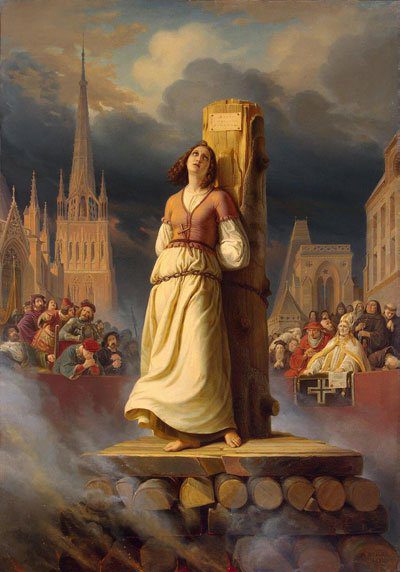
St. Joan of the Cross, also known as St. John of the Cross, is a significant figure in Christian mythology, particularly within the context of the Catholic Church. Born in 1542 in Spain, he became a prominent mystic and poet, whose writings have influenced countless individuals seeking a deeper connection with God. His life and teachings revolve around the themes of spiritual growth, faith, and the profound journey towards divine union. Understanding St. Joan of the Cross requires delving into his historical context, his spiritual teachings, and the impact he has had on Christian spirituality.
Early Life and Background
St. Joan of the Cross was born in a time of great religious upheaval in Europe. The Protestant Reformation was in full swing, leading to significant changes in the Catholic Church. Joan was born in the town of Fontiveros, in a humble family. His early life was marked by poverty and hardship, which shaped his understanding of suffering and spirituality. At the age of 21, he entered the Carmelite Order, seeking a life dedicated to prayer and contemplation.
 St. Jeanne De Lestonnac
During his time in the Carmelite Order, Joan experienced a deep spiritual awakening. He began to understand the importance of detachment from worldly things and the necessity of pursuing a life of simplicity and humility. His commitment to the Carmelite way of life was not just about following rules; it was about forming a deep, personal relationship with God. This relationship would later become the cornerstone of his teachings and writings.
Joan’s early experiences in the monastery also exposed him to the struggles of the Carmelite Order during a period of reform. He witnessed the tensions between the traditional practices of the Order and the need for a more contemplative approach to spirituality. This conflict would play a significant role in his later life, as he sought to balance the external practices of religion with the internal journey of the soul.
Spiritual Teachings
St. Joan of the Cross is perhaps best known for his writings on mystical theology. His most famous works include “The Ascent of Mount Carmel” and “The Dark Night of the Soul.” These texts explore the stages of spiritual development and the challenges that arise on the path to divine union. Joan emphasizes the need for purification and the importance of surrendering oneself to God’s will.
 St. Joan Of Arc
In “The Dark Night of the Soul,” Joan describes a process of spiritual purification that involves experiencing a profound sense of emptiness and detachment. This ‘dark night’ is not a place of despair, but rather a necessary phase that leads to a deeper understanding of God’s love. He explains that through this darkness, the soul is stripped of its attachments and distractions, allowing for a more authentic relationship with God to emerge.
Joan also speaks about the importance of love in the spiritual journey. He argues that true love for God transcends mere emotional attachment and requires a deep commitment to following God’s will. This love is often tested through trials and tribulations, but it is through these challenges that the soul is refined and prepared for a closer union with the Divine.
The Carmelite Reform
In 1568, St. Joan of the Cross, along with St. Teresa of Avila, initiated a reform of the Carmelite Order. This reform sought to return to a more austere and contemplative lifestyle, emphasizing the importance of prayer, solitude, and community. The reformed Carmelites aimed to create a space where individuals could fully dedicate themselves to their spiritual journey without the distractions of the world.
 St. John Baptist De La Salle
The reform faced significant opposition from those who were resistant to change within the Order. Many members were comfortable with the status quo and saw Joan and Teresa’s efforts as radical. Despite the challenges, Joan remained committed to the reform, believing that it was essential for the spiritual renewal of the Church. He traveled extensively, establishing new monasteries and encouraging others to embrace a life of deeper prayer and contemplation.
Joan’s efforts in the Carmelite reform were not without personal sacrifice. He faced persecution, imprisonment, and even physical abuse from those who opposed his vision. However, his unwavering faith and dedication to the reform inspired many to join the movement, leading to the establishment of the Discalced Carmelites, a branch of the Carmelite Order that adhered to a stricter observance of the Rule.
Legacy and Influence
The legacy of St. Joan of the Cross extends far beyond his lifetime. His writings have become foundational texts in Christian mysticism, influencing countless theologians, spiritual directors, and seekers of God. His profound insights into the nature of spirituality continue to resonate with individuals seeking a deeper understanding of their faith.
St. Joan’s emphasis on the inner journey and the necessity of purification has inspired many modern spiritual movements. His teachings encourage individuals to embrace the challenges of their spiritual path, understanding that these difficulties are essential for growth. His work has also been instrumental in bridging the gap between contemplative practices and active service in the world, demonstrating that both are vital aspects of a complete spiritual life.
Moreover, St. Joan of the Cross was canonized by the Catholic Church in 1726 and was declared a Doctor of the Church in 1926. This recognition underscores the significance of his contributions to Christian thought and spirituality. His feast day is celebrated on December 14, a time when many reflect on his teachings and seek to integrate them into their own spiritual practices.
Contemplative Practices Inspired by St. Joan of the Cross
Many individuals and communities have adopted contemplative practices inspired by the teachings of St. Joan of the Cross. These practices emphasize the importance of silence, solitude, and meditation as means of deepening one’s relationship with God. They encourage individuals to step away from the noise of everyday life and to enter into a space of quiet reflection.
- Silent Prayer: A practice that invites individuals to sit in silence, allowing God’s presence to permeate their hearts.
- Lectio Divina: An ancient method of prayerful reading of Scripture, focusing on listening for God’s voice in the text.
- Contemplative Walking: A form of prayer that combines movement with awareness of God’s creation, fostering a sense of connection with the divine.
These practices are not merely techniques; they are pathways to experiencing the profound love of God that St. Joan emphasized in his writings. By engaging in these contemplative practices, individuals can cultivate a deeper sense of peace and clarity, allowing them to navigate the complexities of life with grace and faith.
In addition to individual practices, many communities have embraced the spirit of St. Joan through retreats and workshops focused on spiritual growth. These gatherings often provide opportunities for participants to share their experiences, learn from one another, and deepen their understanding of the spiritual journey. Such communal experiences reflect the importance of community in the life of faith, as emphasized by St. Joan of the Cross.
Conclusion of St. Joan of the Cross’s Teachings
The teachings of St. Joan of the Cross remind us of the beauty and complexity of the spiritual journey. His emphasis on love, purification, and the necessity of a deep relationship with God resonates with believers across various denominations and traditions. Through his writings, he invites individuals to embrace the challenges of their spiritual lives, understanding that these trials can lead to profound transformation.
As we reflect on the life and teachings of St. Joan of the Cross, we are encouraged to seek a deeper connection with the Divine. His legacy serves as a guiding light for those navigating the often turbulent waters of faith, reminding us that the journey toward God is one of love, surrender, and ultimately, profound joy.