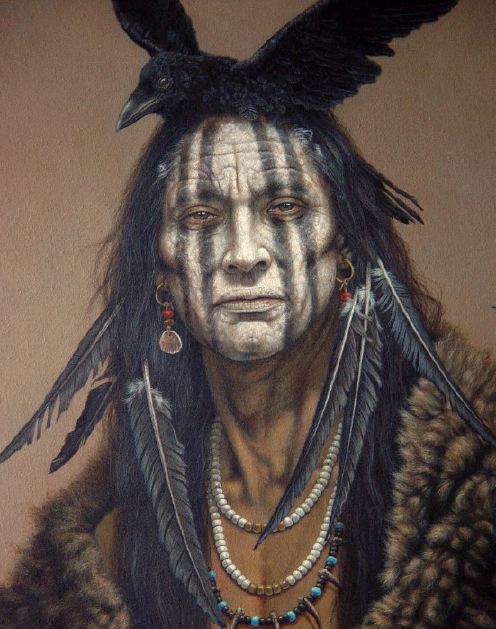
Chacomat is a fascinating figure in Native American mythology, particularly among the tribes of the southwestern United States. This character embodies a rich tapestry of stories and beliefs that reflect the culture, values, and traditions of the people who tell them. The narratives surrounding Chacomat often intertwine with themes of nature, creation, and the balance of life. As we explore the various aspects of Chacomat’s mythology, we will uncover the significance of this figure and how he plays a vital role in the spiritual and cultural landscape of Native American communities.
The Origins of Chacomat
The origins of Chacomat can be traced back to ancient Native American beliefs that explain the creation of the world and the forces that govern it. Many tribes have their own variations of the creation story, but Chacomat is often depicted as a powerful being associated with water, fertility, and agriculture. In these stories, Chacomat is sometimes portrayed as a god or spirit who has control over rain and the growth of crops. His presence is vital for the survival of the people, as water is a precious resource in the arid regions where many Native American tribes reside.
 Manabozho
In some accounts, Chacomat is described as emerging from the depths of the earth or the sky, signifying his connection to both the earth and the heavens. This duality highlights the importance of balance in nature, a theme that resonates deeply within Native American spirituality. The stories often emphasize that Chacomat’s actions directly influence the changing seasons, reminding the people of the interconnectedness of all living things.
Chacomat and the Elements
Chacomat is closely linked to the elements of nature, particularly water, which is essential for life. In many Native American cultures, water is not just a physical necessity but also a spiritual element. Chacomat’s ability to bring rain is celebrated in various rituals and ceremonies. These practices often involve offerings and prayers, asking for his favor to ensure a bountiful harvest and the well-being of the community. The reverence for Chacomat reflects a deep understanding of the cycles of nature and the need to live in harmony with the environment.
 Odziozo
Furthermore, Chacomat is sometimes associated with other natural phenomena, such as thunderstorms and floods. These events are seen as manifestations of his power and are treated with great respect. Tribes often tell stories of how Chacomat uses storms to cleanse the earth, creating a fertile ground for new life. This connection to the elements reinforces the idea that Chacomat is a guardian of the earth, a protector of the balance between destruction and creation.
Chacomat in Rituals and Ceremonies
Rituals and ceremonies play a crucial role in the worship of Chacomat. Many tribes hold seasonal festivals to honor him, especially during planting and harvest times. These events are marked by dance, music, and communal gatherings, where stories of Chacomat are shared, and the community comes together to celebrate their connection to nature. During these rituals, participants often wear traditional attire and perform dances that mimic the movements of rain and growth, symbolizing their hopes for prosperity.
In addition to festivals, some tribes conduct specific ceremonies to seek Chacomat’s blessing. These ceremonies may involve the use of sacred objects, such as feathers, stones, and plants, which are believed to carry spiritual significance. The elders of the tribe often lead these rituals, sharing their wisdom and knowledge about the importance of Chacomat and the lessons he embodies. Through these practices, the community reinforces its cultural identity and its commitment to honoring the forces of nature.
 Beaver
The Symbolism of Chacomat
Chacomat serves as a powerful symbol of life and renewal. His association with water and agriculture represents the cycle of growth, death, and rebirth that is fundamental to the natural world. This symbolism is particularly relevant in Native American cultures, where the relationship with the land is sacred. Chacomat reminds the people of the importance of respecting nature and understanding their place within it. His stories often convey moral lessons about sustainability and the need to care for the earth.
Moreover, Chacomat embodies the concept of balance. He represents not only the nurturing aspects of nature but also its destructive forces. The duality of his character teaches the importance of respecting both sides of nature’s power. Tribes often use his stories to explain the need for harmony in their lives, encouraging individuals to find balance within themselves and their communities. This lesson is particularly relevant in today’s world, where environmental issues and the consequences of human actions are increasingly apparent.
Chacomat in Contemporary Culture
In contemporary culture, Chacomat’s influence can still be seen in various forms of art, literature, and community practices. Many Native American artists draw inspiration from Chacomat’s stories, using them to create paintings, sculptures, and crafts that reflect their cultural heritage. These artworks often serve as a way to educate others about Native American mythology and the significance of figures like Chacomat. Through art, the stories are preserved and passed down to future generations.
Additionally, Chacomat is often referenced in educational programs aimed at promoting awareness of Native American cultures. Schools and community organizations may host events that focus on the teachings of Chacomat, using storytelling as a tool to engage students and foster understanding. By highlighting the importance of Chacomat and similar figures, these programs aim to bridge cultural gaps and promote respect for Native American traditions.
Chacomat and Environmental Stewardship
The teachings associated with Chacomat are increasingly relevant in discussions about environmental stewardship. As climate change and ecological degradation become pressing issues, the lessons of respecting and nurturing the earth resonate more than ever. Many Native American tribes view Chacomat as a model for sustainable living, emphasizing the need to honor natural resources and live in harmony with the environment. This perspective encourages a holistic approach to conservation, recognizing that human well-being is intrinsically linked to the health of the planet.
Tribes often advocate for policies that reflect these values, calling for protection of water sources, sustainable farming practices, and preservation of natural habitats. By invoking Chacomat’s teachings, they emphasize the importance of collective responsibility in caring for the earth. This advocacy not only seeks to address current environmental challenges but also aims to inspire future generations to carry on the tradition of stewardship that Chacomat represents.
Chacomat in Storytelling Traditions
Storytelling is a vital aspect of preserving the myths and legends surrounding Chacomat. Each tribe has its own unique versions of his story, often passed down orally from generation to generation. These stories serve multiple purposes: they entertain, educate, and instill cultural values. Through storytelling, the lessons of Chacomat are woven into the fabric of daily life, ensuring that the community remains connected to its heritage.
Many storytellers use vivid imagery and expressive language to bring Chacomat’s adventures to life. The stories often feature dramatic elements, such as battles with other spirits or quests for knowledge. These narratives not only captivate audiences but also provide insight into the beliefs and values of the tribe. As listeners engage with the tales, they are reminded of their responsibilities to the land and the importance of maintaining a harmonious relationship with nature.
Chacomat and Community Identity
Chacomat plays a significant role in shaping the identity of the communities that honor him. His stories and teachings help define the cultural landscape, providing a sense of belonging and continuity. For many Native American tribes, Chacomat is not just a mythological figure; he is a symbol of resilience and strength. The narratives surrounding him serve to unite the community, reinforcing shared values and traditions.
Through festivals, ceremonies, and storytelling, the legacy of Chacomat is kept alive. These practices foster a sense of pride in cultural heritage, encouraging individuals to embrace their identity and pass it on to future generations. In this way, Chacomat serves as a reminder of the enduring connection between the people, their history, and the natural world.
The Future of Chacomat’s Legacy
The legacy of Chacomat is likely to endure as long as there are people willing to share his stories and teachings. As Native American communities continue to navigate the challenges of modern life, the wisdom embodied in Chacomat’s mythology can provide guidance and inspiration. His emphasis on balance, respect for nature, and community interconnectedness offers valuable lessons that are relevant across cultures.
Efforts to preserve and promote Native American mythology, including the stories of Chacomat, are essential for ensuring that these traditions are not lost. Educational initiatives, cultural exchanges, and community gatherings all play a role in keeping the spirit of Chacomat alive. As awareness of Native American issues grows, so too does the opportunity to celebrate and honor figures like Chacomat, ensuring that their teachings continue to resonate in the hearts and minds of future generations.