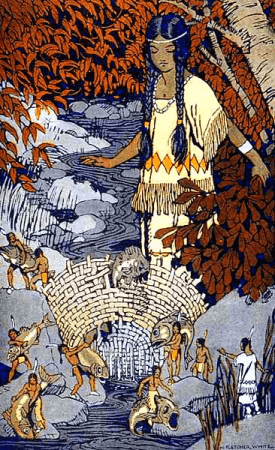
The term whee-me-me-ow-ah refers to a fascinating aspect of Native American mythology. This concept is deeply rooted in the traditions and beliefs of various Indigenous tribes across North America. Myths and legends play a crucial role in the cultural fabric of these communities, providing insights into their values, spirituality, and the natural world around them. Through stories, they convey lessons, morals, and the significance of nature, all of which are integral to their identity. In this article, we will explore the various dimensions of whee-me-me-ow-ah, its meanings, and its implications in Native American culture.
Understanding Whee-me-me-ow-ah
The term whee-me-me-ow-ah is often associated with the spiritual beliefs of certain Native American tribes, particularly those from the Great Plains region. It embodies the idea of a mystical being or spirit that represents the connection between humans and the natural world. This spirit is believed to guide individuals through their life journeys, helping them understand their purpose and place within the universe. The concept of whee-me-me-ow-ah can be seen as a reminder of the importance of harmony with nature and respect for all living things.
 Glooskap
In many Native American cultures, spirits and mythical creatures are central to their understanding of the world. They often depict these beings in their art, storytelling, and rituals. The whee-me-me-ow-ah spirit is often characterized by its playful and wise nature, embodying qualities such as compassion, intelligence, and strength. Through the stories of this spirit, tribes convey important life lessons, emphasizing the need for balance and respect for the earth.
Whee-me-me-ow-ah in Native American Stories
Many stories involving whee-me-me-ow-ah are passed down through generations, often told during ceremonies or gatherings. These narratives serve not only as entertainment but also as a means of teaching younger generations about their heritage and the values of their people. The stories are rich in symbolism and often include elements of nature, animals, and human experiences.
- Creation Stories: Many tribes incorporate the whee-me-me-ow-ah spirit into their creation myths, explaining how the world came to be and the role of humans within it.
- Life Lessons: Stories often highlight the importance of kindness, community, and cooperation, demonstrating how the spirit influences personal growth.
- Connection to Nature: The whee-me-me-ow-ah spirit is often depicted as a guardian of nature, reminding people of their responsibilities towards the environment.
One popular story features the whee-me-me-ow-ah guiding a young hunter who is lost in the woods. The spirit appears to him in the form of a wise old owl, teaching him to listen to the sounds of the forest and respect the animals around him. Through this encounter, the hunter learns valuable lessons about patience, humility, and the interconnectedness of all life.
 Ehlaumel
The Role of Rituals and Ceremonies
Rituals and ceremonies are significant in Native American culture, serving as a way to honor the whee-me-me-ow-ah spirit and seek its guidance. These events often involve the entire community and are characterized by various elements such as song, dance, and prayer. The intention behind these gatherings is to create a spiritual connection with the divine and to express gratitude for the blessings received.
During these ceremonies, participants may engage in specific practices that symbolize their respect for the whee-me-me-ow-ah. This can include offerings to the spirit, storytelling sessions, and the sharing of traditional foods. Such activities help reinforce community bonds and foster a sense of belonging among tribe members.
Types of Rituals Involving Whee-me-me-ow-ah
- Vision Quests: Individuals may undertake a vision quest to seek guidance from the whee-me-me-ow-ah spirit, often involving a period of fasting and solitude in nature.
- Seasonal Festivals: Many tribes hold festivals to celebrate the changing seasons, where the whee-me-me-ow-ah is honored for its role in the cycle of life.
- Healing Ceremonies: The spirit is often invoked during healing rituals, with the belief that it can provide strength and support to those in need.
These rituals not only serve to honor the whee-me-me-ow-ah but also strengthen the tribe’s cultural identity. By participating in these traditions, community members reaffirm their connection to their ancestors and the natural world.
 Dzoavits
The Influence of Whee-me-me-ow-ah on Art and Culture
The whee-me-me-ow-ah spirit has significantly influenced Native American art and culture. Many artists draw inspiration from the stories and symbols associated with this spirit, creating works that reflect its essence. This can be seen in various forms of art, including paintings, sculptures, and textiles.
In visual art, the representation of the whee-me-me-ow-ah often includes motifs of nature, such as animals, plants, and celestial bodies. These elements symbolize the interconnectedness of all living things and the importance of harmony within the ecosystem. Artists strive to capture the spirit’s playful yet wise nature, often using vibrant colors and dynamic compositions to evoke a sense of movement and life.
Forms of Artistic Expression
- Pictographs: Many Native American tribes have created pictographs that depict stories of the whee-me-me-ow-ah, serving as visual narratives of their beliefs.
- Beadwork: Traditional beadwork often incorporates symbols associated with the spirit, showcasing intricate designs that tell a story.
- Pottery: Pottery often features imagery related to the whee-me-me-ow-ah, blending functionality with cultural expression.
The influence of whee-me-me-ow-ah extends beyond visual arts. In literature, many contemporary Native American authors explore themes related to this spirit, weaving its significance into their narratives. These stories not only preserve cultural heritage but also offer insights into the ongoing relationship between Indigenous peoples and the natural world.
Modern Interpretations of Whee-me-me-ow-ah
In recent years, there has been a resurgence of interest in Native American spirituality and mythology, including the concept of whee-me-me-ow-ah. Many Indigenous individuals and communities are reclaiming their traditions and sharing them with broader audiences. This movement aims to educate others about the richness of Native American cultures and the significance of their beliefs.
Modern interpretations of whee-me-me-ow-ah often emphasize the importance of environmental stewardship and sustainability. As climate change and environmental degradation become pressing global issues, the teachings associated with this spirit are increasingly relevant. Many Native American leaders advocate for a return to traditional practices that honor the earth and promote a harmonious relationship with nature.
Contemporary Applications
- Environmental Activism: Many Native American activists draw on the teachings of whee-me-me-ow-ah to advocate for the protection of sacred lands and natural resources.
- Education Initiatives: Programs that educate people about Indigenous beliefs often include discussions about the whee-me-me-ow-ah and its teachings.
- Cultural Revitalization: Efforts to revive traditional practices often highlight the role of the whee-me-me-ow-ah in fostering community and respect for nature.
These modern interpretations reflect a growing recognition of the wisdom embedded in Native American mythology. The whee-me-me-ow-ah serves as a powerful symbol of the need for balance, respect, and understanding in an increasingly complex world.
The Legacy of Whee-me-me-ow-ah
The legacy of whee-me-me-ow-ah is profound, impacting not only Indigenous communities but also those outside of them. The stories and teachings associated with this spirit continue to resonate, providing valuable lessons about our connection to the earth and each other. As more people become aware of Native American mythology, the significance of the whee-me-me-ow-ah is likely to endure.
Through storytelling, art, and cultural practices, the spirit of whee-me-me-ow-ah remains alive, inspiring new generations to appreciate the beauty of nature and the importance of living in harmony with it. As we reflect on the teachings of this spirit, we are reminded of our shared responsibility to care for the earth and foster connections with one another.
Preserving the Spirit’s Teachings
- Community Engagement: Many tribes encourage community involvement in preserving their cultural heritage, including the stories and rituals associated with whee-me-me-ow-ah.
- Intercultural Dialogue: Initiatives that promote understanding between Indigenous and non-Indigenous communities often include discussions about the whee-me-me-ow-ah and its relevance today.
- Documentation of Oral Traditions: Efforts to document oral histories ensure that the teachings of whee-me-me-ow-ah are not lost and can be shared with future generations.
Ultimately, the legacy of whee-me-me-ow-ah serves as a testament to the enduring power of storytelling and the importance of cultural preservation. Through continued exploration and understanding of these myths, we can foster a deeper appreciation for the wisdom of Native American traditions and the lessons they offer for our contemporary world.