
Na Kaa is a significant figure in Micronesian mythology, representing a complex blend of cultural beliefs and traditions that have shaped the identity of the region. This figure is often associated with the creation of the islands and the natural world surrounding them. The stories of Na Kaa are passed down through generations, reflecting the values, beliefs, and history of the Micronesian people. Understanding Na Kaa requires delving into the rich tapestry of myths and legends that characterize Micronesia, where oral traditions play a vital role in preserving cultural heritage.
The Role of Na Kaa in Creation Myths
In Micronesian creation myths, Na Kaa is often depicted as a creator deity or a powerful spirit involved in the formation of the islands. The narratives surrounding Na Kaa vary among different islands and cultures, but they share common themes. For instance, some stories describe Na Kaa as having the ability to shape the land, bringing forth mountains, valleys, and bodies of water. This shaping of the physical world is not just a matter of geography; it symbolizes the deep connection between the people and their environment.
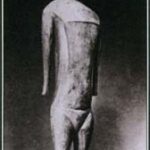 Motikitik
According to various legends, Na Kaa used natural elements to create the islands. For example, in some tales, Na Kaa is said to have gathered earth, water, and air to mold the islands from the sea. This act of creation reflects the Micronesian understanding of the world as an interconnected system, where every element plays a role in sustaining life. The islands are not merely land masses; they are seen as living entities with their own spirits and stories.
Variations Across Micronesia
- In Pohnpei, Na Kaa is often associated with the creation of specific islands.
- In Chuuk, stories may emphasize Na Kaa’s role in the formation of the ocean and its creatures.
- In Kosrae, Na Kaa is linked to the agricultural practices and fertility of the land.
These variations highlight the diverse interpretations of Na Kaa and the localized beliefs that exist within Micronesia. Each island community adds its own flavor to the stories, making Na Kaa a dynamic figure in the mythology. This adaptability ensures that the myths remain relevant to the lives of the people, allowing them to draw lessons and insights from the tales.
Na Kaa and the Natural World
Na Kaa is not only a creator figure but also a guardian of the natural world. Many legends emphasize the importance of respecting nature and understanding the balance of ecosystems. In these stories, Na Kaa teaches the people how to live in harmony with their environment. This relationship is crucial in Micronesian culture, where the survival of communities often depends on their ability to maintain sustainable practices.
 Lugeilan
One of the prominent themes in the myths involving Na Kaa is the connection between humans and the land. The stories often convey the message that the land provides for the people, and in return, they must take care of it. This reciprocity is a central tenet in many Micronesian cultures, where over-exploitation of resources is viewed as a violation of the sacred bond between humans and nature.
Lessons from Na Kaa
- Respect for the environment is paramount.
- Every creature has a role in the ecosystem.
- Balance and sustainability are essential for survival.
Through Na Kaa’s teachings, communities learn the importance of conservation and the need to protect their natural resources. The myths serve as a guide for responsible living, emphasizing that the well-being of future generations relies on the choices made today. This wisdom is particularly relevant in the context of modern challenges, such as climate change and environmental degradation.
Na Kaa in Cultural Practices
The figure of Na Kaa extends beyond mythology into the everyday lives of Micronesians. Many cultural practices, rituals, and festivals are inspired by the stories of Na Kaa. These practices often involve ceremonies that honor the land, the sea, and the spirits associated with them. For instance, certain agricultural rituals may be performed to seek Na Kaa’s blessings for a bountiful harvest.
 Loa
LoaIn addition to agricultural practices, Na Kaa is often invoked in rituals related to fishing and navigation. Given the significance of the ocean in Micronesian culture, respecting the spirit of Na Kaa is essential for ensuring safe travels and successful fishing trips. Fishermen may offer prayers or perform rituals before heading out to sea, seeking guidance and protection from Na Kaa.
Festivals and Ceremonies
- Harvest festivals celebrate the bounty of the land.
- Fishing ceremonies honor the ocean and its resources.
- Rituals of thanksgiving express gratitude to Na Kaa.
These festivals are not only opportunities for celebration but also serve as communal gatherings where stories of Na Kaa are shared. Elders pass down knowledge to the younger generations, ensuring that the cultural heritage remains alive. Through these practices, the teachings of Na Kaa continue to shape the values and identities of the people.
The Symbolism of Na Kaa
Na Kaa embodies various symbols that resonate deeply within Micronesian culture. As a creator and guardian, Na Kaa represents the interconnectedness of life. The stories emphasize that all elements of nature—land, sea, and sky—are intertwined, and the actions of one can impact the others. This symbolism is crucial for understanding the Micronesian worldview, where humans are seen as part of a larger system rather than separate from it.
Furthermore, Na Kaa is often associated with strength and resilience. The myths recount tales of challenges faced by the people and how they overcame them with the guidance of Na Kaa. This aspect of the mythology serves as a source of inspiration, reminding individuals of their ability to navigate difficulties and emerge stronger. The stories encourage a sense of hope and perseverance, essential traits in the face of adversity.
Interpreting Na Kaa’s Symbolism
- Interconnectedness highlights the importance of community.
- Strength symbolizes resilience in facing challenges.
- Guardianship reflects the responsibility towards nature.
Through the lens of Na Kaa, individuals learn that their actions have consequences, not just for themselves but for their communities and the environment. This understanding fosters a sense of responsibility and encourages sustainable practices that benefit everyone. The stories of Na Kaa continue to inspire individuals to reflect on their roles within the larger context of life.
Na Kaa and Modern Challenges
As Micronesian societies face modern challenges such as climate change, urbanization, and globalization, the figure of Na Kaa remains relevant. The teachings and values associated with Na Kaa provide a framework for addressing these issues. Many communities are looking to their cultural heritage as a source of strength and guidance in navigating the complexities of the modern world.
For instance, the emphasis on sustainability in the stories of Na Kaa resonates strongly in the context of environmental conservation efforts. As rising sea levels threaten island communities, the lessons of living in harmony with nature become increasingly important. Communities are revisiting traditional practices and integrating them with modern approaches to create sustainable solutions.
Reviving Cultural Practices
- Communities are engaging in traditional farming methods.
- Fishing practices are being adapted to ensure sustainability.
- Education programs are incorporating myths like Na Kaa to teach environmental stewardship.
By reviving these cultural practices, communities not only honor their heritage but also equip themselves to face contemporary challenges. The stories of Na Kaa serve as a reminder that wisdom from the past can inform present actions, guiding individuals and communities toward a more sustainable future.
Na Kaa in Art and Literature
The influence of Na Kaa extends into various forms of art and literature across Micronesia. Artists and writers draw inspiration from the myths to create works that reflect their cultural identity and heritage. Traditional art forms often depict scenes from the stories of Na Kaa, showcasing the beauty and complexity of the natural world. These artistic expressions serve as a means of storytelling, preserving the myths for future generations.
In literature, authors explore the themes of Na Kaa through poetry, short stories, and novels. The narratives often weave together the past and present, illustrating how the teachings of Na Kaa continue to resonate in contemporary society. By incorporating elements of Micronesian mythology, writers contribute to the ongoing dialogue about identity, culture, and the environment.
Artistic Expressions
- Traditional paintings depict the landscapes shaped by Na Kaa.
- Storytelling performances bring the myths to life.
- Literary works explore the themes of creation and guardianship.
These artistic expressions not only celebrate the figure of Na Kaa but also serve as a means of cultural preservation. They encourage younger generations to engage with their heritage, fostering a sense of pride and belonging. Through art and literature, the stories of Na Kaa continue to inspire and educate, bridging the gap between tradition and modernity.
The Legacy of Na Kaa
The legacy of Na Kaa is profound, shaping the cultural landscape of Micronesia. As a symbol of creation, guardianship, and resilience, Na Kaa embodies the values that define Micronesian identity. The stories surrounding Na Kaa serve as a reminder of the importance of connection—between people, nature, and the cosmos. This legacy is not static; it evolves as communities adapt to changing circumstances while holding onto the core principles that have guided them for generations.
In the face of globalization and cultural homogenization, the figure of Na Kaa becomes a source of strength for Micronesian communities. It encourages them to celebrate their unique heritage and resist the pressures to conform to outside influences. By embracing their myths and traditions, communities can assert their identity and ensure that the teachings of Na Kaa remain a vital part of their lives.
Continuing the Tradition
- Community gatherings celebrate the stories of Na Kaa.
- Educational programs teach the significance of the myths.
- Artistic initiatives promote cultural expression related to Na Kaa.
Through these efforts, the legacy of Na Kaa endures, providing guidance and inspiration for future generations. The myths serve as a foundation for cultural identity, reminding individuals of their place within the larger tapestry of life. As Micronesians navigate the challenges of the modern world, the teachings of Na Kaa continue to resonate, offering wisdom that transcends time and circumstance.