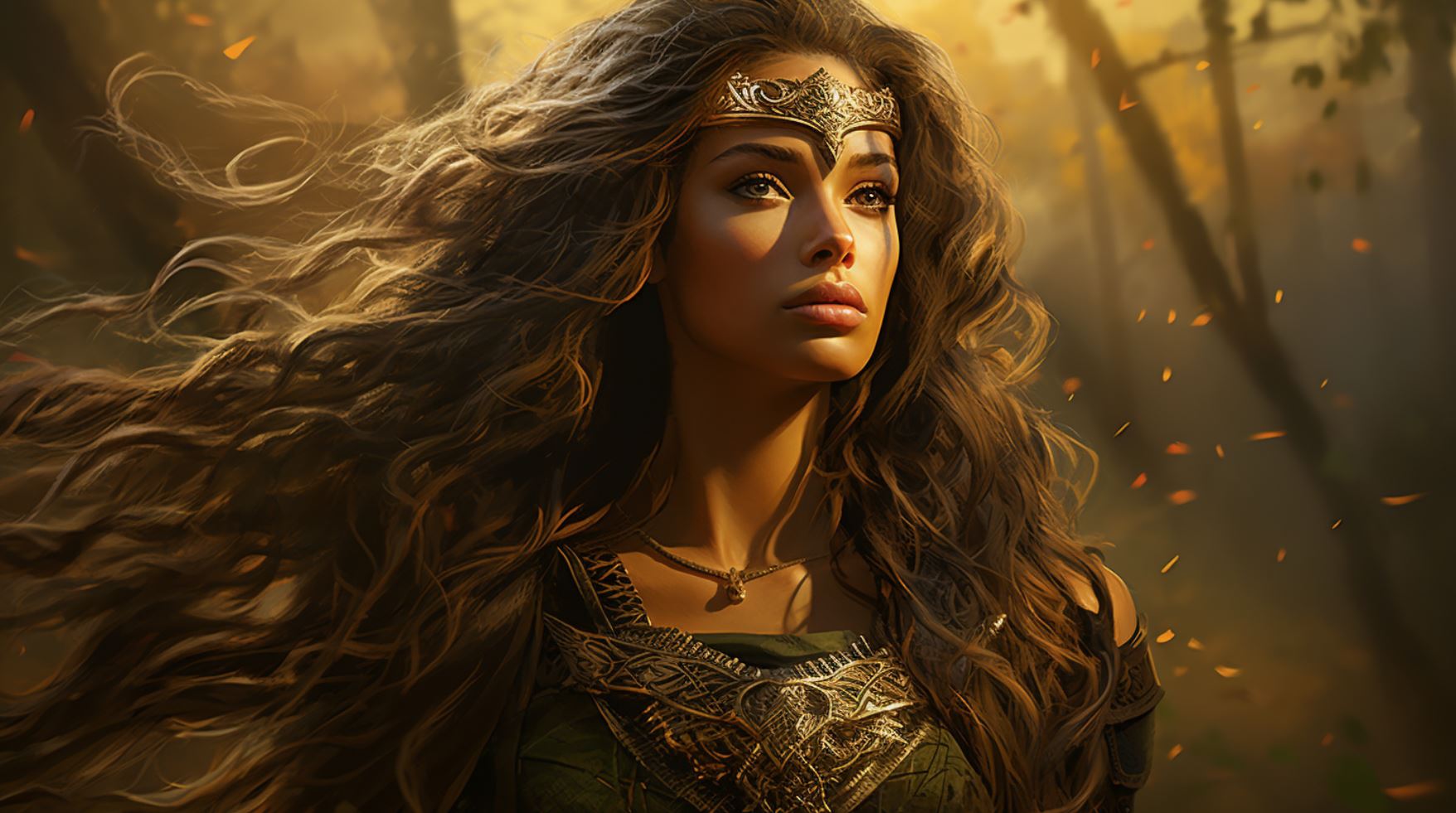
Cathubodua is a significant figure in Gaulish mythology, representing a powerful goddess associated with war and the hunt. She is often depicted as a protectress of warriors and a symbol of strength and ferocity. Her name can be translated to mean “battle crow,” which highlights her connection to both warfare and birds of prey, particularly crows and ravens. In Gaulish culture, birds were often seen as omens, and Cathubodua’s association with them signifies her role in guiding the fates of warriors on the battlefield. The mythology surrounding Cathubodua reveals much about the values and beliefs of the Gaulish people, particularly regarding honor, bravery, and the supernatural.
Origins of Cathubodua
The origins of Cathubodua can be traced back to the ancient Celtic tribes that inhabited the region of Gaul, which is present-day France and parts of Belgium, Switzerland, and Italy. These tribes had a rich oral tradition, and their deities often embodied the elements of nature, war, and life. Cathubodua stands out among these deities due to her dual nature as both a goddess of war and a protector of nature. The Gauls believed that she could influence the outcomes of battles and that her presence on the battlefield could turn the tide in favor of her followers.
 Borvo
BorvoMany scholars believe that the worship of Cathubodua may have been influenced by earlier Indo-European traditions, where female deities were often associated with warfare. Her fierce persona resonates with the characteristics of warrior goddesses found in other cultures, such as the Valkyries in Norse mythology. This suggests a shared understanding of the role of women in warfare and their divine connection to the fate of warriors. As the Gaulish tribes came into contact with other cultures, Cathubodua’s story likely evolved, incorporating new elements while retaining her core attributes.
Iconography and Symbols
Cathubodua is often depicted in various forms of art and sculpture, which provide insight into how she was perceived by the Gauls. One of the most common representations of Cathubodua includes imagery of crows or ravens, which are significant symbols in many mythologies. These birds are not only seen as omens of death but also as messengers between the worlds of the living and the dead. The crow, in particular, is associated with the battlefield, where it feeds on the fallen, thus connecting Cathubodua to the cycle of life and death.
- Crows: Symbolizing her connection to war and fate.
- Weapons: Often depicted with spears or swords, emphasizing her role as a warrior goddess.
- Nature: Sometimes shown surrounded by elements of nature, highlighting her dual role as a protector of both warriors and the natural world.
In addition to birds, Cathubodua is also associated with various weapons, such as swords and spears. These weapons symbolize her fierce nature and her ability to protect her followers in battle. The combination of these symbols illustrates her multifaceted character, serving both as a warrior and a guardian. Moreover, her depictions often convey a sense of strength and authority, with her figure portrayed as powerful and commanding. This representation underscores the importance of female deities in the Gaulish pantheon, particularly in matters of war and protection.
 Bormana
Cult and Worship
The worship of Cathubodua was likely widespread among the Gaulish tribes, especially those with a strong warrior culture. Temples and shrines dedicated to her would have been common in areas where battles were fought, serving as places for warriors to seek her favor before going into combat. The rituals associated with her worship would have included offerings of food, weapons, and perhaps even sacrifices, all intended to gain her protection and blessings. These practices illustrate the deep reverence that the Gauls had for Cathubodua and the importance of her role in their society.
Warriors would often invoke Cathubodua’s name before battles, believing that she could influence the outcome in their favor. This practice highlights the interconnection between religion and warfare in Gaulish culture, where divine favor was considered crucial for victory. The presence of her symbols in battle gear, such as shields and helmets, indicates that warriors sought to carry her protection into the fray. This blend of faith and martial prowess showcases the significance of Cathubodua in the lives of those who sought her guidance.
Legends and Stories
Numerous legends surround Cathubodua, many of which emphasize her fierce nature and protective qualities. One popular story involves her appearing on the battlefield in the form of a crow, guiding her followers to victory by inspiring them with courage and strength. In this tale, her presence not only boosts the morale of the warriors but also instills fear in their enemies, who believe that the goddess herself is fighting alongside her chosen ones. Such stories served to reinforce the belief in her divine intervention during crucial moments of conflict.
 Belisama
Another legend tells of Cathubodua rescuing a young warrior who had been left for dead after a fierce battle. As the warrior lay on the ground, Cathubodua appeared to him in a vision, offering him the strength to rise and fight again. With her guidance, the warrior was able to rally his comrades and turn the tide of the battle in their favor. This story illustrates not only her role as a protector but also her ability to inspire hope and resilience in those who worship her. The connection between Cathubodua and the individual warrior highlights the personal relationship that followers could have with their deities.
Cathubodua in Modern Culture
In recent years, there has been a resurgence of interest in Gaulish mythology, including the figure of Cathubodua. Modern interpretations often seek to reclaim and celebrate the rich cultural heritage of the Celtic peoples. Various forms of art, literature, and even role-playing games have drawn inspiration from Cathubodua, portraying her as a powerful and complex character. This modern representation emphasizes her dual nature as both a fierce warrior and a nurturing protector, resonating with contemporary themes of empowerment and strength.
Moreover, some modern neopagan movements have embraced Cathubodua as a goddess to be venerated, incorporating her into rituals and celebrations. These practices often focus on themes of warrior spirit, nature, and the balance between destruction and creation. By honoring Cathubodua, practitioners seek to connect with their ancestral roots and acknowledge the strength that women can embody, particularly in times of conflict. This revival reflects a broader trend of reclaiming and reinterpreting ancient mythologies to resonate with modern values and beliefs.
Comparative Mythology
Cathubodua’s role as a warrior goddess can be compared to similar figures in other mythologies around the world. In Norse mythology, for example, the Valkyries serve a similar purpose, choosing those who will die in battle and guiding them to the afterlife. Both Cathubodua and the Valkyries represent the connection between warfare and the divine, highlighting the belief that deities play a crucial role in human conflicts. This commonality suggests a shared understanding across cultures of the importance of divine intervention in matters of life and death.
In addition to the Valkyries, Cathubodua can also be compared to other warrior goddesses such as Artemis in Greek mythology, who is associated with hunting and wilderness. While Artemis is primarily a goddess of the hunt, she also embodies the fierce protector role, defending her followers and punishing those who threaten her domain. This parallel demonstrates how different cultures have revered female deities who embody strength, independence, and protective qualities, highlighting the universal archetype of the warrior goddess.
Literary References
Though direct references to Cathubodua in ancient texts are limited, her influence can be felt in various literary works that explore themes of warfare and the divine. Some modern authors have drawn upon her mythology to create rich narratives that delve into the complexities of battle, honor, and the roles of women in conflict. These stories often reinterpret Cathubodua’s character, placing her in contemporary contexts while retaining her core attributes as a fierce protector and warrior.
In addition to fiction, Cathubodua’s influence can also be seen in poetry and art, where her image is used to convey themes of strength and resilience. Poets may invoke her name to symbolize the struggles and triumphs of warriors, creating a connection between the past and the present. This literary engagement with her character not only honors her legacy but also invites readers to reflect on the enduring nature of mythology and its relevance in modern society.
Cathubodua represents a rich tapestry of mythology that encapsulates the values and beliefs of the Gaulish people. As a warrior goddess, she embodies the ideals of strength, protection, and the interconnectedness of nature and warfare. Her legacy continues to inspire modern interpretations, emphasizing the importance of female figures in mythology and their roles in shaping cultural narratives. Through the exploration of Cathubodua, we gain a deeper understanding of the complexities of ancient beliefs and their lasting impact on contemporary culture.