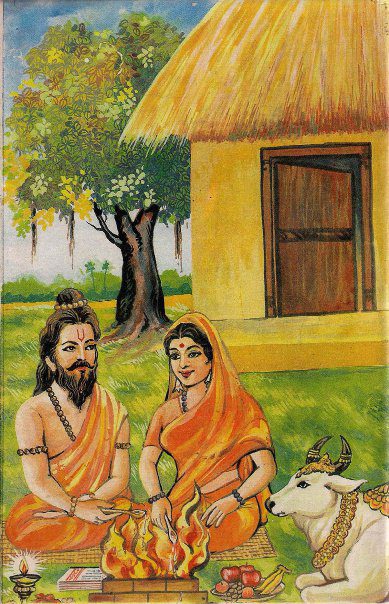
In Hindu mythology, Arundhati is a significant figure often associated with the ideals of fidelity, devotion, and righteousness. She is primarily known as the wife of the sage Vashistha, one of the seven great sages or Sapta Rishis in Hindu tradition. Arundhati’s story is intertwined with themes of love and sacrifice, making her an enduring symbol in Hindu culture. Her character is often celebrated in various texts, and her legacy continues to inspire countless individuals who value the principles she embodies.
Arundhati’s Origins
The origins of Arundhati are steeped in the rich tapestry of Hindu mythology. According to various texts, she is considered a celestial being, born of the stars. Her name translates to “the one who is not afraid,” which reflects her strength and courage. Arundhati is often depicted as a radiant figure, embodying both beauty and wisdom. Her association with the sage Vashistha adds another layer to her character, as she is often seen as a partner in his spiritual journey.
 Aruṇa
AruṇaIn some accounts, Arundhati is linked to the Vedic tradition, which emphasizes the importance of knowledge, meditation, and ritual. Her presence in the Vedic texts highlights the role of women in ancient Indian society, particularly in spiritual and philosophical realms. As a devoted wife, she exemplifies the virtues of loyalty and respect, which are essential components of a harmonious household in Hindu culture.
Arundhati and Vashistha
The relationship between Arundhati and Vashistha is a focal point in her story. Vashistha, known for his wisdom and spiritual prowess, is often depicted as a guiding figure in Hindu mythology. Arundhati supports him in his endeavors, demonstrating her unwavering loyalty and strength. Together, they embody the ideal couple, where both partners contribute to each other’s spiritual growth and well-being.
One of the most famous stories involving Arundhati and Vashistha is the tale of their marriage. According to tradition, Vashistha was once visited by the powerful king Vishwamitra, who challenged him to a contest of spiritual prowess. During this contest, Vishwamitra attempted to disrupt Vashistha’s meditation. However, Arundhati played a crucial role in helping her husband maintain his focus and strength. Her unwavering support allowed Vashistha to emerge victorious, showcasing the power of partnership in spiritual pursuits.
 Arjuna
The Symbolism of Arundhati
Arundhati is rich in symbolism, representing various aspects of life and spirituality. One of her most significant roles is as a symbol of devotion and fidelity. In many Hindu wedding ceremonies, the couple is often encouraged to look at the star Arundhati, which is visible in the night sky. This act serves as a reminder of the importance of loyalty and support within a marriage, drawing inspiration from the bond shared by Arundhati and Vashistha.
Moreover, Arundhati represents the balance between masculine and feminine energies. While Vashistha is seen as the spiritual guide and teacher, Arundhati complements him with her nurturing qualities. Together, they illustrate the importance of collaboration and mutual respect in achieving spiritual and personal goals. This balance is a recurring theme in Hindu philosophy, emphasizing that both energies are essential for harmony in life.
Arundhati in Hindu Rituals
Arundhati holds a prominent place in various Hindu rituals, particularly in marriage ceremonies. During these ceremonies, the groom is often asked to point out the star Arundhati to the bride. This ritual symbolizes the couple’s commitment to emulate the virtues of Arundhati and Vashistha in their own lives. It serves as a reminder of the importance of fidelity, devotion, and spiritual partnership.
 Ardra
ArdraIn addition to marriage rituals, Arundhati is also invoked during various spiritual practices. Many devotees recite prayers and mantras dedicated to her, seeking her blessings for a harmonious and prosperous life. Her association with wisdom and strength makes her an ideal figure to invoke during challenging times, as her story encourages individuals to remain steadfast and devoted to their principles.
Lessons from Arundhati’s Life
The life of Arundhati offers several valuable lessons that resonate with people across cultures and generations. One of the most significant lessons is the importance of loyalty and commitment in relationships. Arundhati’s unwavering support for Vashistha exemplifies the strength that comes from standing by a partner through thick and thin. This lesson is especially relevant in today’s fast-paced world, where relationships often face challenges and distractions.
Another crucial lesson from Arundhati’s life is the idea of balance. Her relationship with Vashistha showcases the importance of balancing personal aspirations with the needs of a partnership. In a world that often emphasizes individual achievement, Arundhati’s story serves as a reminder that true success comes from collaboration and mutual support. This balance is essential not only in romantic relationships but also in friendships and family dynamics.
Arundhati in Literature and Art
Arundhati’s influence extends beyond religious texts into the realms of literature and art. Various poets, playwrights, and artists have drawn inspiration from her story, creating works that celebrate her virtues. In classical Indian literature, Arundhati is often portrayed as an ideal woman, embodying the qualities of grace, strength, and wisdom. Her character serves as a muse for many, inspiring creative expressions that resonate with audiences.
In modern literature, authors have revisited Arundhati’s story to explore themes of feminism and empowerment. By reinterpreting her character, contemporary writers highlight the significance of women’s roles in mythology and society. This renewed focus on Arundhati not only honors her legacy but also encourages discussions about gender equality and the representation of women in cultural narratives.
Arundhati’s Cultural Impact
The cultural impact of Arundhati is profound, influencing various aspects of Hindu society. Her story has been passed down through generations, serving as a moral compass for many. In communities where traditional values are cherished, Arundhati is often invoked as a symbol of virtue and integrity. Her legacy is celebrated during festivals and rituals, reinforcing her status as a revered figure in Hindu culture.
Additionally, Arundhati’s influence extends to the modern world, where her story continues to inspire individuals seeking guidance in their personal and spiritual lives. Many people look to her example when navigating the complexities of relationships, emphasizing the timeless relevance of her teachings. This enduring impact showcases the power of mythology to transcend time and culture, providing valuable lessons for future generations.
Arundhati in Popular Culture
In recent years, Arundhati has made her way into popular culture, appearing in various forms of media, including films, television shows, and music. These adaptations often reinterpret her character, bringing her story to new audiences while retaining the core values she represents. Through these portrayals, Arundhati continues to resonate with people, bridging the gap between ancient mythology and contemporary society.
Moreover, her presence in popular culture has sparked discussions about the roles of women in mythology and the importance of preserving cultural narratives. By highlighting Arundhati’s story, creators contribute to a broader understanding of the complexities of gender and power dynamics in both historical and modern contexts. This ongoing dialogue underscores the relevance of Arundhati’s legacy in shaping contemporary discussions around femininity and strength.
The figure of Arundhati in Hindu mythology represents a rich tapestry of ideals, including devotion, loyalty, and balance. Her story, intertwined with that of her husband Vashistha, serves as a timeless reminder of the virtues that can guide individuals in their personal and spiritual journeys. As a symbol of strength and wisdom, Arundhati continues to inspire people across cultures and generations, reinforcing the importance of fidelity, partnership, and harmony in all aspects of life.