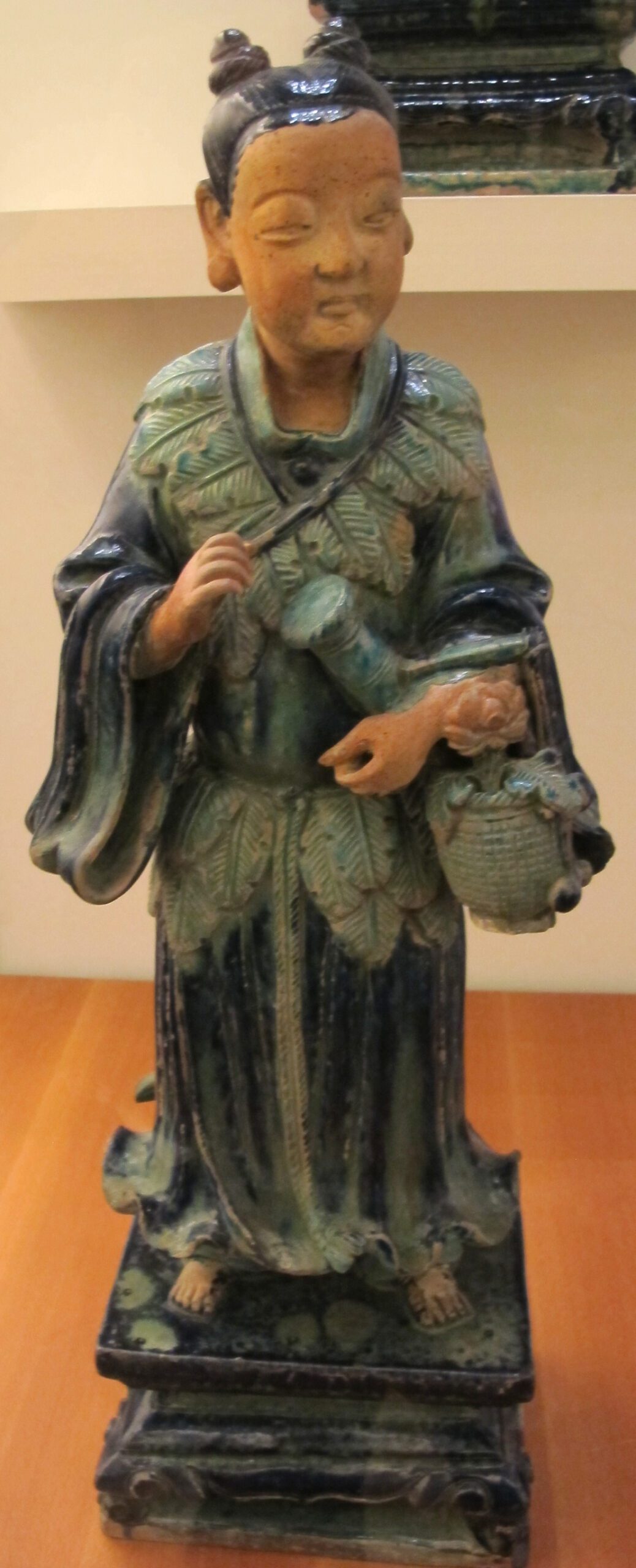
Lan Caihe is one of the most intriguing figures in Chinese mythology. Often depicted as a young person dressed in tattered clothes, Lan Caihe embodies the spirit of freedom and joy. They are one of the Eight Immortals, a group of legendary figures who are revered in Chinese folklore. Each Immortal has their own unique characteristics and stories, and Lan Caihe stands out due to their androgynous appearance and carefree demeanor. This article explores the various aspects of Lan Caihe, including their origins, symbolism, and the cultural significance they hold in Chinese mythology.
Origins of Lan Caihe
The origins of Lan Caihe are shrouded in mystery, much like many figures in mythology. Some stories suggest that Lan Caihe was born in the Tang Dynasty, while others place them in earlier or later periods. Their name, which translates to “Blue Cauliflower,” reflects their association with nature and the earth. In many tales, they are depicted as wandering the streets, playing music, and spreading happiness wherever they go. This portrayal emphasizes their role as a symbol of joy and liberation from societal norms.
 Meng Po
One popular legend describes Lan Caihe as a person who, despite their humble appearance, possesses immense wisdom and spiritual power. They are often shown carrying a basket of flowers, which they distribute to others as a sign of goodwill. This act of sharing flowers represents the beauty of life and the importance of kindness. In contrast to other Immortals, who often wield great power, Lan Caihe’s strength lies in their ability to connect with people on an emotional level.
Symbolism of Lan Caihe
Lan Caihe is rich in symbolism, embodying various elements that resonate deeply within Chinese culture. One of the most prominent symbols associated with Lan Caihe is the flower. Flowers are often seen as representations of beauty and transience, reminding people to appreciate the fleeting moments of life. Lan Caihe’s act of giving flowers reinforces the idea of sharing joy and beauty with others, encouraging a sense of community and compassion.
Another significant aspect of Lan Caihe’s symbolism is their androgynous appearance. This characteristic challenges traditional gender roles and reflects the idea that spirituality transcends gender. In a society where rigid gender norms often dictate behavior and roles, Lan Caihe serves as a reminder of the importance of embracing one’s true self. This aspect of their character has led to a growing appreciation for gender fluidity in modern interpretations of Chinese mythology.
 Xuan Wu
Lan Caihe’s Role Among the Eight Immortals
Lan Caihe is one of the Eight Immortals, a revered group in Chinese folklore. Each of these Immortals represents different aspects of life and possesses unique powers. For instance, some Immortals are known for their wisdom, while others are celebrated for their martial skills. Lan Caihe, however, is primarily associated with happiness and carefree living. This role sets them apart from their counterparts and highlights the diversity within the group.
- He Xiangu: The only female Immortal, known for her beauty and healing abilities.
- Zhang Guolao: An old man who rides a donkey backward, symbolizing wisdom and age.
- Li Tieguai: The Iron-Crutch Li, known for his ability to heal the sick.
- Lan Caihe: The carefree wanderer who embodies joy and freedom.
While each Immortal has their own stories and attributes, Lan Caihe’s focus on spreading joy makes them a beloved figure. They often remind people of the importance of maintaining a light-hearted perspective on life. This emphasis on happiness serves as a counterbalance to the more serious aspects of existence, encouraging individuals to find joy in everyday moments.
Cultural Significance of Lan Caihe
Lan Caihe’s impact extends beyond mythology and folklore; they play a significant role in Chinese culture as well. The character is often featured in various forms of art, including paintings, sculptures, and performances. Artists frequently depict Lan Caihe in vibrant colors, highlighting their connection to nature and the beauty of life. This artistic representation serves to inspire and uplift, reminding viewers of the importance of joy and freedom.
 Wuguan Wang
In addition to visual arts, Lan Caihe is also celebrated in literature and theater. Traditional Chinese operas often include stories of the Eight Immortals, with Lan Caihe appearing as a symbol of happiness and light-heartedness. These performances serve as a means of preserving cultural heritage while also entertaining audiences. They invite spectators to reflect on the values embodied by Lan Caihe, encouraging them to adopt a more joyful and carefree attitude in their own lives.
Lan Caihe in Modern Context
In recent years, the figure of Lan Caihe has gained renewed interest in contemporary society. As discussions around gender and identity evolve, Lan Caihe’s androgynous nature resonates with many people seeking to challenge traditional norms. Their representation as a figure who defies categorization serves as a powerful symbol for those advocating for gender equality and fluidity. This modern interpretation allows individuals to embrace their unique identities while drawing inspiration from the past.
Furthermore, the values that Lan Caihe represents—such as kindness, joy, and freedom—are increasingly relevant in today’s fast-paced world. Many people find solace in the idea of living a life free from societal pressures, echoing Lan Caihe’s carefree spirit. This connection to modern life has led to a resurgence of interest in Chinese mythology and the teachings of the Eight Immortals.
Legends and Stories of Lan Caihe
Throughout history, various legends have been told about Lan Caihe, each adding to their rich tapestry of character. One such story involves Lan Caihe wandering through a village, where they encounter a group of sad villagers. Moved by their plight, Lan Caihe begins to sing and dance, instantly lifting the spirits of those around them. This act of kindness illustrates Lan Caihe’s ability to spread joy and transform negative emotions into positivity.
Another popular legend tells of Lan Caihe’s journey to the Heavens. In this story, Lan Caihe is invited to a banquet held by the Immortals. Rather than dressing in fine clothes, Lan Caihe chooses to wear their usual tattered garments, symbolizing their rejection of materialism. At the banquet, they entertain the guests with music and dance, captivating everyone with their carefree spirit. This tale emphasizes the importance of being true to oneself and valuing inner joy over outward appearances.
Lan Caihe’s Iconography
Lan Caihe is often depicted with specific attributes that help to identify them in various artistic representations. One of the most common elements is the basket of flowers they carry. This basket not only symbolizes beauty and the transience of life but also represents the act of giving and sharing joy with others. The flowers serve as a reminder of the importance of kindness and connection in human relationships.
In addition to the basket, Lan Caihe is frequently shown with a musical instrument, such as a flute or a pipa. Music plays a significant role in their character, reflecting the idea that joy can be expressed through art. This aspect highlights the importance of creativity and self-expression as means to connect with others and uplift the spirit.
Lan Caihe in Festivals and Celebrations
Lan Caihe is celebrated during various festivals and events throughout the year. One of the most notable occasions is the Lantern Festival, which marks the end of the Lunar New Year celebrations. During this festival, people create and display colorful lanterns, often depicting the Eight Immortals, including Lan Caihe. The vibrant colors and joyous atmosphere of the festival resonate with Lan Caihe’s spirit, making it a fitting tribute to their character.
In addition to the Lantern Festival, Lan Caihe is also honored during other traditional celebrations, where people share stories, music, and performances that reflect their values. These events serve as a reminder of the importance of community and the power of joy in overcoming challenges. By celebrating Lan Caihe, individuals can connect with their cultural heritage while also embracing the values that promote happiness and kindness in their lives.
Lan Caihe’s Influence on Popular Culture
The figure of Lan Caihe has transcended traditional mythology and has made its way into popular culture. In recent years, they have appeared in various forms of media, including television shows, films, and even video games. This exposure has introduced Lan Caihe to a wider audience, allowing people from different backgrounds to appreciate their story and significance.
For instance, animated adaptations of Chinese mythology often feature Lan Caihe as a character who brings light-heartedness and joy to the narrative. This portrayal aligns with their traditional attributes, showcasing the timeless nature of their character. Additionally, merchandise inspired by Lan Caihe, such as figurines and clothing, has become popular, allowing fans to express their admiration for this unique figure in Chinese mythology.
Lessons from Lan Caihe
Lan Caihe’s story offers valuable lessons that resonate with people across cultures. One of the most significant messages is the importance of kindness and compassion. In a world that can often feel overwhelming, Lan Caihe’s ability to bring joy to others serves as a reminder of the power of simple acts of kindness. Whether it’s through sharing a smile, a song, or a flower, the impact of spreading happiness can be profound.
Additionally, Lan Caihe encourages individuals to embrace their true selves and reject societal expectations. Their androgynous nature and carefree attitude challenge traditional norms, inspiring people to live authentically. This message is particularly relevant in today’s society, where conversations about identity and self-acceptance are increasingly important. By embodying the spirit of freedom, Lan Caihe empowers individuals to celebrate their uniqueness and pursue lives filled with joy and creativity.