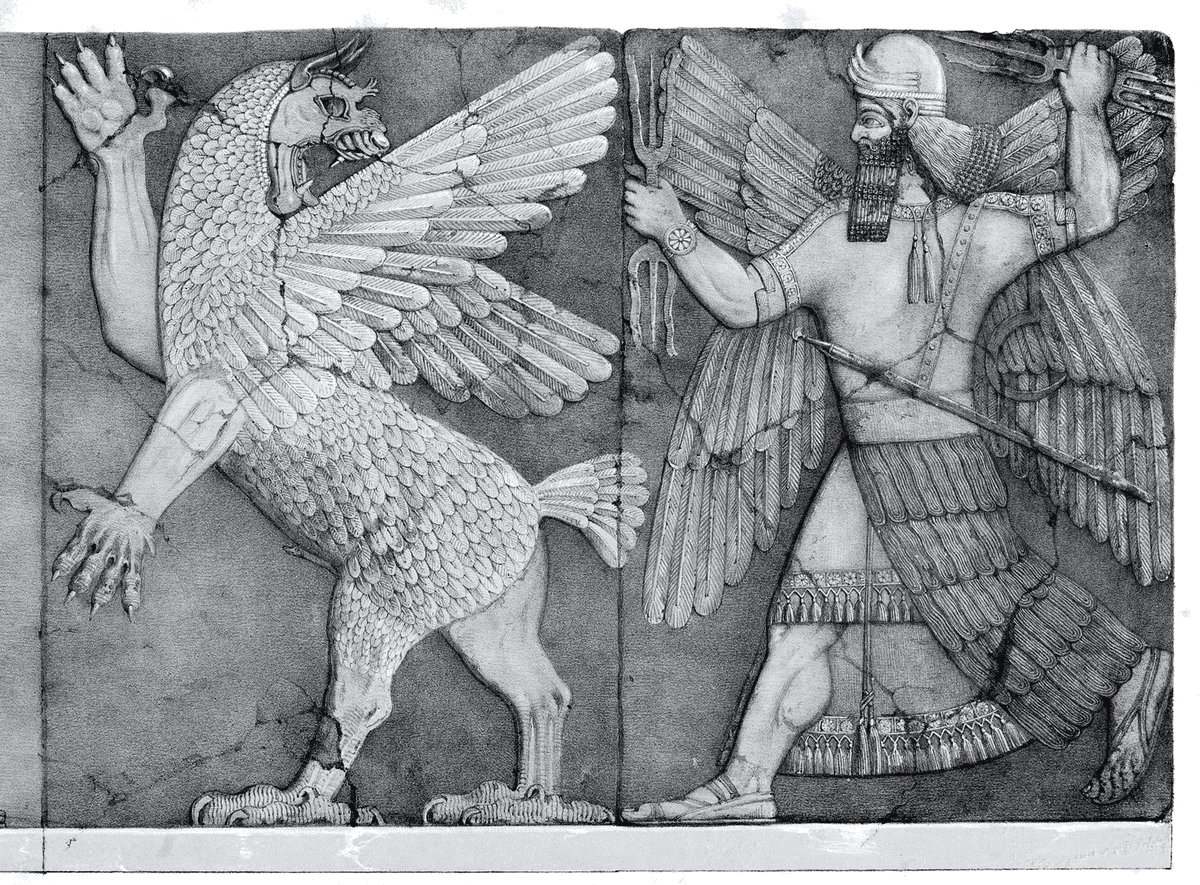
In the rich tapestry of Mesopotamian mythology, one of the most fascinating figures is Me. This term refers to a set of divine decrees or powers that govern various aspects of life, society, and the cosmos. The concept of Me is deeply intertwined with the ancient cultures of Sumer, Akkad, Babylon, and Assyria, which thrived in the region known as Mesopotamia, located between the Tigris and Euphrates rivers. Each Me represents a different aspect of existence, ranging from law and governance to wisdom and craft. Understanding Me is essential for comprehending how the ancient Mesopotamians viewed their world and the divine order that they believed governed it.
The Nature of Me
The concept of Me can be best understood as a set of divine principles or attributes that shape the functioning of the universe. Each Me encapsulates a specific quality or capability, such as justice, knowledge, or craftsmanship. In Mesopotamian thought, these divine principles are not merely abstract concepts; they are considered to have a tangible impact on the world. The Sumerians believed that the gods possessed these Me and that they could bestow them upon humans. This bestowal was essential for the establishment of civilization, as it provided the necessary tools for people to create and maintain order.
 Marduk
In ancient texts, the Me are often depicted as physical objects, like tablets or garments, which contain the essence of their power. The idea that these divine decrees could be lost or stolen is prevalent in various myths. For instance, the story of Inanna and the Me illustrates how the goddess sought to acquire these powers to enhance her own capabilities. This narrative not only emphasizes the importance of Me in the divine hierarchy but also highlights the competitive nature of the gods in Mesopotamian mythology.
The Role of Me in Society
The Me played a crucial role in shaping Mesopotamian society. Each aspect of life was governed by a specific Me, which established the norms and practices for that domain. For example, there were Me related to kingship, law, agriculture, and craftsmanship. These divine principles were believed to be essential for the prosperity and stability of the community. Kings and rulers were often seen as the representatives of the gods on Earth, tasked with upholding these divine decrees to ensure the well-being of their people.
- Kingship: The Me associated with kingship defined the qualities a ruler should possess, such as wisdom, justice, and strength.
- Law: The Me of law provided the foundation for legal systems, ensuring that justice was upheld within society.
- Agriculture: Agricultural Me were vital for ensuring bountiful harvests, which were essential for survival.
- Craftsmanship: Me related to craftsmanship guided artisans in their work, allowing them to create functional and beautiful objects.
The relationship between the Me and societal structure is evident in various myths and rituals. Rulers would often perform ceremonies to honor the gods and request the blessings of the Me, ensuring that they had the divine support necessary to govern effectively. This interconnection between the divine and the mundane underscores the importance of Me in maintaining social order and harmony.
 Mamitu
Mythological Stories Involving Me
Numerous myths from Mesopotamian culture illustrate the significance of Me. One of the most notable stories is that of Inanna, the goddess of love and war, who descended into the Underworld. In this myth, Inanna seeks to acquire the Me from her sister, Ereshkigal, the queen of the Underworld. The story highlights the idea that the Me are not easily attained and that their acquisition often involves challenges and sacrifices. Inanna’s journey reflects the struggles faced by individuals in their pursuit of power and knowledge.
Another important myth involves the hero Enkidu and the king Gilgamesh. In their adventures, they encounter various divine beings and must navigate the complexities of the Me. The story emphasizes the idea that human beings are not merely passive recipients of divine decrees but active participants in shaping their destinies. The interplay between human agency and divine authority is a recurring theme in Mesopotamian mythology, and the Me serve as a crucial link between the two.
Symbolism of Me
The Me are rich in symbolism, representing the core values and principles that guided Mesopotamian civilization. Each Me can be seen as a reflection of the collective aspirations and ideals of the people. For instance, the Me associated with wisdom symbolizes the pursuit of knowledge and understanding, while those linked to justice embody the desire for fairness and order. This symbolic representation of the Me illustrates how the ancient Mesopotamians sought to align their lives with the divine order.
 Lahmu
LahmuFurthermore, the physical representations of Me, such as tablets and garments, serve as tangible reminders of these divine principles. The act of creating or possessing these objects was believed to confer some measure of the Me’s power upon the individual or community. This connection between the physical and the divine is a hallmark of Mesopotamian thought, emphasizing the belief that the material world is intertwined with the spiritual realm.
Me in Religious Practices
Religious practices in ancient Mesopotamia often revolved around the worship of the gods and the veneration of the Me. Temples were built as sacred spaces where rituals and offerings were made to appease the deities and secure their favor. Priests and priestesses played a vital role in these practices, acting as intermediaries between the divine and the human realms. They were responsible for ensuring that the Me were honored and upheld within society.
- Ritual Offerings: Offerings of food, drink, and valuable items were made to the gods to demonstrate devotion and seek blessings.
- Festivals: Seasonal festivals celebrated the gods and their Me, reinforcing the connection between the divine and the community.
- Divination: Priests often engaged in divination practices to discern the will of the gods and the appropriate actions to align with the Me.
The rituals associated with the Me not only reinforced the spiritual beliefs of the Mesopotamians but also served to strengthen social cohesion. By collectively participating in these practices, communities were able to unite under shared values and principles, fostering a sense of belonging and purpose.
The Legacy of Me
The concept of Me has left a lasting legacy in the study of ancient Mesopotamian civilization. Scholars and historians continue to explore the significance of these divine principles and their impact on society, culture, and religion. The Me serve as a lens through which we can better understand the complexities of Mesopotamian thought and the ways in which the ancient peoples sought to navigate their world.
Moreover, the stories and myths surrounding Me have influenced various aspects of literature and art throughout history. Themes of divine power, human ambition, and the quest for knowledge resonate in countless narratives across cultures. The enduring fascination with the Me speaks to the universal human desire to understand the nature of existence and the forces that shape our lives.
Comparative Analysis with Other Mythologies
When examining the concept of Me in Mesopotamian mythology, it is valuable to compare it with similar ideas in other cultures. For instance, in Greek mythology, the concept of arete embodies the idea of excellence and virtue, akin to the divine principles represented by the Me. Both concepts emphasize the importance of certain qualities in achieving a harmonious and successful life.
In Egyptian mythology, the concept of maat represents truth, balance, and cosmic order, paralleling the role of the Me in establishing social and cosmic harmony. These comparisons reveal a shared human inclination to define and understand the principles that govern existence, reflecting the diverse ways in which cultures interpret the relationship between the divine and the human.
Modern Interpretations of Me
In contemporary discussions of mythology and spirituality, the concept of Me continues to resonate. Modern interpretations often explore the relevance of these ancient principles in today’s world. For example, the Me associated with justice and wisdom can be seen as foundational to modern legal and ethical systems. The idea that certain qualities are essential for the functioning of society remains a pertinent theme in discussions about governance and leadership.
Furthermore, the stories of Inanna and Enkidu have inspired various artistic expressions, from literature to visual arts. These narratives highlight the timeless struggle for knowledge, power, and understanding, themes that are still relevant in contemporary society. The exploration of Me encourages a deeper appreciation for the complexities of human existence and the ongoing quest for meaning and purpose.
the concept of Me in Mesopotamian mythology offers profound insights into the ancient world’s understanding of divine principles and their role in shaping human existence. The Me serve as a bridge between the divine and the mundane, influencing various aspects of life, society, and spirituality. Through the exploration of myths, rituals, and cultural practices, we can gain a greater appreciation for the legacy of Me and its enduring significance in the study of ancient civilizations.