
In Slavic mythology, the concept of souls is deeply intertwined with the beliefs and practices of the Slavic people. The understanding of the soul varies among different cultures, but in Slavic tradition, it is often viewed as a vital essence that connects the physical and spiritual worlds. The soul is not just a personal entity; it is also connected to the community, nature, and the universe. This article explores the various aspects of souls in Slavic mythology, including their significance, different types, and the rituals associated with them.
Understanding the Soul in Slavic Mythology
The soul, or duša in Slavic languages, is considered the essence of a living being. It is believed that every person has a soul that is immortal and continues to exist after death. This belief reflects a strong connection to the natural world and the cycles of life and death. In Slavic tradition, the soul is often seen as a part of a larger cosmic order, linking individuals to their ancestors and the earth itself. The idea of the soul being eternal plays a significant role in the Slavic understanding of life, death, and the afterlife.
 Zosim
ZosimIn many Slavic cultures, it is believed that the soul can exist in multiple forms. For instance, there are concepts of the personal soul, which belongs to an individual, and the collective soul, which represents the spirit of the community or the people as a whole. This duality reflects the importance of community in Slavic societies, where individual identities are often tied to the larger group. The idea of a collective soul also emphasizes the connection between the living and the dead, as ancestors are considered to be an integral part of the community’s spirit.
Types of Souls in Slavic Beliefs
Slavic mythology recognizes several types of souls, each with its own significance and characteristics. Among these, the most notable are the living soul, the guardian spirit, and the restless soul. The living soul is the essence that animates a person during their lifetime. It is the source of emotions, thoughts, and actions. The guardian spirit, often referred to as domovoi, is a protective entity that watches over the household and its inhabitants. This spirit is believed to be the soul of the family’s ancestors, providing guidance and protection.
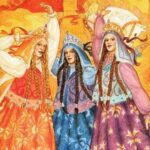 Zorya Vechernyaya
The restless soul, on the other hand, is a more complex concept. This type of soul refers to those who have died but are unable to find peace. Restless souls are often depicted as wandering spirits that have unfinished business or unresolved issues. In Slavic folklore, these souls can be malevolent, causing mischief or harm to the living. To appease these restless spirits, families often perform rituals and offer prayers to help them find peace and transition to the afterlife.
Souls and the Afterlife
The journey of the soul after death is a crucial aspect of Slavic mythology. It is believed that the soul embarks on a journey to the afterlife, which is often depicted as a place of rest and reunion with ancestors. However, this journey is not straightforward. The soul must navigate various challenges and obstacles, which may include crossing a river or facing judgment from higher powers. This journey reflects the belief that life continues after death, and the soul’s actions during its lifetime determine its fate in the afterlife.
In many Slavic cultures, rituals surrounding death are designed to guide and support the soul on its journey. These rituals often include funeral rites, which are performed to honor the deceased and facilitate their passage to the afterlife. Families may also hold memorial services, known as pominki, to remember and pray for the souls of their loved ones. These practices highlight the importance of maintaining a connection with the deceased and acknowledging their ongoing presence in the lives of the living.
 Zorya Utrennyaya
Rituals and Practices Related to Souls
Rituals play a significant role in Slavic beliefs about souls. Various ceremonies and practices are performed to honor the living and the dead. One common ritual is the Rusalka week, which occurs in late spring and early summer. During this time, people honor the souls of young women who died prematurely. They believe that these souls become Rusalka, water spirits that can influence the lives of the living. To appease these spirits, families may offer flowers and food near bodies of water, creating a connection between the two realms.
Another important ritual is the observance of All Souls’ Day, where families gather to remember and honor their deceased ancestors. This day is marked by visiting graves, lighting candles, and offering prayers. It is a time for reflection and connection, allowing families to feel the presence of their ancestors and seek their guidance. These practices are not only a way to honor the dead but also serve to strengthen the bonds within the living community.
Souls and Nature
In Slavic mythology, the connection between souls and nature is profound. The belief that everything in nature has a soul or spirit is prevalent. Trees, rivers, mountains, and animals are often seen as possessing their own souls, contributing to the interconnectedness of all living things. This belief fosters a deep respect for the natural world, as it is viewed as a living entity filled with spirits and souls that deserve honor and reverence.
The concept of nature spirits, known as leshy for forests and vodianoi for water, further illustrates this connection. These spirits are believed to be guardians of their respective domains, embodying the souls of the natural elements. People often make offerings to these spirits, seeking their favor and protection. This relationship between souls and nature reflects a holistic worldview, where every element of the environment is recognized as part of a larger spiritual framework.
Modern Interpretations of Souls in Slavic Culture
As Slavic societies have evolved, so too have their beliefs about souls. In modern times, many of these traditional concepts have been blended with contemporary views, leading to a rich tapestry of spiritual beliefs. While some individuals may adhere strictly to ancient practices, others have adapted these beliefs to fit into a more modern context. This blending of traditions can be seen in various cultural expressions, such as art, literature, and festivals.
Today, many Slavic communities continue to celebrate their heritage through festivals that honor the souls of their ancestors. These events often include music, dance, and storytelling, creating a vibrant atmosphere that connects the living with the spirits of the past. Additionally, there is a growing interest in folk traditions and spiritual practices, as people seek to reconnect with their roots and explore the rich mythology of their ancestors.
Conclusion: The Enduring Legacy of Souls in Slavic Mythology
The concept of souls in Slavic mythology remains a powerful and enduring aspect of cultural identity. It reflects a deep understanding of life, death, and the interconnectedness of all beings. Through rituals, stories, and practices, the Slavic people continue to honor the souls of their ancestors and maintain a connection with the spiritual world. This rich tradition serves as a reminder of the importance of community, nature, and the enduring legacy of those who came before us.