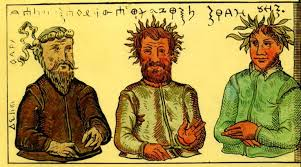
In Lithuanian mythology, Rugiu Boba is a significant figure often associated with the harvest and the agricultural cycle. This character is deeply rooted in the traditions and customs of the Lithuanian people, reflecting their connection to the land and nature. Rugiu Boba is typically depicted as a wise old woman, embodying the spirit of the harvest. Her presence is felt during the harvest season, and she is believed to influence the outcome of the crops. Understanding Rugiu Boba requires delving into the rich tapestry of Lithuanian folklore and the cultural practices surrounding agriculture.
The Role of Rugiu Boba in Lithuanian Agriculture
Rugiu Boba plays a crucial role in the agricultural practices of Lithuania. She is often seen as a protector of the crops, ensuring that the harvest is plentiful and that the farmers are rewarded for their hard work. In many rural communities, rituals and ceremonies are held to honor her before the harvest begins. These rituals can include offerings of bread and grains, which symbolize gratitude for the earth’s bounty. The belief is that by showing respect to Rugiu Boba, farmers can secure a successful harvest.
 Raugo Žemėpatis
Furthermore, Rugiu Boba is associated with various agricultural symbols. For instance, she is often linked to rye, which is a staple crop in Lithuania. Rye has been an essential part of the Lithuanian diet for centuries, and its significance is reflected in the mythology surrounding Rugiu Boba. In some tales, she is said to emerge from the fields of rye, embodying the spirit of the grain and its importance to the community. This connection highlights the deep respect that Lithuanians have for their agricultural heritage.
Legends and Stories of Rugiu Boba
The stories of Rugiu Boba are numerous and varied, often passed down through generations. One popular legend tells of how she helped a struggling farmer during a particularly harsh winter. The farmer, desperate and on the brink of losing his land, prayed to Rugiu Boba for assistance. In response, she appeared to him in a dream, guiding him to a hidden stash of seeds that had been buried in the earth. With her guidance, the farmer was able to plant the seeds in the spring, resulting in a bountiful harvest that saved his family.
Another tale describes how Rugiu Boba would visit the fields at night, ensuring that the crops were growing strong and healthy. Farmers believed that if they left a small offering of bread and salt in the fields, she would bless their harvest. This practice not only reflects the reverence for Rugiu Boba but also emphasizes the importance of community and cooperation among farmers. By working together and honoring their traditions, they could ensure a successful harvest season.
 Rasa
RasaRugiu Boba and Seasonal Festivals
Rugiu Boba is also celebrated during various seasonal festivals in Lithuania. One of the most significant is the Harvest Festival, which marks the end of the harvest season. During this festival, communities come together to celebrate their hard work and the abundance of crops. Traditional songs and dances are performed, and special foods made from the harvest are shared among the villagers. It is a time of joy and gratitude, where Rugiu Boba is honored for her role in providing for the community.
Another important celebration is the Spring Equinox, where rituals are performed to welcome the new planting season. During this time, farmers ask for Rugiu Boba’s blessing to ensure a fruitful year ahead. They might create small effigies of her using leftover straw from the previous harvest, symbolizing the connection between the past and the future. These effigies are often placed in fields to invoke her spirit and protection over the new crops.
Symbolism of Rugiu Boba
Rugiu Boba symbolizes more than just the harvest; she embodies the relationship between humans and nature. Her character reflects the respect that Lithuanians have for the earth and the cycles of life. She represents the wisdom of the elders, who have passed down knowledge about farming and sustainability through generations. In many ways, Rugiu Boba serves as a reminder of the importance of maintaining a harmonious relationship with the environment.
 Ragutis
Additionally, Rugiu Boba is a symbol of fertility and abundance. In Lithuanian culture, fertility is not only related to agriculture but also to family and community. Rugiu Boba’s blessings are sought not only for crops but also for healthy families and prosperous communities. Her image often appears in folk art, where she is depicted surrounded by grains and fruits, showcasing the bounty of the earth and the blessings of life.
Rugiu Boba in Modern Lithuanian Culture
Today, Rugiu Boba remains an important figure in modern Lithuanian culture. Many people still participate in traditional rituals and celebrations that honor her. Schools and cultural organizations often teach children about Rugiu Boba, ensuring that the stories and customs surrounding her are not forgotten. This connection to the past helps foster a sense of identity and pride among Lithuanians, particularly in rural areas where agriculture continues to play a vital role.
Moreover, Rugiu Boba has found her way into contemporary art and literature. Artists and writers draw inspiration from her character, using her as a symbol of resilience and connection to nature. Many local festivals feature art installations and performances that celebrate Rugiu Boba and the agricultural heritage of Lithuania. This fusion of tradition and modernity helps keep her spirit alive in the hearts and minds of the people.
Rugiu Boba and Environmental Awareness
As the world becomes increasingly aware of environmental issues, Rugiu Boba’s story takes on new significance. Her connection to the land and the importance of sustainable farming practices resonate with contemporary movements advocating for environmental conservation. Many people look to the wisdom of traditional figures like Rugiu Boba as a guide for how to live in harmony with nature. Her character encourages respect for the earth and emphasizes the need to protect it for future generations.
In recent years, various initiatives have emerged in Lithuania aimed at promoting sustainable agriculture. These initiatives often reference traditional practices and the teachings associated with Rugiu Boba. By blending ancient wisdom with modern techniques, farmers are finding ways to cultivate the land responsibly while still honoring their cultural heritage. This integration of past and present is vital for ensuring a sustainable future for both the land and the people.
The Influence of Rugiu Boba on Lithuanian Identity
Rugiu Boba is more than just a mythical figure; she is a representation of Lithuanian identity. Her stories and the customs associated with her are a testament to the resilience and strength of the Lithuanian people. In times of hardship, the tales of Rugiu Boba serve as a source of inspiration, reminding individuals of the importance of community, hard work, and respect for nature. This sense of identity is crucial for the cultural continuity of Lithuania, particularly as the country navigates the challenges of modernization.
Furthermore, Rugiu Boba’s influence can be seen in the ways that communities come together to celebrate their heritage. Festivals, rituals, and storytelling sessions foster a sense of belonging and unity among the people. These gatherings not only celebrate Rugiu Boba but also reinforce the values and traditions that have shaped Lithuanian culture for centuries. The spirit of Rugiu Boba lives on through these communal activities, ensuring that her legacy endures.
In exploring the figure of Rugiu Boba, we gain insight into the rich tapestry of Lithuanian mythology and the cultural significance of agricultural practices. Her role as a protector of the harvest, a symbol of fertility, and a source of wisdom reflects the deep connection between the Lithuanian people and their land. As society continues to evolve, the stories of Rugiu Boba remind us of the importance of honoring our roots and maintaining a sustainable relationship with nature.