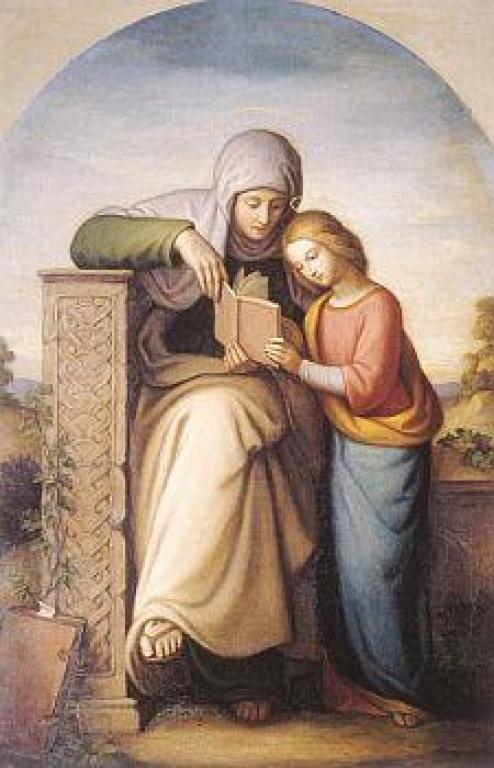
St. Anne is a prominent figure in Christian mythology, revered as the mother of the Virgin Mary and, consequently, the grandmother of Jesus Christ. Although not mentioned in the Bible, her life and significance have been shaped by tradition and apocryphal texts. St. Anne’s legacy is deeply rooted in the history of Christianity and is celebrated by many denominations, particularly within the Catholic Church. Her story reflects themes of faith, motherhood, and divine intervention, making her a beloved saint for many believers around the world.
The Life of St. Anne
The details of St. Anne’s life primarily come from the Protoevangelium of James, a second-century apocryphal text. This document provides a narrative about her and her husband, St. Joachim, who were a devout couple living in Jerusalem. According to the text, St. Anne and St. Joachim struggled with infertility for many years, facing societal pressure and personal despair due to their inability to conceive. This aspect of their lives resonates with many, highlighting the human experience of longing and hope.
 St. Severinus Boethus
St. Anne’s story takes a significant turn when she and St. Joachim fervently pray for a child. Their prayers are answered when an angel appears to St. Anne, announcing that she will conceive a daughter who will be blessed among women. This moment signifies a profound divine promise and sets the stage for the birth of Mary. The narrative emphasizes the importance of faith and the belief that God listens to those who earnestly seek Him.
St. Anne in Christian Tradition
St. Anne is venerated in various Christian traditions, particularly within the Catholic Church. Her feast day is celebrated on July 26th, a day when many congregate to honor her life and contributions. During this celebration, the faithful often participate in mass and various religious activities that reflect on her virtues and role as a mother. Many churches are dedicated to St. Anne, and her image can be found in numerous artworks, depicting her in tender moments with the Virgin Mary.
The significance of St. Anne extends beyond her familial ties. She is often seen as a symbol of motherhood and is invoked by those seeking assistance in matters related to family and fertility. Many women pray to her for intercession during pregnancy or when facing challenges in motherhood. This connection underscores the idea that St. Anne embodies the nurturing qualities of a mother, making her a relatable figure for many.
 St. Angela Merici
St. Anne’s Legacy in Art and Culture
Throughout history, St. Anne has been a popular subject in art and literature. Many artists have depicted her in paintings and sculptures, often portraying her with the Virgin Mary and the infant Jesus. These artworks convey deep emotions and highlight the close bond between grandmother and granddaughter. One of the most famous paintings is “The Virgin and Child with St. Anne” by Leonardo da Vinci, which showcases the intimate relationship and the significance of family in Christian teachings.
In addition to visual arts, St. Anne’s legacy has also influenced literature and music. Numerous hymns and prayers have been composed in her honor, celebrating her virtues and her role in salvation history. These cultural expressions not only honor her memory but also help to keep her story alive in the hearts and minds of the faithful. The continued celebration of St. Anne in various forms of cultural expression speaks to her enduring influence in Christian mythology.
St. Anne in Different Christian Denominations
While St. Anne is predominantly celebrated in the Catholic Church, she is also recognized in some Orthodox and Anglican traditions. In the Orthodox Church, St. Anne is honored as a saint and her life is celebrated through various liturgical practices. The Eastern Orthodox tradition places a strong emphasis on the importance of family and motherhood, making St. Anne a fitting figure for veneration.
 St. Andrew Of Crete
In the Anglican tradition, St. Anne is also acknowledged, though the focus may vary. Some Anglicans may celebrate her feast day, while others might include her in prayers and devotions related to family life. The recognition of St. Anne across different denominations illustrates her universal appeal and the shared values of motherhood and divine grace in Christianity.
The Importance of St. Anne in Modern Christianity
In contemporary Christianity, St. Anne continues to hold significance for many believers. Her story resonates with those who face challenges related to infertility, family dynamics, and the complexities of motherhood. Many find comfort in her narrative, viewing her as a source of hope and inspiration. The act of praying to St. Anne for intercession reflects a deep trust in her maternal care and her closeness to God.
Additionally, St. Anne’s legacy serves as a reminder of the importance of faith and perseverance in the face of adversity. Her story encourages believers to maintain hope even when circumstances seem bleak. In a world where many struggle with personal challenges, St. Anne’s example of unwavering faith can be a source of strength and encouragement for those seeking guidance.
Devotion to St. Anne
Devotion to St. Anne can take many forms, from individual prayers to community celebrations. Many people create personal altars dedicated to her, where they place images, candles, and flowers as a sign of respect and devotion. These altars serve as a space for reflection and prayer, allowing individuals to connect with St. Anne on a personal level. This intimate practice helps believers feel closer to her and encourages them to seek her intercession in their lives.
In addition to personal devotion, many parishes organize events and activities centered around St. Anne. These may include processions, prayer services, and retreats focused on her life and virtues. Such community gatherings foster a sense of belonging and shared faith among participants. They also provide an opportunity for believers to come together in prayer, sharing their intentions and seeking support from one another.
St. Anne’s Role in Family Life
St. Anne is often viewed as a protector of family life, embodying the values of love, patience, and nurturing. Many families turn to her for guidance and support in raising children and maintaining strong familial bonds. The importance of family is a central theme in St. Anne’s story, as her role as the grandmother of Jesus highlights the significance of generational connections and the passing down of faith and values.
Parents often pray to St. Anne for help in their parenting journey, asking for wisdom and strength to guide their children. The belief that St. Anne understands the challenges of motherhood makes her a relatable figure for many. This connection fosters a sense of community among parents who share their experiences and seek support through their faith in St. Anne.
St. Anne in Popular Culture
St. Anne’s influence can also be seen in popular culture, where her image and story have been adapted in various ways. She appears in films, literature, and even music, often portrayed as a symbol of maternal love and sacrifice. These representations help to keep her legacy alive and make her story accessible to a broader audience, beyond just the religious context.
In literature, St. Anne is sometimes featured in novels that explore themes of family, faith, and the struggles of motherhood. These stories often highlight her virtues and the impact she has on the lives of those who seek her intercession. By incorporating St. Anne into modern narratives, authors continue to celebrate her importance and make her relatable to contemporary readers.
St. Anne and the Global Community
St. Anne’s influence is not limited to one region or culture; she is venerated by Christians worldwide. Different cultures have their unique ways of celebrating her, often blending local traditions with the core aspects of her story. This global recognition of St. Anne reflects the universal themes of motherhood, faith, and family that resonate across different cultures and societies.
In various countries, St. Anne’s feast day is marked by vibrant celebrations, including processions, special masses, and community gatherings. These events foster a sense of unity among believers, allowing them to come together in faith and honor their shared heritage. The diversity of St. Anne’s celebrations highlights her role as a bridge between cultures, demonstrating how her story can inspire and connect people from different backgrounds.
Conclusion: The Enduring Legacy of St. Anne
St. Anne remains a vital figure in Christian mythology, representing the values of faith, motherhood, and the enduring strength of family. Her story continues to inspire countless individuals, offering hope and encouragement in their personal journeys. The devotion to St. Anne transcends cultural and denominational boundaries, making her a beloved saint for many. Through art, literature, and communal celebrations, St. Anne’s legacy endures, reminding us of the importance of love, faith, and the power of a mother’s influence in the lives of her children.