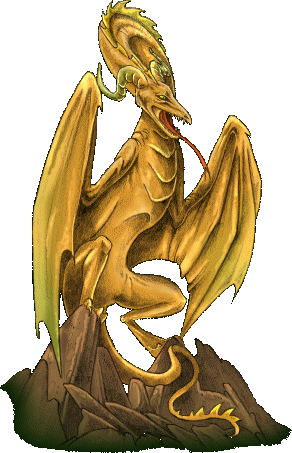
The concept of Kaukai is an intriguing aspect of Latvian mythology. In Latvian folklore, Kaukai is often depicted as a spirit or a deity associated with the underworld. This figure is part of a rich tapestry of beliefs that have been passed down through generations in Latvia. The stories surrounding Kaukai provide insights into the values, fears, and hopes of the Latvian people. Understanding Kaukai is essential to grasp the broader context of Latvian mythology, where various elements interact to create a vibrant cultural narrative.
The Origin of Kaukai
The origins of Kaukai can be traced back to ancient Latvian beliefs and practices. Traditionally, Kaukai is seen as a guardian of the underworld, a place that was often feared by people. The underworld in Latvian mythology is not just a realm of the dead; it is also a place of transformation and renewal. Kaukai embodies these dual aspects, serving both as a protector and as a figure that evokes caution. The narratives surrounding Kaukai often reflect the agricultural society of Latvia, where the cycles of life and death were deeply intertwined with the seasons.
 Karta
KartaIn Latvian mythology, Kaukai is sometimes linked to other deities and spirits, creating a complex web of relationships. For example, some tales suggest that Kaukai is associated with the god of the underworld, Velns, who is often portrayed as a trickster figure. This connection highlights the interplay between different mythological figures, where Kaukai can be seen as a counterbalance to more malevolent forces. The stories often emphasize the importance of respecting Kaukai, as failure to do so could lead to misfortune or punishment.
Kaukai’s Role in Latvian Folklore
Kaukai plays a significant role in various Latvian folktales. These stories often serve as cautionary tales, teaching lessons about the consequences of one’s actions. For instance, there are tales of individuals who disrespect the boundaries of the underworld, only to encounter Kaukai’s wrath. Such narratives emphasize the importance of maintaining a respectful relationship with the spirit world, reflecting the broader values of Latvian culture, which emphasizes harmony with nature and the spiritual realm.
In addition to cautionary tales, Kaukai is also featured in stories that highlight the importance of community and cooperation. Many folktales involve characters who must work together to appease Kaukai, demonstrating the value of unity in the face of challenges. These narratives often serve to strengthen social bonds within communities, reinforcing the idea that collective action is necessary for survival and well-being. Kaukai, in this sense, becomes a symbol of the interconnectedness of all living beings.
 Juras Mate
Kaukai and Nature
The connection between Kaukai and nature is a significant aspect of Latvian mythology. Kaukai is often depicted as a figure who has the ability to influence natural events, such as the changing of the seasons or the growth of crops. This relationship highlights the importance of nature in the lives of the Latvian people, who have traditionally relied on agriculture for their sustenance. Kaukai’s presence in nature serves as a reminder of the delicate balance that exists between humans and the environment.
In many stories, Kaukai is portrayed as a protector of the land, ensuring that the cycles of nature continue uninterrupted. This protective role reinforces the idea that the well-being of the community is intrinsically linked to the health of the environment. By respecting Kaukai and the natural world, the Latvian people believe they can ensure a bountiful harvest and a harmonious existence. This belief is reflected in various rituals and practices that honor Kaukai and seek to maintain a positive relationship with the spirit of nature.
Kaukai in Rituals and Celebrations
Kaukai is often invoked during rituals and celebrations, particularly those related to agriculture and seasonal changes. One of the most notable celebrations is the summer solstice, known as Jāņi, where people gather to celebrate the longest day of the year. During this festival, Kaukai is honored as part of the broader pantheon of spirits that influence the cycles of nature. The rituals often include offerings, songs, and dances that pay homage to Kaukai, emphasizing the importance of gratitude and respect.
 Jumis
JumisIn addition to Jāņi, there are other rituals throughout the year that honor Kaukai. These may include planting ceremonies, harvest festivals, and rites of passage. Each of these rituals serves to reinforce the connection between the community and Kaukai, as well as the natural world. Through these practices, the Latvian people express their appreciation for the gifts of nature and seek Kaukai’s favor for a prosperous year ahead.
The Symbolism of Kaukai
The symbolism of Kaukai is multifaceted, representing various themes that resonate deeply within Latvian culture. One of the most prominent symbols associated with Kaukai is that of transformation. As a figure connected to the underworld, Kaukai embodies the idea that death is not an end but rather a transition to another state of existence. This belief is reflected in the agricultural cycles, where death and renewal are essential components of life.
Another important symbol associated with Kaukai is the concept of balance. Kaukai represents the delicate equilibrium between life and death, the seen and the unseen. This balance is crucial in Latvian mythology, where harmony with the natural world is paramount. Kaukai serves as a reminder that every action has consequences, and that maintaining balance is essential for a harmonious existence. This symbolism is particularly relevant in today’s world, where the impact of human actions on the environment is increasingly evident.
Kaukai in Modern Culture
In contemporary Latvia, Kaukai continues to hold significance, albeit in different forms. The revival of interest in folk traditions has led to a renewed appreciation for figures like Kaukai. Many artists, writers, and musicians draw inspiration from Latvian mythology, incorporating Kaukai into their works. This resurgence reflects a broader movement to reconnect with cultural roots and celebrate the rich heritage of Latvia.
Moreover, Kaukai’s presence can be felt in various cultural events and festivals that celebrate Latvian folklore. These gatherings often include performances, storytelling, and artistic expressions that honor Kaukai and other mythological figures. Through these events, the younger generation is introduced to the stories and values associated with Kaukai, ensuring that this important aspect of Latvian culture continues to thrive.
The Impact of Kaukai on Latvian Identity
Kaukai plays a crucial role in shaping Latvian identity, serving as a symbol of the nation’s cultural heritage. The stories and beliefs surrounding Kaukai reflect the historical experiences of the Latvian people, including their struggles and triumphs. By understanding Kaukai, individuals can gain insights into the values and traditions that have shaped Latvia’s national character. This connection to mythology fosters a sense of belonging and pride among Latvians, reinforcing their cultural identity.
Furthermore, Kaukai’s influence extends beyond folklore into the realms of art and literature. Many contemporary Latvian artists incorporate themes related to Kaukai in their work, exploring the complexities of life, death, and the natural world. This artistic expression serves as a bridge between the past and present, allowing modern Latvians to engage with their cultural heritage in meaningful ways. Through the lens of Kaukai, individuals can explore their own identities and the shared experiences that bind them to their ancestors.
The figure of Kaukai is a vital component of Latvian mythology, embodying themes of transformation, balance, and the interconnectedness of life and death. Through its stories, rituals, and symbolism, Kaukai continues to resonate with the Latvian people, shaping their cultural identity and values. As modern society evolves, the enduring legacy of Kaukai serves as a reminder of the importance of respecting nature and the spirit world, ensuring that the rich traditions of Latvia are preserved for future generations.