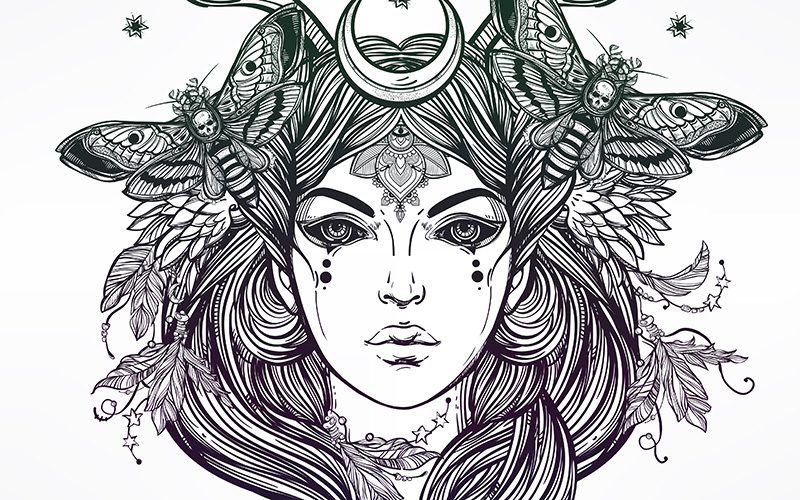
Carman is a fascinating figure in Irish mythology. She is often depicted as a powerful sorceress and a prominent character in various ancient tales. The stories surrounding Carman are rich with themes of power, betrayal, and fate. Understanding her role in mythology offers insights into the values and beliefs of ancient Irish culture. In many ways, Carman embodies the complex nature of women in mythology, often portrayed as both a source of great strength and a figure of potential danger.
The Origins of Carman
The tales of Carman can be traced back to early Irish literature, particularly in the Mythological Cycle. She is said to have originated from the Tuatha Dé Danann, a race of supernatural beings in Irish mythology. The name “Carman” itself is often associated with witchcraft and magic, hinting at her formidable powers. According to some legends, she was the daughter of a powerful king, which adds to her status and the expectations placed upon her. Her lineage plays a crucial role in her identity and the tales that surround her.
 Cano
CanoCarman is also linked to the concept of divine femininity. In a time when many female figures were depicted as passive or secondary to male heroes, Carman stands out as a character who actively shapes her destiny. Her stories often reflect the struggles of women in a patriarchal society, where they had to navigate the complexities of power and influence. This makes her an important figure for understanding gender roles in ancient Ireland.
Carman’s Role in Mythology
Carman’s primary narrative revolves around her quest for power and the chaos that ensues from it. One of the most notable stories tells of her attempt to conquer the lands of the Fomorians, a race of monstrous beings in Irish mythology. This conflict highlights her ambition and desire for control. However, it also showcases the consequences of her actions, as her pursuit of power leads to turmoil and strife among her followers and enemies alike.
In the stories, Carman is often depicted as a master manipulator. She uses her cunning and intelligence to achieve her goals, often outsmarting those who underestimate her. This aspect of her character is significant as it challenges the traditional portrayal of women in mythology. Instead of being passive victims, women like Carman are shown as active agents who can influence the world around them.
 Cailleach
The Themes of Betrayal and Loyalty
One of the central themes in Carman’s tales is betrayal. Her relationships with other characters often reflect the fragile nature of trust and loyalty. For instance, she has a complicated relationship with her followers, some of whom are loyal to her while others plot against her. This duality adds depth to her character and illustrates the complexities of leadership. It raises questions about the nature of loyalty and the sacrifices one must make to maintain power.
- Betrayal from allies
- Trust issues among followers
- The cost of ambition
Additionally, the theme of loyalty is explored through Carman’s interactions with her enemies. She often finds herself in situations where she must choose between her ambitions and the well-being of those around her. These choices often lead to tragic outcomes, emphasizing the moral dilemmas faced by those in power. This complexity makes Carman a relatable character, as her struggles mirror the challenges faced by leaders in any society.
The Legacy of Carman
Carman’s legacy in Irish mythology is profound. She is often cited as a symbol of female empowerment and strength. Her stories continue to resonate with modern audiences, reflecting ongoing discussions about gender roles and power dynamics. Many contemporary interpretations of Carman’s character highlight her as a figure of resistance against oppression, making her relevant in today’s social climate.
 Cailitín
Moreover, Carman’s tales serve as cautionary stories about the dangers of unchecked ambition. They remind us that the pursuit of power can lead to unintended consequences, affecting not only the individual but also those around them. This moral lesson is timeless, making her stories applicable across generations.
Carman in Modern Culture
In recent years, Carman has seen a resurgence in popular culture. Writers, filmmakers, and artists have drawn inspiration from her character, reimagining her in various forms. This renewed interest highlights the enduring appeal of her story and the themes it encompasses. Modern adaptations often focus on her strength and resilience, portraying her as a hero rather than a villain.
Additionally, Carman’s character has been explored in various forms of media, including literature, theater, and visual arts. Each interpretation brings a new perspective to her story, allowing audiences to engage with her character in different ways. This evolution reflects the changing attitudes towards women in mythology and the importance of reclaiming narratives that have historically been marginalized.
Influence on Literature and Arts
The influence of Carman can be seen in numerous works of literature and art. Many authors have incorporated her character into their stories, often using her as a symbol of strength and resilience. Her portrayal has evolved over time, reflecting changing societal norms and values. In some modern interpretations, she is depicted as a hero fighting against oppression, while in others, she remains a complex antagonist.
- Literary adaptations
- Visual representations in art
- Influence on contemporary storytelling
Artists have also drawn inspiration from Carman, creating works that capture her essence and the themes surrounding her character. These artistic representations often emphasize her power and the complexities of her story, providing a visual interpretation of the narratives that have been passed down through generations. This cross-disciplinary influence highlights the importance of Carman in both historical and contemporary contexts.
Carman’s Connection to Other Mythological Figures
Carman’s character is often compared to other figures in Irish mythology, such as Medb and Étaín. Like Carman, these characters are complex women who navigate their desires and ambitions within a patriarchal society. Their stories often intertwine, reflecting common themes of power, love, and betrayal. This interconnectedness adds depth to the understanding of female characters in Irish mythology.
Medb, for example, is known for her fierce independence and ambition. She is a warrior queen who seeks to assert her dominance, much like Carman. Their similarities highlight the archetype of the powerful woman in mythology, showcasing how these characters challenge societal norms. Both figures are celebrated and vilified, demonstrating the duality of female power in ancient narratives.
The Role of Female Figures in Mythology
The exploration of female figures like Carman, Medb, and Étaín raises important questions about the representation of women in mythology. These characters often embody traits that defy traditional gender roles, showcasing their strength and agency. However, they also face challenges that reflect the societal constraints placed upon women. This duality makes them relatable and relevant, allowing modern audiences to connect with their struggles.
- Empowerment vs. oppression
- Complexity of female characters
- Challenging traditional narratives
The portrayal of these characters has evolved over time, reflecting changing attitudes towards gender and power. In contemporary interpretations, they are often celebrated as symbols of resilience and strength. This shift in representation allows for a more nuanced understanding of female figures in mythology, challenging the stereotypes that have persisted for centuries.
The Importance of Carman in Irish Folklore
Carman holds a significant place in Irish folklore, serving as a reminder of the rich tapestry of stories that have shaped the cultural landscape. Her tales are not only entertaining but also provide valuable insights into the beliefs and values of ancient Irish society. The stories of Carman invite us to reflect on the complexities of human nature, power, and the consequences of our choices.
Moreover, the enduring legacy of Carman speaks to the importance of preserving and sharing these narratives. As society continues to evolve, the stories of figures like Carman serve as a bridge to the past, connecting us to our cultural heritage. They remind us of the power of storytelling and its ability to convey important lessons across generations.
Preservation of Irish Mythology
The preservation of Irish mythology is crucial for maintaining cultural identity. Figures like Carman play a vital role in this preservation, as their stories encapsulate the beliefs, values, and struggles of a bygone era. Efforts to keep these tales alive through literature, education, and cultural events are essential for passing on this rich heritage to future generations.
- Importance of storytelling
- Cultural heritage and identity
- Modern adaptations and interpretations
In recent years, there has been a growing interest in reviving and celebrating Irish mythology. Festivals, workshops, and educational programs dedicated to these stories have emerged, fostering a sense of community and connection to the past. This resurgence highlights the relevance of figures like Carman, ensuring that her legacy continues to inspire and resonate with audiences today.