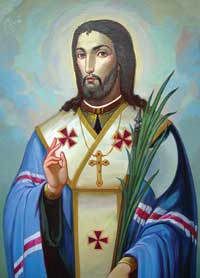
St. Josaphat is a significant figure in Christian mythology, particularly within the Eastern Catholic and Orthodox traditions. He is known as a martyr who dedicated his life to the faith and is revered for his unwavering commitment to spreading the teachings of Christ. His story is not only one of personal sacrifice but also of a profound struggle for unity among Christians. St. Josaphat’s life and legacy serve as a reminder of the power of faith and the importance of reconciliation within the Christian community.
The Life of St. Josaphat
St. Josaphat was born in the early 17th century in the region of Poland. His birth name was John Kunsevich, and he came from a noble family. From a young age, he displayed a deep interest in the Christian faith, which ultimately led him to join the monastic community of the Basilian Order. He took the name Josaphat, which means “God has judged.” This change symbolized his commitment to a life of service and spirituality. His early life was marked by a dedication to prayer and the study of scripture, laying the groundwork for his future role as a leader in the Church.
 St. John Vianney
After becoming a monk, Josaphat was appointed as the abbot of a monastery. His leadership qualities became evident as he worked to reform the monastic community, focusing on strict adherence to the monastic rules and fostering a deeper spiritual life among the monks. His dedication caught the attention of higher authorities in the Church, leading to his eventual elevation to the position of bishop of Pinsk. As a bishop, Josaphat sought to promote unity among the Orthodox and Catholic Christians in the region, a task that would prove to be both challenging and dangerous.
The Mission of Unity
St. Josaphat’s mission was primarily centered on the idea of Christian unity. During his time, the Christian community was deeply divided, with many Orthodox Christians resisting the authority of the Catholic Church. Josaphat believed that unity was essential for the strength and growth of the Church. He embarked on numerous journeys to engage in dialogue with Orthodox leaders, aiming to bridge the gap between the two factions. His approach was marked by a spirit of love and respect, as he emphasized the shared beliefs and values that united all Christians.
In his efforts to promote unity, Josaphat faced significant opposition. Many Orthodox Christians viewed his mission as a threat to their traditions and beliefs. Despite this, he remained steadfast in his conviction, often preaching about the importance of communion with the Roman Catholic Church. He emphasized that unity did not mean losing one’s identity but rather embracing a broader understanding of the Christian faith. This perspective was revolutionary at the time and highlighted Josaphat’s deep understanding of the complexities of religious identity.
 St. John The Silent
Martyrdom and Legacy
St. Josaphat’s commitment to unity ultimately led to his martyrdom. On November 12, 1623, he was brutally murdered by a group of Orthodox extremists who opposed his efforts to reconcile the two branches of Christianity. His death was a tragic event that shocked many, but it also served to highlight the depth of his conviction. Josaphat’s martyrdom is seen as a testament to his unwavering faith and dedication to the cause of Christian unity. Following his death, he was venerated as a saint, and his legacy continued to inspire many in the Church.
The impact of St. Josaphat’s life and death extended far beyond his immediate community. He became a symbol of the struggle for unity among Christians, and his story resonated with many who sought to overcome divisions within the Church. His canonization in 1700 by Pope Clement XI further solidified his status as a saint and martyr. The Catholic Church honors him on November 12, the anniversary of his death, as a reminder of the importance of unity and the sacrifices made for the faith.
St. Josaphat in Christian Tradition
St. Josaphat holds a unique place in Christian tradition, particularly within the Eastern Catholic Church. His life and martyrdom are often commemorated in liturgical celebrations, and his image is frequently depicted in religious art. He is typically portrayed wearing the vestments of a bishop, symbolizing his role as a leader in the Church. In many Eastern Christian communities, he is invoked as a patron saint of unity and reconciliation, and prayers are offered in his name for those seeking peace among divided factions.
 St. John The Baptist
Furthermore, St. Josaphat’s teachings continue to influence discussions about ecumenism—the movement aimed at promoting unity among Christian denominations. His approach to dialogue and reconciliation serves as a model for contemporary efforts to bridge gaps between different Christian traditions. Many modern Christian leaders look to his example as they work to foster understanding and cooperation among various denominations. The principles he embodied remain relevant today as Christians seek to navigate the complexities of faith in a diverse world.
Significance of St. Josaphat Today
In today’s world, the significance of St. Josaphat’s life and message is more pertinent than ever. The divisions within Christianity continue to exist, with various denominations often at odds with one another. St. Josaphat’s example encourages believers to pursue unity and understanding, reminding them of the common ground that exists among all Christians. His life serves as a call to action for those who seek to overcome differences and work towards a shared mission of love and service.
Moreover, St. Josaphat’s story highlights the importance of dialogue in addressing conflicts. His approach to engaging with opposing viewpoints with respect and compassion is a valuable lesson for Christians today. In a world that often emphasizes division and strife, his legacy inspires individuals to foster relationships built on mutual understanding and respect. The message of St. Josaphat is one of hope, urging believers to strive for peace and unity in their communities.
Commemoration and Cultural Impact
St. Josaphat’s commemoration is celebrated in various ways across different cultures. In many Eastern European countries, his feast day is marked by special liturgies and prayers. Communities gather to honor his memory, reflecting on his life and the lessons it imparts. These celebrations often include the singing of hymns and the reading of passages from scripture that highlight themes of unity and sacrifice.
In addition to religious observances, St. Josaphat’s legacy has also found expression in literature and art. Many writers and artists have drawn inspiration from his life, creating works that explore the themes of martyrdom, faith, and reconciliation. His story serves as a powerful narrative that resonates with individuals seeking to understand the complexities of religious identity and the importance of community in the Christian faith.
St. Josaphat’s Influence on Ecumenism
The legacy of St. Josaphat has had a lasting impact on the ecumenical movement within Christianity. His life serves as a reminder of the need for ongoing dialogue and cooperation among different Christian denominations. Many ecumenical organizations reference his teachings and example as they work to promote understanding and collaboration among various faith communities. His commitment to unity serves as a guiding principle for those engaged in efforts to heal divisions and build bridges between Christians.
St. Josaphat’s influence is also evident in the way contemporary Christian leaders approach discussions about faith and identity. His emphasis on respect and understanding serves as a model for how believers can engage with one another, even in the face of disagreement. This approach fosters a spirit of collaboration, encouraging Christians to work together towards common goals while honoring their diverse backgrounds and traditions.
St. Josaphat remains a powerful figure in Christian mythology, representing the enduring struggle for unity and reconciliation within the Church. His life, marked by devotion and sacrifice, serves as a testament to the importance of faith in the face of adversity. As Christians continue to navigate the complexities of their faith in a diverse world, the legacy of St. Josaphat serves as a guiding light, urging them to pursue love, understanding, and unity among all believers.