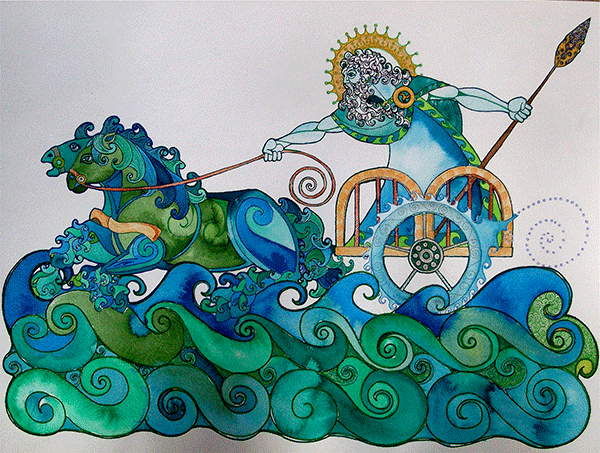
The figure of Mongán holds a significant place in Irish mythology, often characterized as a hero with extraordinary abilities and a complex lineage. His stories are woven into the rich tapestry of ancient Irish tales, which include themes of adventure, transformation, and the interplay between the mortal and the divine. Mongán’s narratives highlight not only his personal quests but also reflect the broader cultural values and beliefs of the time. Understanding Mongán involves delving into his family background, the various tales that feature him, and the symbols associated with his character.
Background and Lineage
Mongán is often described as the son of the god of poetry, which immediately sets him apart from many other heroes in Irish mythology. His father, Oengus, is known for his romantic exploits and his connections to the Otherworld. Mongán’s mother, the goddess of the river, adds another layer of depth to his character, as rivers in Irish culture often symbolize life and the flow of time. This divine heritage grants Mongán not only physical prowess but also an innate understanding of the mystical elements of the world around him.
 Milesius
The stories of Mongán frequently explore themes of identity and self-discovery. He often embarks on journeys that challenge his understanding of who he is and what it means to be a hero. This quest for identity is a common motif in many myths, where characters must confront their origins and destinies. Mongán’s lineage is essential in shaping his character, as it provides him with both the strength and the burden of expectation that comes with being a child of the gods.
Adventures and Quests
Mongán’s adventures are filled with challenges that test his courage and intellect. One of the most notable tales involves his encounter with a mystical creature, which symbolizes the unknown and the dangers that lie beyond the familiar. In this story, Mongán must navigate a treacherous landscape, using both his physical abilities and his wits to overcome the obstacles in his path. These journeys often serve as metaphors for personal growth and the struggle to achieve one’s goals.
- The Quest for Knowledge: Mongán seeks wisdom from the wise old man who resides in the mountains, representing the pursuit of enlightenment.
- Confrontation with Rivals: He faces various rivals, each representing different aspects of human nature, such as greed, jealousy, and pride.
- Encounters with the Otherworld: His journeys frequently lead him to the Otherworld, a realm where time and reality differ from the mortal world.
Throughout these adventures, Mongán encounters several key figures from Irish mythology, each contributing to his understanding of the world and his place within it. For example, his meeting with Brigid, the goddess of fertility and wisdom, provides him with insights that shape his future actions. These interactions emphasize the interconnectedness of characters in Irish mythology and how their fates are often intertwined.
 Midir
MidirTransformation and Identity
One of the most fascinating aspects of Mongán’s character is his ability to transform into different forms. This ability signifies the fluidity of identity in mythology, where characters can shift between roles and realities. Mongán’s transformations often serve a purpose, allowing him to navigate challenges more effectively or to gain new perspectives on his journey. These changes highlight the importance of adaptability in the face of adversity.
In one tale, Mongán transforms into a bird to escape danger, illustrating the theme of freedom and the desire to transcend limitations. This transformation is not just physical; it also represents a shift in his understanding of the world. By experiencing life from a different vantage point, Mongán gains valuable insights that he can apply to his human form. This motif of transformation resonates with many readers, as it reflects the universal experience of change and growth.
 Manannán Mac Lir
The Symbolism of Mongán
Mongán is rich in symbolism, embodying various aspects of Irish culture and spirituality. His connection to water, through his mother’s lineage, represents the flow of life and the idea of rebirth. Water is often seen as a purifying element, and Mongán’s association with rivers suggests a journey of purification and renewal. This symbolism is prevalent in many myths, where water serves as a boundary between the known and the unknown.
Additionally, Mongán’s role as a poet and a warrior symbolizes the duality of the human experience. He embodies the balance between intellect and strength, showing that true heroism requires both mental and physical prowess. This duality is essential in understanding the complexities of Mongán’s character and the broader themes present in Irish mythology.
Legacy and Influence
The tales of Mongán have left a lasting impact on Irish literature and culture. His stories have been retold through generations, influencing modern interpretations of mythology and heroism. Writers and poets have drawn inspiration from Mongán’s adventures, using his character as a template for exploring themes of identity, transformation, and the human condition.
Moreover, Mongán’s legacy extends beyond literature; he has become a symbol of resilience and adaptability in the face of challenges. His ability to navigate the complexities of life resonates with many, making him a timeless figure in Irish mythology. The lessons learned from Mongán’s journeys continue to inspire individuals seeking to understand their own paths in life.
Mongán in Contemporary Culture
In recent years, Mongán has seen a resurgence in interest, particularly in the realms of literature and popular culture. Modern authors and creators have reimagined his character, placing him in contemporary settings while retaining the core elements of his mythological roots. This blending of old and new allows for a fresh exploration of his themes, making them accessible to a broader audience.
- Literature: New retellings of Mongán’s tales explore his character in various genres, from fantasy to historical fiction.
- Film and Television: Adaptations of Irish mythology often include Mongán as a central figure, showcasing his adventures on screen.
- Art and Music: Artists and musicians draw upon Mongán’s stories for inspiration, creating works that celebrate his legacy.
This contemporary interest in Mongán highlights the enduring nature of myth and its ability to adapt to the changing times. As society evolves, so too do the interpretations of mythological figures like Mongán, ensuring that his story remains relevant and impactful.
Mongán stands as a vital figure in Irish mythology, representing the complexities of identity, transformation, and the hero’s journey. His adventures and the symbolism associated with him offer valuable insights into the human experience, making his tales timeless and universally relatable. As we continue to explore and reinterpret these ancient stories, Mongán’s legacy will undoubtedly endure, reminding us of the power of myth in shaping our understanding of the world.
Excellent new information of our family’s ancient patron.