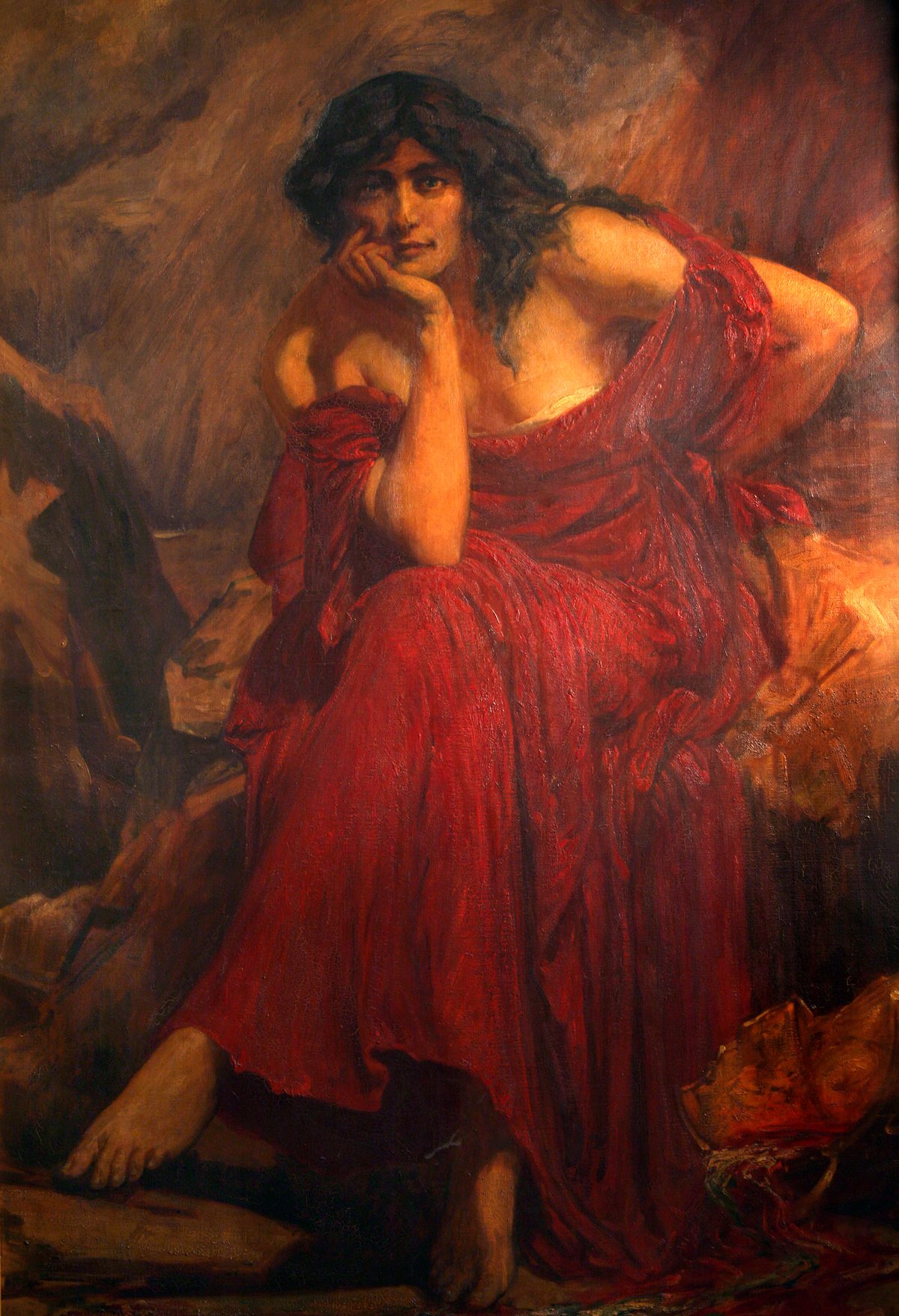
Ceridwen is a prominent figure in Welsh mythology, celebrated for her mystical attributes and complex narrative. She is often depicted as a goddess of wisdom and inspiration, embodying the themes of transformation and knowledge. Ceridwen’s story unfolds through various legends that highlight her role in the lives of mortals and her connection to the mystical world. Her character is multifaceted, representing both nurturing and vengeful qualities, making her a fascinating subject for study in the context of ancient Welsh culture.
The Legend of Ceridwen
One of the most famous tales involving Ceridwen is that of her magical cauldron. According to the legend, she possessed a cauldron that could brew a potion granting wisdom and poetic inspiration. This cauldron was a symbol of her power and her connection to the otherworld. The potion brewed in this cauldron was not meant for everyone; it was specifically intended for her son, Aneirin, who was born with a physical disability. Ceridwen sought to transform him into a great bard, capable of sharing stories and knowledge with the world.
 Caradog
To create this potion, Ceridwen needed specific ingredients and a long period of time to brew it. She enlisted the help of a young boy named Gwion Bach, who was tasked with stirring the cauldron. As the potion began to brew, it bubbled and boiled, and during the process, three drops of the potion accidentally splashed onto Gwion’s thumb. He instinctively put his thumb in his mouth, thus acquiring the wisdom and knowledge intended for Ceridwen’s son.
Transformation and Pursuit
Upon realizing what had happened, Ceridwen was furious. She had devoted herself to brewing this potion for her son, and now Gwion had stolen its power. This led to a dramatic chase between Ceridwen and Gwion, symbolizing the struggle for knowledge and the consequences of unintended actions. Ceridwen transformed herself into various forms to catch Gwion, including that of a hen and a hound, showcasing her magical abilities and determination.
 Branwen
- Hen: In this form, she sought to deceive Gwion, hoping to outsmart him.
- Hound: As a hound, she attempted to track him down more efficiently.
- Other forms: Ceridwen also transformed into a hawk and a fish in her relentless pursuit.
Despite her efforts, Gwion managed to evade her. He transformed himself into various animals as well, including a hare and a fish, using his newfound wisdom to outsmart Ceridwen. This chase represents not only the physical pursuit of knowledge but also the philosophical quest for understanding and enlightenment. Ultimately, Gwion’s ability to transform reflects the theme of metamorphosis that is central to many myths, illustrating how knowledge can change one’s identity.
The Birth of Taliesin
The story takes an unexpected turn when Gwion, after eluding Ceridwen for a considerable time, finally finds refuge. In one version of the tale, he transforms into a grain of wheat, which Ceridwen later consumes. As a result, she becomes pregnant and gives birth to a son named Taliesin, who would grow to become one of the most celebrated bards in Welsh mythology. Taliesin’s birth signifies the continuity of wisdom and the idea that knowledge can be reborn and transformed.
Taliesin, whose name means “shining brow,” is often associated with prophetic abilities and poetic talent. He is seen as a bridge between the divine and mortal realms, carrying forward the wisdom that Ceridwen intended for her son. This transformation from Gwion to Taliesin illustrates the cyclical nature of knowledge and the belief that wisdom is not confined to one individual but can be passed on and reborn through different forms.
 Bwbach
The Role of Ceridwen in Welsh Culture
Ceridwen’s influence extends beyond her individual stories; she plays a significant role in the broader context of Welsh culture and mythology. As a goddess, she represents the feminine divine and the nurturing aspect of wisdom. Her narrative embodies the themes of transformation, rebirth, and the pursuit of knowledge, which are integral to Welsh folklore.
- Symbol of Wisdom: Ceridwen is often invoked in discussions about knowledge and creativity.
- Connection to Nature: Her ability to transform reflects the deep connection between the natural world and the mystical.
- Inspiration for Artists: Many poets and artists draw inspiration from her story, using it as a metaphor for their creative journeys.
The stories of Ceridwen and Taliesin have inspired countless works of literature and art, demonstrating the enduring nature of these myths. They remind us of the power of knowledge and the importance of nurturing creativity, themes that resonate with people across cultures and generations. Ceridwen’s legacy is a testament to the belief that wisdom is a journey, not a destination, and that it can take many forms.
Ceridwen in Modern Interpretation
In contemporary times, Ceridwen has been embraced by various spiritual and artistic communities. She is often viewed as a symbol of the divine feminine and is celebrated for her role as a goddess of inspiration. Many modern practitioners of Paganism and Wicca honor Ceridwen in their rituals, invoking her for guidance and wisdom. This resurgence of interest reflects a broader trend of reconnecting with ancient myths and exploring their relevance in today’s world.
Ceridwen’s story has also been adapted into various forms of media, including literature, film, and music. Her character is often reimagined, highlighting different aspects of her personality and power. This adaptability demonstrates the timeless nature of her narrative and its ability to resonate with new audiences. Through these modern interpretations, Ceridwen continues to inspire creativity and provoke thought about the nature of wisdom and transformation.
Influence on Literature and Art
The influence of Ceridwen can be seen in numerous works of literature and art throughout history. Her story has inspired writers, poets, and artists who seek to capture the essence of her character and the themes she embodies. For example, the figure of Taliesin has appeared in various poems and stories, often symbolizing the ideal bard or artist who channels divine inspiration.
- Literary Works: Ceridwen’s tales are referenced in works by authors exploring Welsh mythology.
- Visual Arts: Artists have depicted her in various forms, illustrating her connection to nature and magic.
- Music: Composers have drawn upon her story, creating pieces that evoke the mystical qualities associated with her character.
These artistic expressions not only honor Ceridwen but also serve to keep her story alive in the collective consciousness. They remind us of the power of storytelling and the ways in which myths can transcend time and culture, inspiring new generations to explore their meanings and implications.
Ceridwen stands as a powerful symbol in Welsh mythology, representing the complexities of knowledge, transformation, and the divine feminine. Her story, rich with themes of pursuit and metamorphosis, continues to resonate with those seeking wisdom and inspiration. Through her narrative, we are reminded of the importance of nurturing creativity and the transformative power of knowledge. As we explore the depths of Ceridwen’s character, we find a source of inspiration that encourages us to embrace our own journeys of discovery and growth.