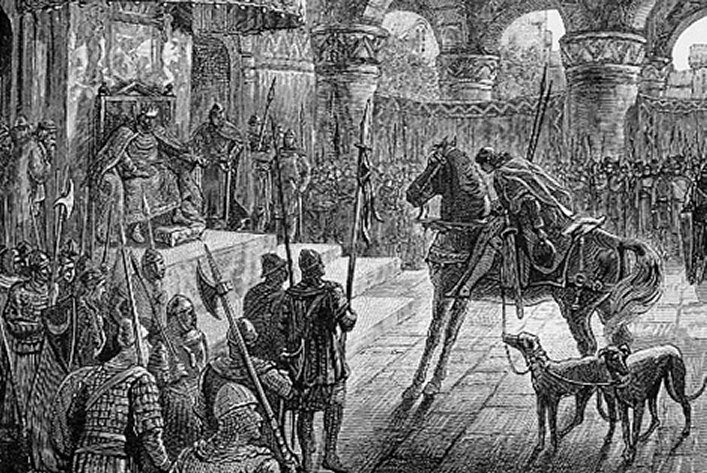
Mabon is a significant figure in Welsh mythology, representing themes of harvest, balance, and the changing seasons. Often associated with the autumn equinox, Mabon is celebrated during a time when the days grow shorter and the nights longer. This period is symbolic of the transition from light to darkness, a natural cycle that reflects many aspects of life, growth, and decay. In this article, we will explore the various aspects of Mabon, including his origins, stories, and the cultural significance surrounding this mythical character.
Origins of Mabon
The origins of Mabon can be traced back to ancient Welsh folklore and literature. He is often depicted as a youthful hero, embodying the spirit of nature and its cyclical patterns. Mabon is considered the son of the Earth Mother, which highlights his connection to the natural world. In Welsh, his name translates to “son,” indicating his role as a child of the earth and its bounty. This connection emphasizes the importance of nature in Welsh culture, as well as the reverence for the cycles of life that Mabon represents.
 Llwyd
LlwydMabon is also linked to the legend of King Arthur, where he is sometimes referred to as a member of Arthur’s court. In some tales, he is said to have been kidnapped at a young age, which sets the stage for his quest for freedom and identity. His journey mirrors the struggles of many individuals who seek to understand their place in the world, making him a relatable character in Welsh mythology. The connection between Mabon and the legendary figures of Arthurian tales enriches his narrative and situates him within a broader context of heroism and adventure.
Mabon in Literature
Mabon appears in several ancient texts, most notably in the Mabinogion, a collection of Welsh tales that date back to the 12th century. These stories not only serve as entertainment but also convey moral lessons and cultural values. In the tales, Mabon is often portrayed as a brave and noble character, embarking on quests that require both strength and wisdom. His adventures reflect the challenges faced by individuals in society, making his stories timeless and relevant.
One of the most famous tales involving Mabon is the story of his search for his lost mother. This quest is symbolic of the human experience, highlighting the themes of loss, identity, and reunion. Mabon’s journey takes him through various trials and tribulations, showcasing his resilience and determination. The narrative not only emphasizes the importance of family and connection but also illustrates the challenges that one must overcome to achieve personal growth and understanding.
 Lleu Llaw Gyffes
Symbolism of Mabon
The symbolism of Mabon is deeply intertwined with the themes of the autumn equinox and the harvest season. As the days shorten and the air turns crisp, Mabon represents the transition from the abundance of summer to the introspection of winter. This shift encourages individuals to reflect on their own lives and the fruits of their labor. The harvest is a time of gratitude, where people celebrate the bounty of the earth and acknowledge the importance of nature in sustaining life.
In many cultures, the autumn equinox is also seen as a time of balance, where day and night are equal. Mabon embodies this equilibrium, reminding us of the need to find harmony in our lives. The changing seasons serve as a metaphor for the cycles of life, urging individuals to embrace both the light and the dark. This balance is essential for personal growth, as it encourages self-reflection and the acceptance of all aspects of existence.
Mabon Celebrations
Celebrating Mabon involves various traditions and rituals that honor the changing seasons and the harvest. Many communities engage in harvest festivals, where people come together to share food, stories, and gratitude for the earth’s bounty. These gatherings often include activities such as feasting, dancing, and storytelling, creating a sense of community and connection among participants. Such celebrations foster a deeper appreciation for the natural world and its cycles, reinforcing the values that Mabon represents.
 Gwydion
One common practice during Mabon celebrations is the creation of altars adorned with seasonal items, such as fruits, nuts, and leaves. These altars serve as a reminder of the abundance provided by the earth and the importance of giving thanks. Many people also take the time to reflect on their personal achievements and set intentions for the coming months. This practice aligns with Mabon’s themes of introspection and balance, encouraging individuals to cultivate a sense of purpose and direction in their lives.
Mabon in Modern Culture
In contemporary society, Mabon continues to hold significance, particularly among those who practice paganism and Wicca. Many modern practitioners celebrate Mabon as part of their spiritual journey, incorporating rituals and traditions that honor the earth and its cycles. These celebrations often emphasize the importance of sustainability and environmental stewardship, reflecting a growing awareness of ecological issues. By connecting with Mabon’s spirit, individuals seek to cultivate a deeper relationship with nature and foster a sense of responsibility towards the planet.
Mabon has also found its way into popular culture, inspiring various forms of art, literature, and music. The themes of harvest, balance, and transformation resonate with many, making Mabon a relatable figure for people of all backgrounds. Through storytelling and creative expression, Mabon’s legacy continues to thrive, reminding us of the timeless connection between humanity and the natural world. This ongoing relevance highlights the enduring power of mythology and its ability to inspire and educate.
Lessons from Mabon
The stories and symbolism associated with Mabon offer valuable lessons that can be applied to our everyday lives. One of the primary teachings is the importance of gratitude. As we reflect on the harvest and the abundance in our lives, it becomes essential to acknowledge the contributions of others and the natural world. Practicing gratitude fosters a sense of connection and appreciation, enhancing our overall well-being and encouraging a positive outlook on life.
Another key lesson from Mabon is the significance of balance. In our fast-paced world, it can be easy to become overwhelmed by responsibilities and distractions. Mabon reminds us to seek harmony in our lives, balancing work and leisure, light and dark, and individual needs with community responsibilities. By striving for equilibrium, we can cultivate a more fulfilling and meaningful existence.
The Role of Nature in Mabon
Nature plays a central role in the celebration of Mabon, serving as a reminder of the interconnectedness of all living things. The changing seasons highlight the cycles of growth, decay, and renewal that are inherent in life. Mabon encourages us to observe and appreciate the beauty of nature, recognizing its importance in sustaining our existence. By fostering a deeper connection with the natural world, we can cultivate a sense of responsibility towards the environment and the creatures that inhabit it.
Many people choose to spend time outdoors during Mabon, engaging in activities such as hiking, foraging, or simply enjoying the beauty of the autumn landscape. These experiences allow individuals to connect with the earth and reflect on the changes taking place around them. By immersing ourselves in nature, we can gain a greater understanding of the cycles of life and the importance of nurturing our environment.
Mabon Traditions Around the World
While Mabon is primarily rooted in Welsh mythology, the themes of harvest and balance resonate across various cultures worldwide. Many societies celebrate the autumn equinox with festivals that honor the earth and its bounty. For example, in the United States, the celebration of Thanksgiving embodies similar themes of gratitude and harvest. Families come together to share meals and express appreciation for the blessings in their lives, reflecting the spirit of Mabon.
In Japan, the Moon Viewing Festival celebrates the beauty of the harvest moon and the changing seasons. Families gather to appreciate the beauty of nature and enjoy seasonal foods, emphasizing the importance of connection to the earth. Similarly, in many Indigenous cultures, autumn festivals celebrate the harvest and the significance of the natural world, reinforcing the idea that Mabon’s themes are universal.
Mabon and Personal Reflection
Mabon serves as an excellent opportunity for personal reflection and growth. As the year begins to wind down, it is a time to assess our goals and accomplishments. Individuals can take the time to evaluate what they have achieved and what they wish to focus on in the coming months. This practice of self-reflection aligns with Mabon’s themes of balance and introspection, allowing us to gain clarity on our priorities and intentions.
Many people choose to journal during this time, documenting their thoughts and feelings as they navigate the changing seasons. Writing can be a powerful tool for self-discovery, helping individuals articulate their aspirations and challenges. By reflecting on our experiences, we can gain valuable insights that guide us on our personal journeys. Mabon encourages us to embrace this process of reflection, fostering a deeper understanding of ourselves and our place in the world.
Mabon is a rich and multifaceted figure within Welsh mythology, representing the themes of harvest, balance, and the cycles of nature. His stories and symbolism resonate with individuals across cultures, reminding us of the importance of gratitude, reflection, and connection to the earth. As we celebrate Mabon, we honor not only the changing seasons but also the lessons and values that this mythical character embodies. Through understanding and embracing Mabon’s legacy, we can cultivate a deeper appreciation for the natural world and our place within it.