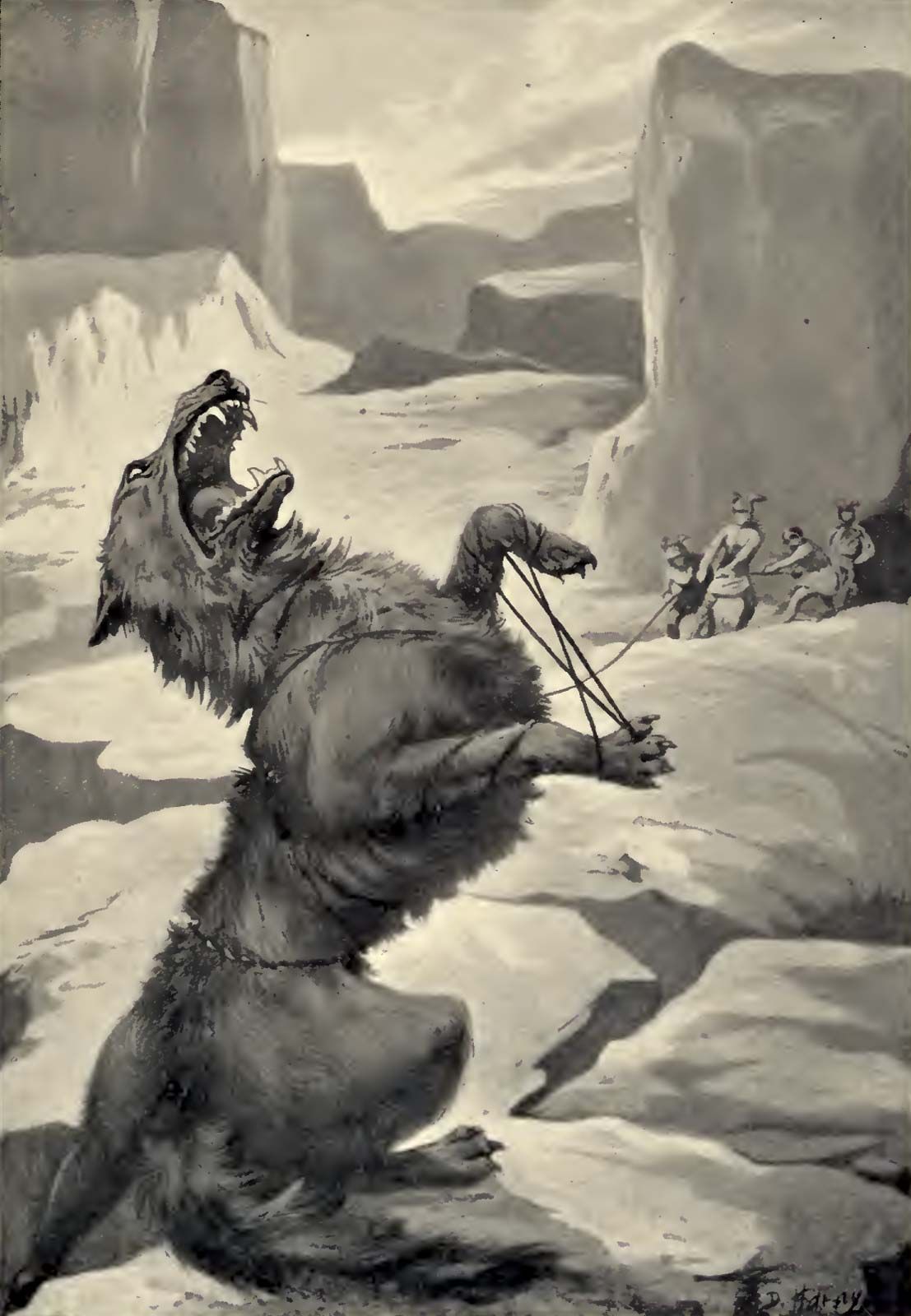
In Norse mythology, Fenrir is one of the most fascinating and feared creatures. He is often depicted as a massive wolf and is the son of the god Loki and the giantess Angerboda. Fenrir’s story is intertwined with themes of fate, power, and the eventual downfall of the gods during Ragnarok, the end of the world in Norse belief. His existence raises questions about the nature of good and evil, and how even the mightiest beings can be bound by fate.
The Origins of Fenrir
Fenrir’s origins are steeped in the complex relationships between gods and giants in Norse mythology. His father, Loki, is a trickster god known for his cunning and deceptive nature. His mother, Angerboda, is a giantess who represents the chaotic and unpredictable forces of nature. Together, they produced three monstrous offspring: Fenrir, the serpent Jörmungandr, and Hel, the goddess of the underworld. This lineage signifies a profound connection to the darker aspects of existence.
 Fafnir
From a young age, Fenrir exhibited extraordinary strength and size. The gods, recognizing his potential for destruction, became increasingly wary of him. To prevent Fenrir from causing chaos among the realms, they decided to bind him. However, this act of binding was not without its complications. The gods underestimated Fenrir’s power, which would ultimately lead to their own downfall.
The Binding of Fenrir
The gods, fearing Fenrir’s growing strength, sought a way to contain him. They first tried to bind him with chains made of iron, but Fenrir easily broke free. This failure prompted the gods to turn to the dwarves, renowned for their craftsmanship. The dwarves created a magical ribbon called Gleipnir, which was made from six impossible things: the roots of a mountain, the beard of a woman, the breath of a fish, the sound of a cat’s footfall, the spittle of a bird, and the sinews of a bear.
When the gods presented Gleipnir to Fenrir, he was suspicious. He agreed to be bound only if one of the gods placed their hand in his mouth as a pledge of trust. The brave god Tyr volunteered for this dangerous task. As Fenrir was bound by Gleipnir, he realized he had been tricked. In a furious rage, he bit off Tyr’s hand. This act symbolizes the consequences of betrayal and the high cost of trust in a world filled with deceit.
 Embla
EmblaThe Prophecy of Ragnarok
Fenrir’s role in Norse mythology extends beyond his binding. He is prophesied to play a crucial part during Ragnarok, the cataclysmic event that signifies the end of the world. According to the myth, during Ragnarok, Fenrir will break free from his bonds and join the forces of chaos. His immense size and strength will make him a formidable adversary against the gods.
During the final battle, Fenrir is destined to confront Odin, the chief of the gods. It is foretold that Fenrir will swallow Odin whole, marking a significant turning point in the battle. This act symbolizes the triumph of chaos over order and the inevitability of fate. The gods, despite their power, cannot escape their destinies, and Fenrir embodies this harsh reality.
The Symbolism of Fenrir
Fenrir is not just a character in Norse mythology; he represents deeper themes and concepts. His existence raises questions about the nature of freedom and constraint. The gods’ attempts to bind him illustrate humanity’s struggle against the forces that seek to control us. Fenrir’s ultimate rebellion against his bindings can be seen as a metaphor for the desire for autonomy and the fight against oppression.
 Elli
ElliMoreover, Fenrir’s story highlights the relationship between power and fear. The gods’ fear of Fenrir led them to take drastic measures to contain him. This fear is rooted in the understanding that true power is often accompanied by unpredictability. Fenrir embodies the chaotic forces of nature, and his unpredictable nature reflects the uncertainty of life itself.
The Legacy of Fenrir
Fenrir’s legacy extends beyond the tales of Norse mythology. He has become a symbol of rebellion and the struggle against fate in various forms of literature and popular culture. His character has inspired countless adaptations, from books and movies to video games. Each representation explores the themes of strength, chaos, and the inevitability of destiny.
In modern storytelling, Fenrir often appears as a powerful antagonist, challenging heroes and gods alike. His portrayal may vary, but the core themes of his character remain consistent. Fenrir represents the struggle between order and chaos, a conflict that resonates deeply with audiences. This enduring legacy speaks to the timeless nature of his story and its relevance in contemporary society.
Fenrir in Popular Culture
In recent years, Fenrir has gained popularity in various forms of media. Video games, such as the God of War series and Assassin’s Creed, have incorporated his character into their narratives, allowing players to engage with the rich tapestry of Norse mythology. These adaptations often focus on Fenrir’s immense power and his role in the larger cosmic struggle between gods and monsters.
Additionally, Fenrir appears in literature, with authors drawing inspiration from his story to create new tales that explore themes of destiny and rebellion. Graphic novels and comics have also featured Fenrir, showcasing his strength and complexity as a character. These adaptations often delve into his motivations and the consequences of his actions, providing a fresh perspective on his mythological roots.
Conclusion of Fenrir’s Influence
Fenrir’s influence extends beyond the realm of mythology, impacting various aspects of culture and storytelling. His character embodies the struggle between chaos and order, making him a compelling figure in narratives across different mediums. As audiences continue to explore the depths of his story, Fenrir remains a powerful symbol of rebellion, fate, and the complexities of existence.
Key Themes in Fenrir’s Story
- Fate: Fenrir’s life is a testament to the inevitability of destiny.
- Power and Fear: The gods’ fear of Fenrir leads to their downfall.
- Rebellion: Fenrir’s breaking free symbolizes the struggle against oppression.
- Chaos vs. Order: Fenrir represents the chaotic forces of nature.
Fenrir is a multifaceted character whose story reflects the complexities of existence. His role in Norse mythology and his lasting impact on modern culture underscore the enduring nature of his narrative. Through Fenrir, we explore themes that resonate deeply with our understanding of power, fear, and the struggle for autonomy in a world shaped by destiny.