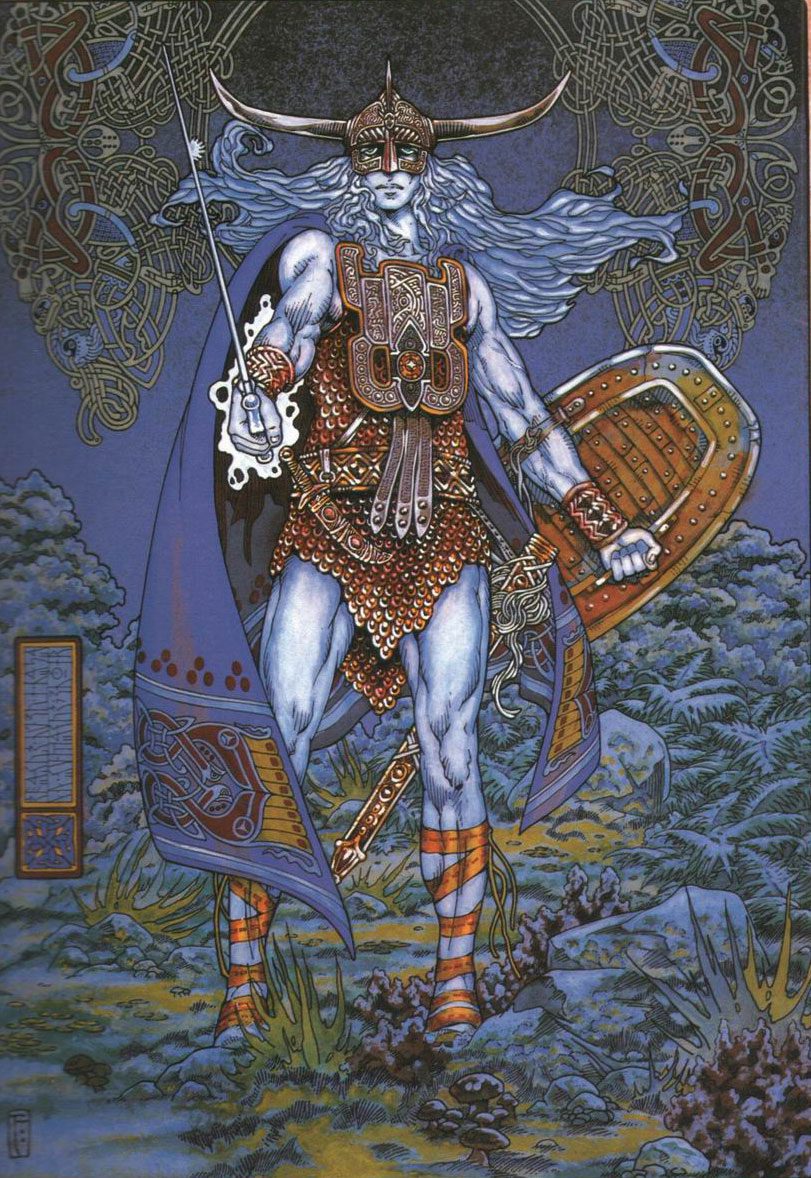
In Irish mythology, the figure of Ainge holds a significant place. Ainge is often associated with themes of love, beauty, and sometimes, tragedy. She is frequently depicted as a goddess or a fairy queen, embodying the enchanting qualities that are prevalent in many Irish tales. Ainge’s stories are interwoven with elements of nature and the supernatural, showcasing the rich tapestry of Irish folklore. The tales surrounding Ainge provide insight into the values and beliefs of ancient Irish society, particularly regarding love and the connection between humans and the otherworld.
The Origins of Ainge
The origins of Ainge can be traced back to ancient Irish myths, where she is sometimes referred to as a goddess of love. Her name is often linked with various other deities and figures within the Irish pantheon, suggesting that she may have evolved from earlier traditions. In many stories, Ainge is depicted as a beautiful maiden who captivates the hearts of mortals and immortals alike. Her enchanting presence is said to be a blessing and a curse, as those who fall in love with her often find themselves entangled in a web of destiny.
 Áine
ÁineOne of the most notable aspects of Ainge’s character is her connection to the fairy realm. In Irish mythology, the fairy world is a place of magic and mystery, often parallel to the human world but governed by different rules. Ainge is portrayed as a bridge between these two realms, highlighting the idea that love can transcend boundaries. Her stories often reflect the ancient belief that the fairy folk could interfere in human affairs, leading to both joy and sorrow.
Ainge in Irish Folktales
Ainge appears in several folktales, each showcasing different facets of her character. One popular story tells of her romance with a mortal man. The tale begins with Ainge descending from her fairy hill, drawn by the beauty of a young shepherd. Their love blooms, but it is not without challenges. Ainge’s true nature as a fairy means that she cannot remain in the mortal world for long. This story encapsulates the tragic nature of love in Irish mythology, where happiness is often fleeting and intertwined with sacrifice.
Another well-known tale involves Ainge and a powerful warrior. In this story, the warrior seeks Ainge’s hand in marriage, believing that her beauty will bring him strength and fortune. However, Ainge is not easily won. She sets forth a series of trials that the warrior must complete to prove his worthiness. This narrative emphasizes themes of courage and determination, showcasing the idea that love must be earned and is not simply given. The trials also reflect the ancient belief that love is a journey filled with obstacles that must be overcome.
 Aimend
The Symbolism of Ainge
Ainge is rich in symbolism, representing various aspects of life and nature. One of the most prominent symbols associated with her is the moon. In many cultures, the moon is a symbol of femininity, intuition, and the cycles of life. Ainge’s connection to the moon reinforces her role as a goddess of love and beauty, as well as her ethereal nature. The moon’s phases mirror the complexities of love, from the waxing of new romance to the waning of heartache.
Furthermore, Ainge is often depicted with flowers and other natural elements. Flowers, particularly those that bloom in spring, symbolize renewal and growth. In Ainge’s stories, these natural elements highlight the connection between love and nature, suggesting that love is as vital and transient as the changing seasons. This connection to the earth emphasizes the belief in the interconnectedness of all living things, a theme that runs deep in Irish mythology.
 Aillinn
Ainge and the Otherworld
The concept of the Otherworld is central to many Irish myths, and Ainge’s character embodies this theme. The Otherworld is often depicted as a magical place where time flows differently, and the dead reside. In many stories, Ainge is portrayed as a guide to this realm, helping lost souls find their way. This role underscores the idea that love can transcend even death, as Ainge’s influence continues in the lives of those who seek her.
In some tales, Ainge is said to lure mortals into the Otherworld, promising them eternal love and happiness. However, this allure often comes with a price. Those who enter the Otherworld may find it difficult to return to their previous lives, illustrating the idea that the pursuit of love can lead to unforeseen consequences. Ainge’s connection to the Otherworld serves as a reminder of the mystery of love and the unknown paths it can lead us down.
Ainge’s Legacy in Modern Culture
The legacy of Ainge extends beyond ancient myths and tales. In modern culture, her character has inspired various forms of art, literature, and music. Many contemporary writers and artists draw upon Ainge’s themes of love, beauty, and the supernatural, reinterpreting her stories for new audiences. This ongoing fascination with Ainge highlights the timelessness of her character and the universal themes she represents.
In literature, Ainge’s influence can be seen in the portrayal of fairy characters and the exploration of love’s complexities. Many authors have taken inspiration from her stories, weaving them into their narratives to explore themes of desire, loss, and the mystical qualities of love. Similarly, in music, Ainge’s character often appears in songs that celebrate love and its many forms, demonstrating her enduring appeal.
The Role of Ainge in Irish Festivals
Ainge’s presence is also felt in various Irish festivals that celebrate love and the changing seasons. Festivals often include storytelling sessions where tales of Ainge and other mythical figures are shared, keeping the tradition alive for new generations. These gatherings not only honor the rich tapestry of Irish mythology but also serve as a reminder of the importance of love in human experience.
Additionally, Ainge is sometimes invoked in rituals that seek to bless relationships or attract love. Many believe that by honoring her, they can invite her magic into their lives. This connection to modern practices illustrates how ancient myths continue to influence contemporary culture, emphasizing the timeless nature of love and the enduring impact of figures like Ainge.
Understanding Ainge through Comparative Mythology
When examining Ainge’s character, it is interesting to compare her to similar figures in other mythologies. For example, in Greek mythology, the goddess Aphrodite embodies love and beauty, much like Ainge. Both figures possess enchanting qualities that draw others to them, and their stories often involve themes of desire and the consequences of love. This comparison highlights the universal nature of these themes across cultures.
Additionally, Ainge can be likened to figures in other Celtic traditions, such as Brigid, who is associated with fertility and poetry. Both goddesses represent the intertwining of love and creativity, showcasing how love can inspire art and beauty. These comparisons enrich our understanding of Ainge and her role within the broader context of mythology.
Ainge’s Influence on Irish Identity
Ainge’s character has played a crucial role in shaping Irish identity and cultural heritage. Her stories reflect the values and beliefs of ancient Irish society, particularly the importance of love, beauty, and the connection to nature. As Ireland continues to evolve, Ainge remains a symbol of the enduring spirit of Irish folklore.
Moreover, Ainge’s narratives contribute to the rich tapestry of Irish storytelling, emphasizing the significance of oral tradition in preserving cultural heritage. As tales of Ainge are passed down through generations, they serve as a reminder of the importance of community and shared experiences in shaping identity. Ainge’s legacy lives on, inspiring both pride and a sense of belonging among the Irish people.
Exploring Ainge’s Relationships
Ainge’s relationships with other characters in Irish mythology further illuminate her character. Her interactions with mortals and deities alike reveal the complexities of love and desire. For instance, her romance with the young shepherd showcases the theme of forbidden love, where societal boundaries and expectations create obstacles. This narrative resonates with many, as it reflects the struggles faced in pursuing love in a world filled with challenges.
Additionally, Ainge’s relationships with other deities often highlight her strength and independence. In many stories, she is not merely a passive figure but an active participant in her destiny. This portrayal challenges traditional gender roles, emphasizing that women in mythology can be powerful and assertive. Ainge’s relationships serve as a testament to the multifaceted nature of love, encompassing passion, conflict, and personal growth.
Ainge in Art and Literature
The representation of Ainge in art and literature showcases her enduring appeal and the universal themes she embodies. Many artists have depicted Ainge in various forms, from paintings to sculptures, capturing her beauty and ethereal nature. These artistic interpretations often emphasize her connection to nature and the mystical qualities of love, inviting viewers to explore the deeper meanings behind her character.
In literature, Ainge’s stories have inspired countless writers, leading to the creation of new narratives that explore her character and themes. These modern retellings often incorporate contemporary issues, making Ainge relevant to today’s audiences. Through literature, Ainge continues to inspire discussions about love, identity, and the human experience, ensuring that her legacy endures.
The Future of Ainge in Irish Mythology
As society continues to evolve, the future of Ainge in Irish mythology remains bright. Her stories will likely continue to be told and retold, adapting to the changing cultural landscape. The themes of love, beauty, and the supernatural that Ainge represents are timeless, resonating with audiences across generations. This adaptability ensures that Ainge remains a vital part of Irish folklore.
Moreover, the resurgence of interest in mythology and folklore in recent years suggests that Ainge’s character may gain even more prominence in popular culture. As more people seek to connect with their roots and explore the richness of their heritage, figures like Ainge will play a crucial role in shaping cultural narratives. Her influence will continue to inspire new interpretations, ensuring that her legacy is celebrated for years to come.