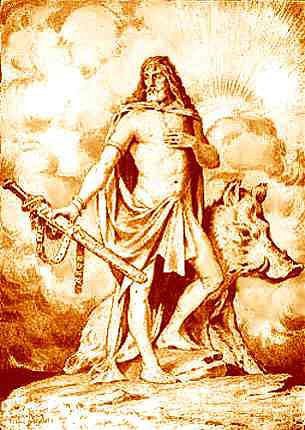
Freyr is a significant figure in Norse mythology, known for his association with fertility, prosperity, and fair weather. He is one of the principal deities of the Vanir, a group of gods associated with nature and prosperity, as opposed to the Aesir, the other main group of Norse deities. Freyr is often depicted as a handsome and benevolent god, embodying the ideals of growth and abundance. His role in the mythology highlights the importance of nature and its cycles, particularly in relation to agriculture and harvest. Freyr’s influence extends beyond mere fertility; he is also linked to peace and prosperity among the realms of the Norse gods and humans alike.
Origins and Family
Freyr is the son of Njord, the god of the sea and winds, and his sister, Freyja, who is also a prominent deity associated with love, beauty, and war. This familial connection places Freyr within the complex web of Norse divine relationships, where gods often intermarry and share roles. Freyr has a twin sister, Freyja, who is equally significant in Norse mythology. Their parentage from the Vanir signifies the blending of two powerful divine families, the Vanir and the Aesir, following the Aesir-Vanir war. This war was a pivotal moment in Norse mythology, representing the struggle between different divine forces and their eventual reconciliation.
 Forseti
Freyr’s lineage is essential in understanding his character and attributes. Being born into a family of gods who control natural elements, Freyr inherits their powers and responsibilities. Njord, his father, is particularly associated with the sea and wealth, which complements Freyr’s role in ensuring a bountiful harvest. The union of Freyr and Freyja’s divine traits symbolizes the balance between love and prosperity, making them vital figures in the Norse pantheon. Their family dynamic illustrates the interconnectedness of various aspects of life in Norse culture, where love, war, and nature coexist.
Attributes and Symbols
Freyr is often associated with several symbols that represent his powers and attributes. One of the most notable symbols is the golden boar, known as Gullinbursti. This magical creature, created by the dwarves, possesses the ability to run faster than any horse, day or night. The boar symbolizes fertility and abundance, often linked to Freyr’s role as a god of harvest. In addition, the boar is a common offering in ancient Norse rituals, emphasizing its importance in agricultural practices and the celebration of the harvest.
Another significant symbol associated with Freyr is the ship Skidbladnir, which was also crafted by dwarves. This ship is notable for its ability to be folded up and carried in a pocket, making it incredibly practical for travel. Skidbladnir represents the idea of journeying and exploration, which aligns with Freyr’s role in ensuring safe travels and prosperity for those who sail. The ship also symbolizes the connection between the realms of gods and humans, as it allows for interactions and exchanges between different worlds.
 Jörð
JörðRole in Norse Mythology
Freyr plays a crucial role in various myths and legends within the Norse tradition. One of the most famous stories involves his relationship with Gerd, a giantess. This tale highlights Freyr’s desire for love and companionship, illustrating his more human-like traits. In the myth, Freyr becomes enamored with Gerd, despite her being a giantess, and sends his servant Skirnir to negotiate their marriage. This story emphasizes the theme of love transcending boundaries, as Freyr is willing to give up his sword, a symbol of power and protection, to win Gerd’s affection. The narrative showcases Freyr’s vulnerability and desire, making him a relatable figure in the pantheon of gods.
Additionally, Freyr is associated with the sowing and harvesting of crops. His influence ensures that the land remains fertile, providing sustenance for both gods and humans. Many ancient Norse rituals involved offerings to Freyr, particularly during the planting and harvesting seasons. These rituals were aimed at invoking his blessings for a bountiful harvest, demonstrating the deep respect and reliance the Norse people had on the deities for their agricultural practices. The emphasis on Freyr’s connection to the earth and fertility underscores the significance of nature in Norse culture.
Worship and Rituals
The worship of Freyr was widespread in ancient Norse society, particularly among those involved in agriculture. Farmers and rural communities often held festivals in his honor, especially during the planting and harvest seasons. These celebrations included feasting, sacrifices, and various rituals designed to invoke Freyr’s favor for a successful growing season. One common practice was the offering of animals, particularly boars, as a sign of gratitude and respect for Freyr’s role in ensuring fertility and abundance.
 Fenrir
In addition to agricultural rituals, Freyr was also venerated in more general celebrations of prosperity and peace. His association with fair weather made him a vital figure for those whose livelihoods depended on favorable conditions. During these festivals, people would gather to share food and drink, fostering a sense of community and gratitude for the blessings bestowed by Freyr. These gatherings often included storytelling and music, celebrating the rich tapestry of Norse mythology and the vital role that Freyr played within it.
Freyr in Modern Culture
The influence of Freyr extends beyond ancient Norse mythology and into modern culture. Many contemporary pagan and heathen communities have adopted Freyr as a significant deity in their spiritual practices. His associations with nature, fertility, and prosperity resonate with those who seek to reconnect with the earth and its cycles. Modern rituals often incorporate elements from ancient practices, celebrating the changing seasons and honoring Freyr’s role in the natural world.
Moreover, Freyr has appeared in various forms of popular culture, including literature, video games, and television shows. His character is often depicted as a powerful yet benevolent figure, embodying the ideals of nature and abundance. This portrayal reflects a growing interest in Norse mythology and its rich narratives, allowing new generations to explore these ancient stories. Freyr’s presence in modern media serves as a reminder of the enduring legacy of Norse mythology and its relevance in today’s world.
Freyr remains a vital figure in Norse mythology, representing the interconnectedness of nature, fertility, and prosperity. His family ties, symbols, and role in various myths highlight the importance of these themes in ancient Norse culture. The worship of Freyr through rituals and festivals demonstrates the deep respect that the Norse people had for their deities and the natural world. In contemporary society, Freyr’s influence continues to inspire those seeking a deeper connection to nature and the cycles of life. As we explore the stories and attributes of Freyr, we gain insight into the values and beliefs that shaped the Norse worldview, reminding us of the timeless nature of these ancient narratives.