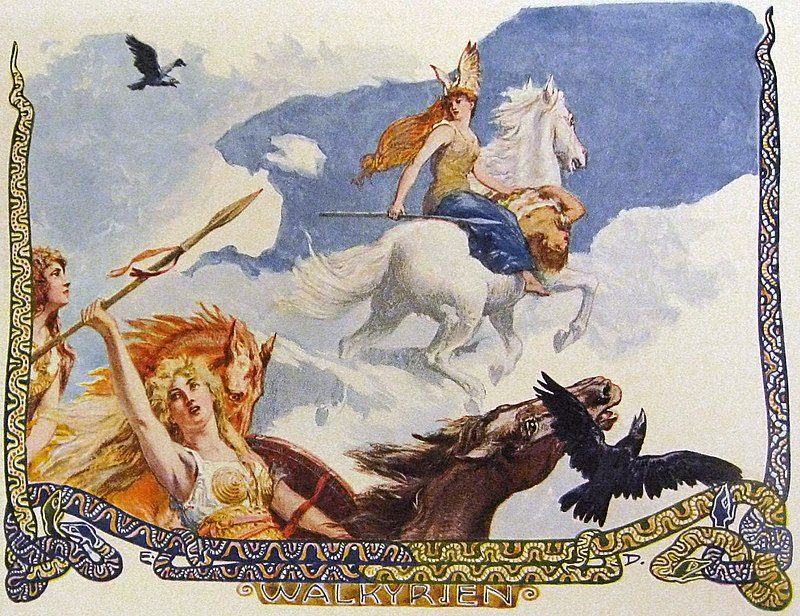
In Norse mythology, Göll is a significant figure associated with the realms of the dead and the afterlife. She is often depicted as a guardian of the realm of Hel, which is ruled by the goddess Hel, the daughter of Loki. Göll’s role is crucial in understanding the complex beliefs of the Norse people regarding life, death, and what comes after. The Norse pantheon is filled with various deities and beings, each with their unique attributes and responsibilities. Göll stands out as a representation of the transition between life and death, embodying the mysteries that surround the afterlife.
The Role of Göll in Norse Mythology
Göll’s primary function in Norse mythology is to act as a guide for souls who have departed from the living world. She is not just a mere figure but an essential part of the journey that souls undertake after death. In the Norse belief system, the afterlife is divided into several realms, with Hel being one of the most notable. Göll’s presence in Hel signifies her importance in maintaining the balance between life and death. Her role is often overshadowed by other more prominent deities, but her contributions to the afterlife narrative are invaluable.
 Glut
GlutWhen a person dies, it is believed that their soul must travel to Hel, where Göll waits to assist them in their transition. This journey is not without challenges, as the soul must navigate various obstacles and trials. Göll, with her wisdom and guidance, helps to ease this process. Her character reflects the Norse understanding of death as not merely an end but as a transformation into a different state of existence. This perspective is vital for comprehending how the Norse viewed mortality and the afterlife.
Göll and the Realm of Hel
Hel, the realm ruled by the goddess Hel, is often depicted as a cold and dark place where souls reside after death. Göll’s association with Hel emphasizes her connection to this mysterious world. Hel is not necessarily a place of punishment, but rather a domain for those who did not die in battle. This includes individuals who passed away from illness, old age, or other natural causes. Göll’s role here is significant, as she represents the acceptance of all souls, regardless of how they met their end.
 Gladsheim
The portrayal of Hel and Göll reflects the Norse belief that death is a natural part of life. Souls that enter Hel are not judged harshly; instead, they are welcomed into a new existence. Göll embodies this welcoming spirit, ensuring that each soul is treated with dignity and respect. This aspect of her character highlights the Norse understanding of death as a continuation rather than a definitive end. The journey to Hel, aided by Göll, is seen as a necessary step in the cycle of existence.
Characteristics of Göll
Göll is often depicted with certain characteristics that symbolize her role in the afterlife. She is described as a tall and imposing figure, which signifies her authority in the realm of Hel. Her appearance is often associated with the coldness of death, reflecting the environment of Hel itself. Göll’s demeanor is typically calm and collected, embodying the wisdom that comes from her extensive experience with souls transitioning to the afterlife.
In artistic representations, Göll may be shown with elements that signify her connection to the dead. For instance, she might be depicted holding a staff or a lantern, tools that represent guidance and illumination in the darkness of death. These symbols reinforce her role as a guide for souls, helping them navigate the unknown aspects of their new existence. Göll’s presence is reassuring, as she embodies the promise of safety and acceptance in the afterlife.
 Gjalp
GjalpMyths and Stories Involving Göll
Throughout Norse mythology, Göll appears in various myths and stories that illustrate her role in the afterlife. One such story involves the journey of a fallen warrior who, after dying in battle, finds himself in Hel. As he arrives, he encounters Göll, who explains the nature of his new home. This encounter highlights the importance of understanding death and the afterlife in Norse culture. Göll’s guidance helps the warrior come to terms with his fate, emphasizing the idea that death is not to be feared but embraced.
Another myth involves the goddess Hel herself, where Göll plays a supporting role. In this narrative, Hel is tasked with overseeing the souls that enter her realm. Göll assists her by managing the day-to-day affairs of Hel, ensuring that each soul is accounted for and cared for. This collaboration between Göll and Hel demonstrates the interconnectedness of their roles in the afterlife, showcasing how different figures in Norse mythology work together to maintain balance in the cosmos.
Göll’s Influence on Norse Culture
The figure of Göll has had a lasting impact on Norse culture and beliefs about death. Her representation of the afterlife has shaped how the Norse viewed mortality and the importance of honoring the dead. In many communities, rituals and practices were developed to pay respect to those who had passed away, with Göll symbolizing the safe passage to the afterlife. These practices included offerings and memorials, which were meant to honor the deceased and ensure their acceptance into Hel.
Furthermore, Göll’s influence extends beyond mythology into literature and art. Many Norse sagas and poems reference her role in the afterlife, illustrating the significance of her character in storytelling. Artists have also drawn inspiration from Göll, depicting her in various forms that capture her essence as a guardian of the dead. This cultural representation reinforces the notion that death is a communal experience, and Göll serves as a reminder of the importance of connection, even after life has ended.
Comparative Analysis with Other Mythologies
When examining Göll’s role in Norse mythology, it is interesting to compare her with similar figures in other cultures. For instance, in Greek mythology, the figure of Charon serves a comparable function. Charon is the ferryman of the dead, guiding souls across the river Styx to the underworld. Like Göll, Charon’s role emphasizes the transition between life and death, highlighting the universal theme of guidance in the afterlife.
In Egyptian mythology, the god Anubis plays a similar role, overseeing the process of mummification and guiding souls to the afterlife. Anubis is often depicted as a jackal or a man with a jackal’s head, symbolizing his connection to death and the afterlife. Both Anubis and Göll share the responsibility of ensuring that souls receive proper care and guidance, reflecting the cultural importance of honoring the dead across different civilizations.
The Legacy of Göll in Modern Culture
Göll’s legacy continues to influence modern culture, particularly in literature, film, and art. Many contemporary works draw on Norse mythology, incorporating characters like Göll to explore themes of death and the afterlife. This resurgence of interest has led to a deeper understanding of Norse beliefs and the complexities surrounding the concept of mortality. Göll’s character serves as a bridge between ancient beliefs and modern interpretations of life and death.
In literature, Göll is often portrayed as a strong and wise figure, challenging traditional notions of death as something to be feared. Authors use her character to explore themes of acceptance and transformation, allowing readers to engage with the idea of death in a more profound way. This modern portrayal of Göll highlights the ongoing relevance of her character in understanding the human experience.
Göll’s character in Norse mythology serves as a crucial representation of the afterlife and the transition between life and death. Her role as a guide for souls entering Hel underscores the importance of understanding and accepting mortality. Through her characteristics, myths, and influence on culture, Göll embodies the complexities of life, death, and the afterlife, providing a rich tapestry of meaning that continues to resonate in contemporary society.