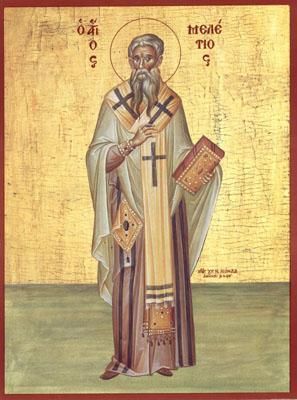
St. Meletius of Antioch is a significant figure in Christian history, especially noted for his role during a tumultuous period of ecclesiastical politics and theological disputes in the early Church. He served as the bishop of Antioch during the fourth century and is often remembered for his efforts to maintain unity within the Christian community amidst various heresies. His leadership and theological insights have left a lasting impact on the development of Christian doctrine, particularly in the context of the Arian controversy. His life and contributions are essential for understanding the complexities of early Christian leadership and the struggle for orthodoxy.
Early Life of St. Meletius
St. Meletius was born around the year 310 in the region of modern-day Turkey. His early life remains somewhat obscure, but it is believed that he received a comprehensive education in both religious and secular studies. This education equipped him with the knowledge and skills necessary to navigate the complex theological debates of his time. As he grew older, he became increasingly involved in the Christian community, eventually leading to his appointment as the bishop of Sebaste. His early experiences played a crucial role in shaping his theological perspectives and his commitment to the Church.
 St. Melania The Younger
During his tenure as bishop, Meletius was known for his piety and dedication to the teachings of Christ. He was deeply influenced by the works of earlier Church Fathers and sought to promote a clear understanding of Christian doctrine among his followers. This period of his life was marked by a commitment to teaching and guiding the faithful, which would later become a hallmark of his leadership in Antioch. His early experiences laid the groundwork for his future challenges and triumphs as a bishop.
Appointment as Bishop of Antioch
Meletius was appointed as the bishop of Antioch around the year 360. This appointment came during a time of significant turmoil within the Church, as the Arian controversy was at its peak. Arianism, a theological belief that denied the full divinity of Jesus Christ, had gained considerable traction, leading to divisions within the Christian community. Meletius was thrust into a leadership position where he had to address these contentious issues while maintaining the unity of his diocese.
As bishop, Meletius faced immediate challenges from both Arian and non-Arian factions. His commitment to the Nicene Creed, which affirmed the divinity of Christ, positioned him against the Arian supporters. Despite the pressures from various groups, he remained steadfast in his beliefs, promoting orthodox teachings and emphasizing the importance of unity among Christians. His leadership style was characterized by patience and a willingness to engage in dialogue, which helped to mitigate some of the tensions within the community.
 St. Medard
Theological Contributions
St. Meletius is often remembered for his theological contributions to the early Church, particularly in relation to the Nicene Creed. He was a staunch defender of the belief in the consubstantiality of the Son with the Father, which was a central tenet of the Nicene faith. His sermons and writings emphasized the importance of understanding the nature of Christ as both fully divine and fully human. This theological stance was crucial in countering the Arian claims that sought to diminish the divinity of Christ.
In addition to his defense of orthodox theology, Meletius was also known for his pastoral care. He believed that theological debates should not overshadow the essential teachings of love, compassion, and community. His approach to theology was deeply rooted in the belief that understanding God’s nature should lead to a more profound love for one another. This perspective helped him to foster a sense of community among his followers, even amidst the theological divisions that plagued the Church.
 St. Medana
Political Challenges and Exile
The political landscape during Meletius’s time as bishop was fraught with challenges. The Church was not only battling theological disputes but was also entangled in the political machinations of the Roman Empire. The Emperor Constantius II, who supported Arianism, exerted considerable influence over the Church’s leadership. As a result, Meletius faced pressure from both imperial authorities and rival bishops who sought to undermine his authority.
In 361, Meletius was exiled due to his refusal to compromise on his theological beliefs. This period of exile was difficult for him, but it also allowed him to reflect on his mission and the importance of standing firm in the face of adversity. During his time away from Antioch, he continued to write and communicate with his followers, providing them with guidance and support. His exile highlighted the tension between political power and spiritual authority, a theme that would continue to resonate throughout Church history.
Return and Later Years
St. Meletius was eventually allowed to return to Antioch after the death of Constantius II in 361. His return was met with joy by his followers, who had remained loyal to his teachings during his absence. Upon his return, he sought to heal the divisions that had deepened during his exile. He worked tirelessly to promote reconciliation among the various factions within the Church, emphasizing the need for unity in Christ.
During his later years, Meletius continued to serve as a bishop and mentor to younger clergy. He was known for his wisdom and pastoral care, guiding many in their spiritual journeys. His teachings and sermons focused on the importance of love, humility, and the pursuit of holiness. Meletius’s influence extended beyond Antioch, as he became a respected figure among other bishops and church leaders in the region.
Legacy of St. Meletius
The legacy of St. Meletius of Antioch is profound and far-reaching. His unwavering commitment to orthodox Christianity and his efforts to maintain unity within the Church during a time of great division have earned him a respected place in Christian history. Many later theologians and church leaders have drawn inspiration from his life and teachings, emphasizing the importance of fidelity to the faith amidst external pressures.
In the Orthodox Church, St. Meletius is celebrated as a saint, and his feast day is observed on January 12. His contributions to the development of Christian doctrine and his role as a peacemaker continue to be remembered and honored. The Church recognizes his dedication to promoting the true teachings of Christ and his ability to navigate the complexities of ecclesiastical politics with grace and wisdom.
St. Meletius in Christian Art
Throughout history, St. Meletius has been depicted in various forms of Christian art, which serve to commemorate his contributions to the Church. These artistic representations often highlight his role as a bishop, symbolizing his authority and commitment to the faith. Iconography typically portrays him wearing the traditional vestments of a bishop, often holding a cross or a scroll that signifies his teachings and theological insights.
In addition to traditional depictions, St. Meletius is often included in larger compositions that depict the assembly of saints or significant events in Church history. These artworks serve not only as a visual representation of his legacy but also as a reminder of the ongoing struggle for orthodoxy and unity within the Christian community. Through these artistic expressions, the life and teachings of St. Meletius continue to inspire believers and serve as a source of reflection on the nature of faith and leadership.
Modern Relevance of St. Meletius
The life and teachings of St. Meletius of Antioch remain relevant in today’s world, where divisions and conflicts continue to challenge the Christian community. His example of steadfastness in faith and commitment to unity serves as a guiding principle for contemporary Christians. In a time when theological disagreements can lead to disunity, the call to embrace love and understanding, as exemplified by Meletius, is more important than ever.
Moreover, St. Meletius’s emphasis on pastoral care and the importance of community resonates deeply with modern believers. His belief that theology should lead to a greater love for one another challenges Christians to engage in meaningful relationships and foster unity within their congregations. As the Church continues to navigate complex issues, the legacy of St. Meletius provides valuable insights into the balance between truth and love, encouraging believers to remain faithful while promoting harmony.
Conclusion of St. Meletius’s Journey
St. Meletius of Antioch’s journey through the challenges of his time offers a profound lesson on the importance of faithfulness, unity, and pastoral care. His life serves as a testament to the enduring struggle for orthodoxy within the Christian tradition. By examining his contributions and the impact he had on the Church, we can better appreciate the complexities of early Christianity and the foundational role that figures like Meletius played in shaping the faith we know today.
As we reflect on the life of St. Meletius, we are reminded of the importance of standing firm in our beliefs while also fostering love and understanding among our fellow believers. His legacy encourages us to engage thoughtfully with the theological and social challenges of our time, drawing inspiration from his example of courage and compassion. In doing so, we honor the memory of this great bishop and continue the work of building a unified and loving Christian community.