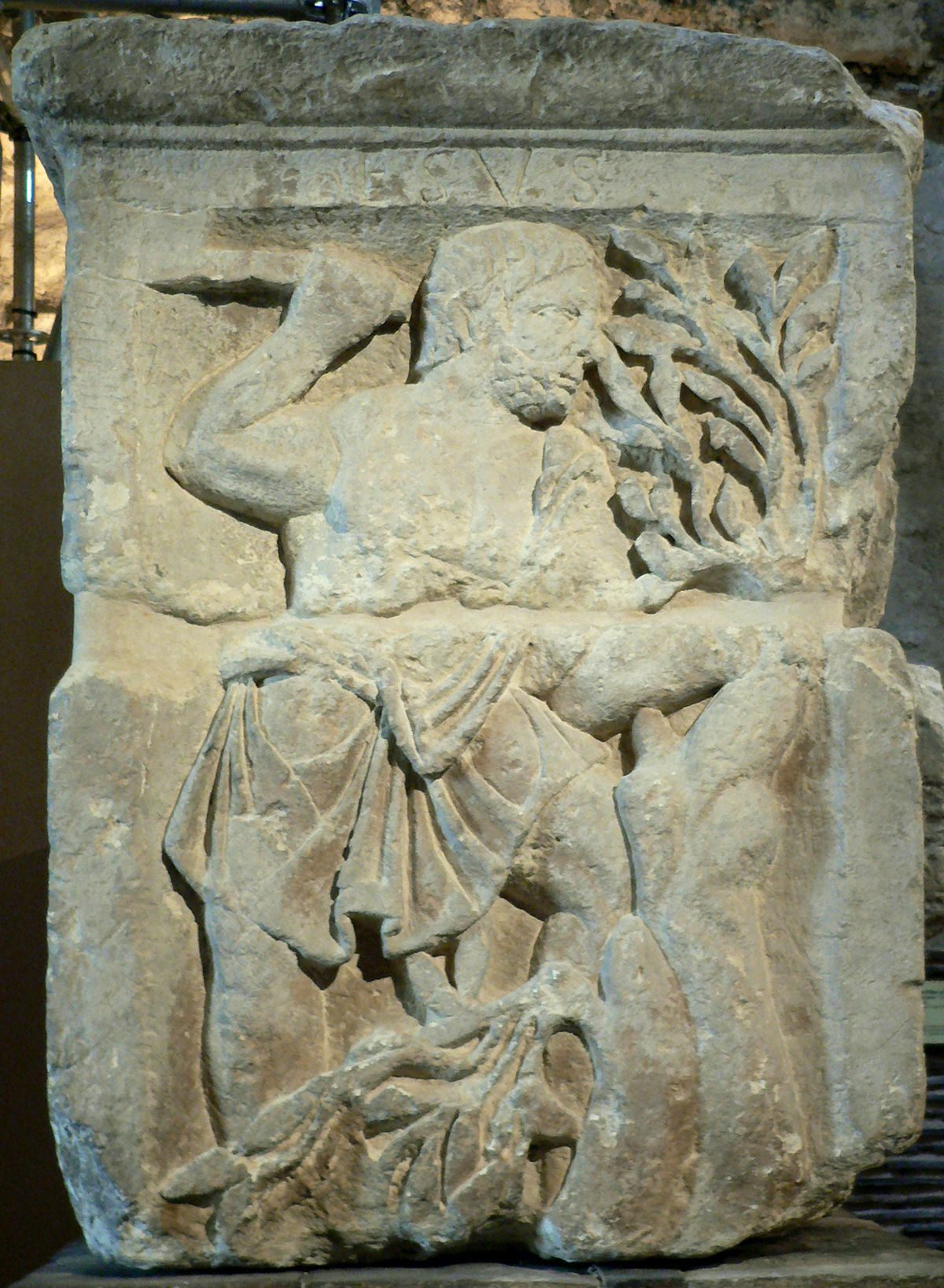
The term Esus refers to a significant deity in Gaulish mythology. He is often associated with the themes of agriculture, forestry, and the underworld. The Gauls, who inhabited what is now modern-day France, Belgium, and parts of Switzerland, worshipped a multitude of gods and goddesses, and Esus was one of the prominent figures among them. His attributes and the rituals dedicated to him provide valuable insight into the religious practices and beliefs of the ancient Gauls. Understanding Esus helps us appreciate the complexities of their spiritual world.

Origins and Etymology of Esus
The name Esus has uncertain origins, but it is thought to derive from a root that may mean “to be” or “to exist”. This connection to existence is intriguing, as it aligns with his role as a god of life and death. Esus is often depicted as a figure who embodies the cycle of nature, representing both the fertility of the earth and the inevitability of death. His name is mentioned in several ancient inscriptions, indicating his significance in the Gaulish pantheon.
Moreover, the etymological roots of Esus have led to various interpretations among scholars. Some suggest that he might be related to the Celtic word for oak, highlighting his connection to nature and trees. The oak tree was sacred to the Celts and often represented strength and endurance. This association further cements Esus’s role as a guardian of the natural world and its cycles.
Iconography and Depictions
In terms of iconography, Esus is often depicted in ancient art and carvings. He is frequently shown wielding an axe, which symbolizes his power over the forest and agriculture. The axe represents not only the act of cutting down trees but also the transformative power of nature. This duality of creation and destruction is a central theme in many mythologies, and Esus embodies this concept effectively.
 Sirona
Another common representation of Esus includes images of him hanging from a tree or being associated with a sacrificial figure. This imagery connects him to the themes of sacrifice and rebirth, reflecting the importance of death in the cycle of life. Such depictions were significant in ancient Gaulish rituals, where offerings were made to deities to ensure a good harvest or to appease the spirits of the land.
Esus and Nature
Esus is deeply intertwined with the natural world, particularly with forests and agricultural practices. The Gauls viewed him as a protector of the woods, which were vital for their survival. Trees were not only sources of wood and food but also held spiritual significance. The Gauls believed that spirits resided in the forests, and they sought Esus’s guidance and protection when venturing into these sacred spaces.
Furthermore, the connection between Esus and agriculture is vital. As a deity associated with farming, he was invoked during planting and harvesting seasons. Farmers would offer prayers and sacrifices to Esus, hoping for bountiful crops. This relationship illustrates the Gauls’ dependence on nature and their recognition of the divine forces that governed it. The worship of Esus highlights the ancient belief that successful harvests were a result of favor from the gods.
 Damona
Esus in Historical Texts
Historical texts and accounts provide valuable information about Esus and his worship. The Roman historian Julius Caesar mentioned the Gauls’ religious practices in his work “Commentarii de Bello Gallico”. Although his descriptions are often colored by his perspective as a conqueror, they offer insights into how the Gauls viewed their gods. Esus is noted for being one of the deities they revered, and his rituals were significant in their spiritual lives.
Additionally, inscriptions dedicated to Esus have been found throughout Gaul, indicating that he was worshipped in various regions. These inscriptions often detail offerings made to him and the prayers of his followers. Such texts are crucial for understanding the role of Esus in Gaulish society and how the people engaged with their religious beliefs.
Rituals and Offerings to Esus
Worship of Esus involved various rituals and offerings aimed at appeasing him and seeking his favor. One common practice was the sacrifice of animals, particularly cattle and pigs. These sacrifices were believed to ensure a good harvest and protect the community from misfortune. The act of sacrifice was a profound ritual that connected the physical world with the spiritual, demonstrating the Gauls’ commitment to their gods.
In addition to animal sacrifices, offerings of grain and fruits were also made. These offerings symbolized gratitude for the bounty of the earth and were an essential part of the agricultural cycle. Festivals dedicated to Esus would often include communal feasting, where people would come together to celebrate the blessings of the land and honor their deity.
Esus and Other Deities
In Gaulish mythology, Esus is often considered alongside other important deities, creating a complex pantheon. He shares similarities with gods from other Celtic traditions, such as Cernunnos, the horned god associated with nature and fertility. Both deities emphasize the importance of the natural world and its cycles, reflecting a shared cultural heritage among the Celts.
Additionally, Esus is sometimes associated with the goddess Brigid, who represents healing, fertility, and poetry. The connection between Esus and Brigid highlights the duality of life and death, creation and destruction, which are central themes in many mythologies. Together, these deities encapsulate the Gauls’ reverence for nature and the interconnectedness of all living things.
Modern Interpretations of Esus
In contemporary times, the figure of Esus has been revisited by various groups interested in paganism and Celtic spirituality. Many modern practitioners seek to reconnect with ancient traditions and incorporate the worship of Esus into their spiritual practices. This revival reflects a growing interest in understanding and honoring the beliefs of ancient cultures.
Moreover, Esus has appeared in popular culture, often depicted in literature, art, and film. These representations, while sometimes fictionalized, serve to highlight the enduring legacy of Gaulish mythology and the fascination with ancient gods. By exploring Esus’s character, modern audiences can gain insights into the values and beliefs of the Gauls, fostering a deeper appreciation for their cultural heritage.
The Influence of Roman Conquest
The Roman conquest of Gaul in the first century BCE significantly impacted the worship of Esus and other deities. As the Romans established their rule, they sought to integrate local gods into their pantheon, often equating them with their own deities. Esus was sometimes identified with Mercury, the Roman god of commerce and communication. This syncretism reflects the complex interactions between the two cultures and the adaptability of the Gaulish religious system.
However, the Roman influence also led to a decline in traditional practices. As Christianity spread across Europe, many ancient beliefs, including those surrounding Esus, were gradually marginalized. The transformation of religious practices illustrates the dynamic nature of spirituality and how cultures evolve over time. Despite this decline, the legacy of Esus and the Gaulish pantheon continues to resonate in modern interpretations of Celtic spirituality.
Conclusion: The Enduring Legacy of Esus
The figure of Esus remains a fascinating aspect of Gaulish mythology. His connections to nature, agriculture, and the cycles of life and death highlight the deep spiritual beliefs of the ancient Gauls. The rituals and offerings dedicated to him demonstrate the importance of appeasing the gods to ensure a prosperous existence. As modern interest in ancient traditions continues to grow, Esus serves as a reminder of the rich tapestry of beliefs that shaped the lives of the Gauls and their relationship with the natural world.